13th Century BC: Abu Simbel's Monumental Divine Calling
"A single sunrise once illuminated the faces of gods, and even thousands of years later, the stone still seems to breathe with the weight of an empire."
The Abu Simbel temples stand as a defiant shout against time, carved not just into rock, but into the very soul of history.
To stand before these colossi is to realize that for the pharaohs, architecture was not merely about shelter or beauty, but about an eternal conversation between humanity and the divine.
Key Takeaways * The temples were commissioned by Ramesses II in the 13th century BC to manifest his divine authority. * The site consists of two massive temples carved directly out of a mountainside. * A monumental modern engineering project relocated the temples to save them from rising waters.
* Located near the Egypt–Sudan border, the site serves as a powerful frontier of ancient legacy.
Why Was Abu Simbel Built? (The Religious Mandate)
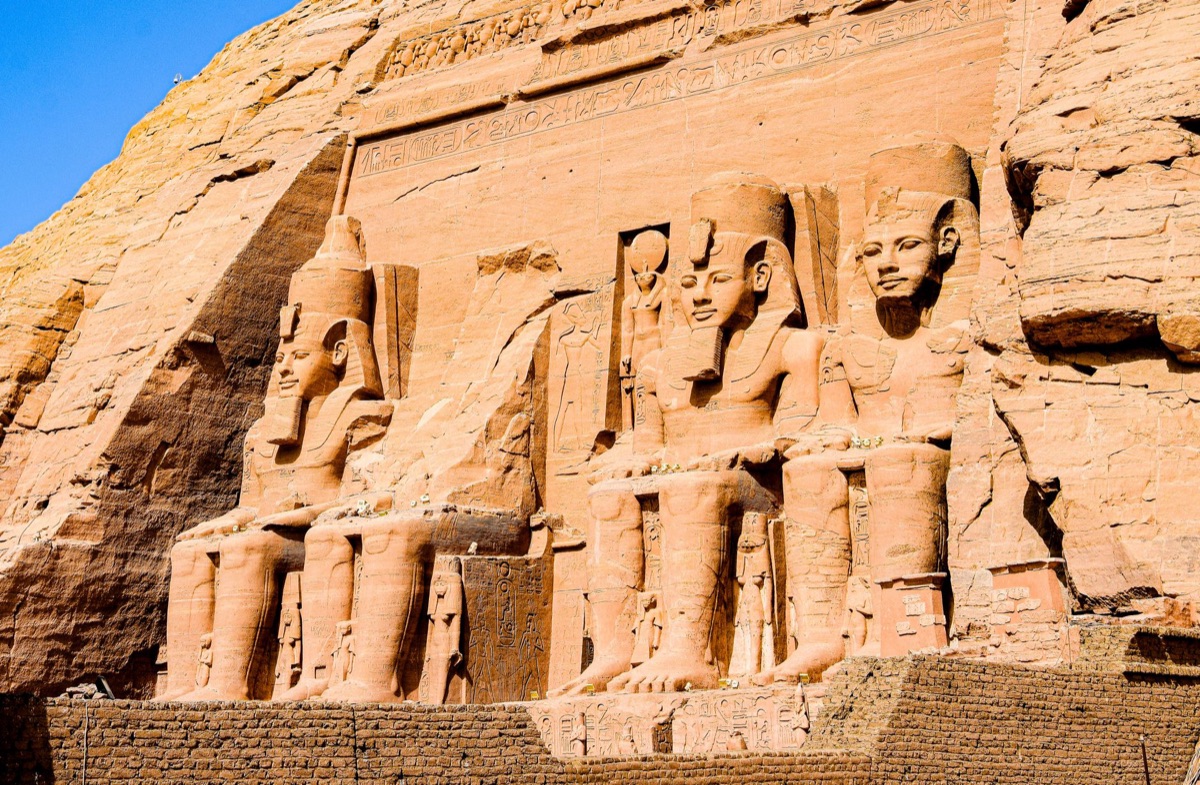
The desert heat shimmered against the golden stone as the first light of dawn hit the colossal statues, making it feel as if the gods themselves were waking.
I remember standing in that exact spot in early 2025, watching the orange light crawl up the face of the seated Ramesses, feeling the sheer gravity of the stone.
In the 13th century BC, during the reign of Pharaoh Ramesses II, this specific corner of the world was transformed into a theater of divine power. The temples were not merely buildings; they were a tangible manifestation of the pharaoh's connection to the sun and the gods.
By carving these massive figures directly into the living rock, Ramesses II ensured that his legacy was inseparable from the earth itself.
The scale was intentional, designed to overwhelm the viewer and reinforce the pharaoh's status as a living god. Every chisel stroke served a purpose in the New Kingdom's religious landscape.
The site was built to honor both the gods and the pharaoh's own deified persona, ensuring that his name would be spoken as long as the sun rose in the east. This was an act of immortality written in stone.
But while the purpose was divine, the physical reality of the construction posed a terrifying challenge.
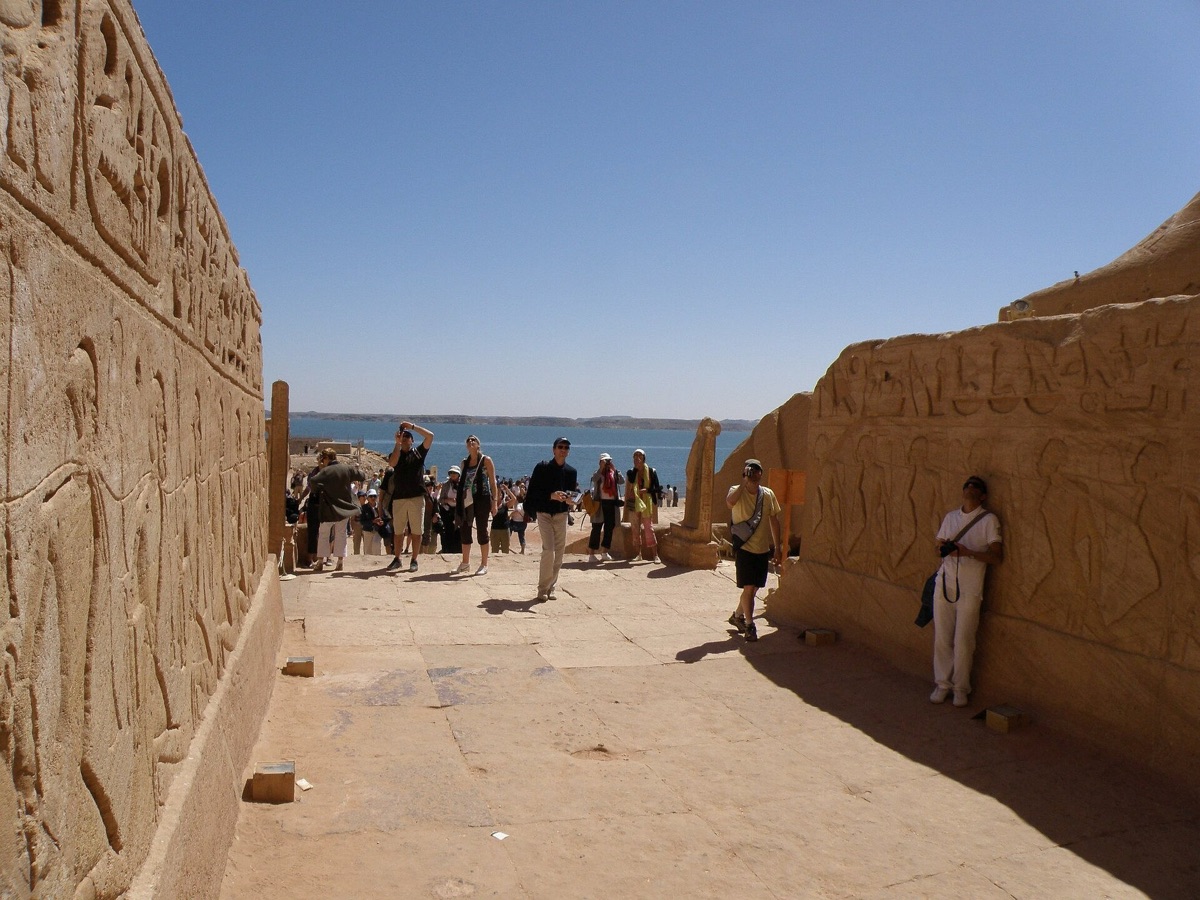
How majestic is the scale and design? A traveler standing at the base of the Great Temple looks up, neck straining, as four seated figures of the pharaoh tower over the landscape. The sheer verticality of the site is enough to make one feel insignificant in the face of such ancient ambition.
Located approximately 850 km south of Cairo, near the Egypt–Sudan border, the site is an archaeological marvel. Unlike the temples of Giza or Luxor that stand as free-standing structures, Abu Simbel consists of two massive rock temples originally carved out of a mountainside.
This required an incredible understanding of geology and precision engineering.
The engineering feat of carving such vast structures directly into the bedrock is almost unfathomable. The architects had to account for the weight of the mountain above them while ensuring the interior chambers remained stable. It was a delicate balance of brute force and mathematical precision.
| Feature | Description |
|---|---|
| Primary Material | Natural sandstone mountainside |
| Primary Figure | Ramesses II |
| Construction Era | 13th Century BC |
| Primary Function | Religious worship and royal glorification |
However, the very permanence they sought to achieve almost led to their total destruction.
How was the relocation project a miracle? The sound of heavy machinery once replaced the silence of the desert as engineers worked to move mountains to save history. In the mid-20th century, the rising waters of the Nile—specifically the creation of Lake Nasser—threatened to swallow these treasures forever.
The necessity of the move was absolute. As the dam construction caused water levels to rise, the temples faced total inundation. This triggered one of the most significant archaeological rescue missions in human history.
Engineers had to carefully cut the temples into massive blocks and move them to higher ground.
The successful preservation of these structures through modern intervention is a miracle of the 20th century. By raising and moving the colossal statues and the temple shells, experts managed to recreate the original orientation.
It was a monumental undertaking that required global cooperation to save an irreplaceable piece of human heritage.
But how exactly did they manage to move something so heavy without losing its soul?
How Was the Miracle Accomplished?
A group of engineers in 1964 sat around a blueprint, coffee steaming in the desert air, mapping out how to slice a mountain into pieces. The sheer logistical nightmare of moving thousands of tons of stone was enough to make anyone doubt the possibility of success.
To replicate the original solar alignment, the team followed a rigorous technical process:
- Engineers surveyed the exact angle of the sun's path to ensure the interior sanctuary would still be illuminated.
- The temples were cut into blocks ranging from 20 to 30 tons each using precision saws.
- A new artificial mountain was constructed out of concrete and stone to house the relocated statues.
- The blocks were lifted using heavy-duty cranes and placed in a position that mirrored the original site.
- The entire complex was raised 65 meters above the original level to avoid the rising waters of Lake Nasser.
This process was not just about moving stone; it was about moving light.
Contextualizing the Site: Where Does Abu Simbel Fit in Ancient Egypt?
A long, dusty journey through the vastness of the Egyptian landscape connects the bustling streets of Cairo to this remote frontier. Travelers often move from the northern centers of power toward the southern reaches to witness this specific gravity of history.
According to World Bank data, Egypt recorded international tourist arrivals of 13,026,000 in 2019. To understand Abu Simbel, one must look at its placement relative to other major centers.
While Giza is located 20 km southwest of Cairo and Luxor is about 500 km south of Cairo, Abu Simbel sits much further south, near the border of Sudan.
This placement was strategic, marking the southern frontier of the pharaoh's influence. The scale of the site reflects the broader religious landscape of the New Kingdom.
While the temples in Thebes (modern-day Luxor) served as the heart of religious life, Abu Simbel served as a monumental guardian of the south. It demonstrates that even at the edges of the empire, the pharaoh's reach was absolute.
Yet, even with this strategic placement, there are limits to how much history one can absorb in a single visit.
Beyond the Stones: The Enduring Legacy
As the sun sets over the Nubian desert, the shadows of the colossi stretch long across the sand, reminding us that some things are built to outlast empires. The site remains a pilgrimage site for those seeking to touch the pulse of antiquity.
The temples stand as a testament to the engineering prowess of ancient Egyptian civilization. They prove that even without modern computers, the ability to manipulate stone and light was mastered to a degree that still baffos modern architects.
Today, the site is not just a relic of the past but a living part of Egypt's identity.
It is important to note that while the relocation was a success, it was not a perfect replacement. The original context of the temples—their placement in the natural landscape—was lost in the move.
The modern site is a reconstruction, a beautiful but artificial shadow of the original geological integration.
It remains a zenith of human achievement, inviting every visitor to answer the call of the colossal gods.



Comments 0