Egyptian Museum Cairo: Witness the Boy King's Golden Legacy
"Behind the golden mask lies the hauntingly brief life of a boy king."
The discovery of Tutankhamun’s tomb remains the crowning achievement of Egyptian archaeology because it was one of the few royal burial sites found largely intact. While most pharaohs' tombs were emptied by looters centuries ago, this find offered a pristine look at ancient luxury.
Key Takeaways * The gold mask is the centerpiece of the Egyptian Museum in Cairo. * Tutankhamun’s tomb was unique because it remained sealed and mostly unlooted. * Visiting during early morning or late afternoon helps avoid the heaviest crowds.
* Understanding the religious context of the artifacts adds depth to the viewing experience.
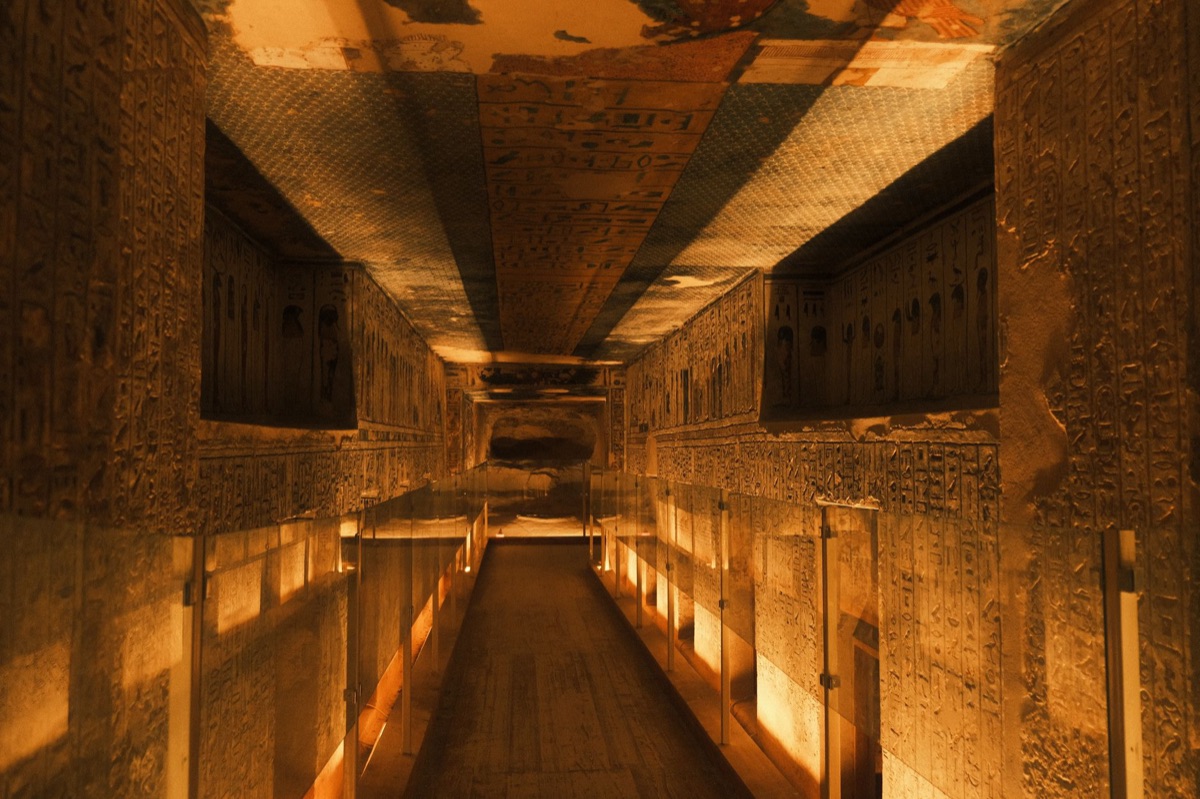
Why does the Boy King fascinate the world?
The cool air of the museum hits your face as you step into the gallery, but the sudden hush of the crowd is what really catches your attention. People stand frozen before the golden mask, their eyes tracing the sharp, regal lines of the young king's face.
It is a moment where the weight of 3,300 years feels physically heavy.
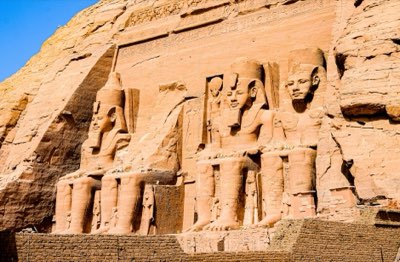
While many travelers flock to Egypt to stand in the shadow of the Great Pyramids or marvel at the sheer scale of Ramses II, the most profound connection often happens in front of this teenage king.
His story is not one of conquest or massive monuments, but of a life cut short and a sudden, spectacular discovery.
The fascination stems from the sheer luck of the find. Most royal tombs throughoutly throughout history were stripped of their treasures long before modern archaeologists arrived. However, Tutankhamun’s burial chamber was tucked away, preserved like a time capsule.
This preservation allowed the world to see the true wealth and artistry of the 18th Dynasty.
According to World Bank data, Egypt recorded international tourist arrivals of 13,026,000 in 2019. This massive influx of travelers often includes people seeking exactly this kind of connection—a tangible link to a vanished world.
| Feature | Description | Historical Significance |
|---|---|---|
| Discovery Year | 1922 by Howard Carter | A turning point for modern archaeology |
| Preservation | Nearly intact and unlooted | Provides rare evidence of burial customs |
| Primary Artifacts | Gold mask, sarcophagi, furniture | Represents the peak of 18th Dynasty art |
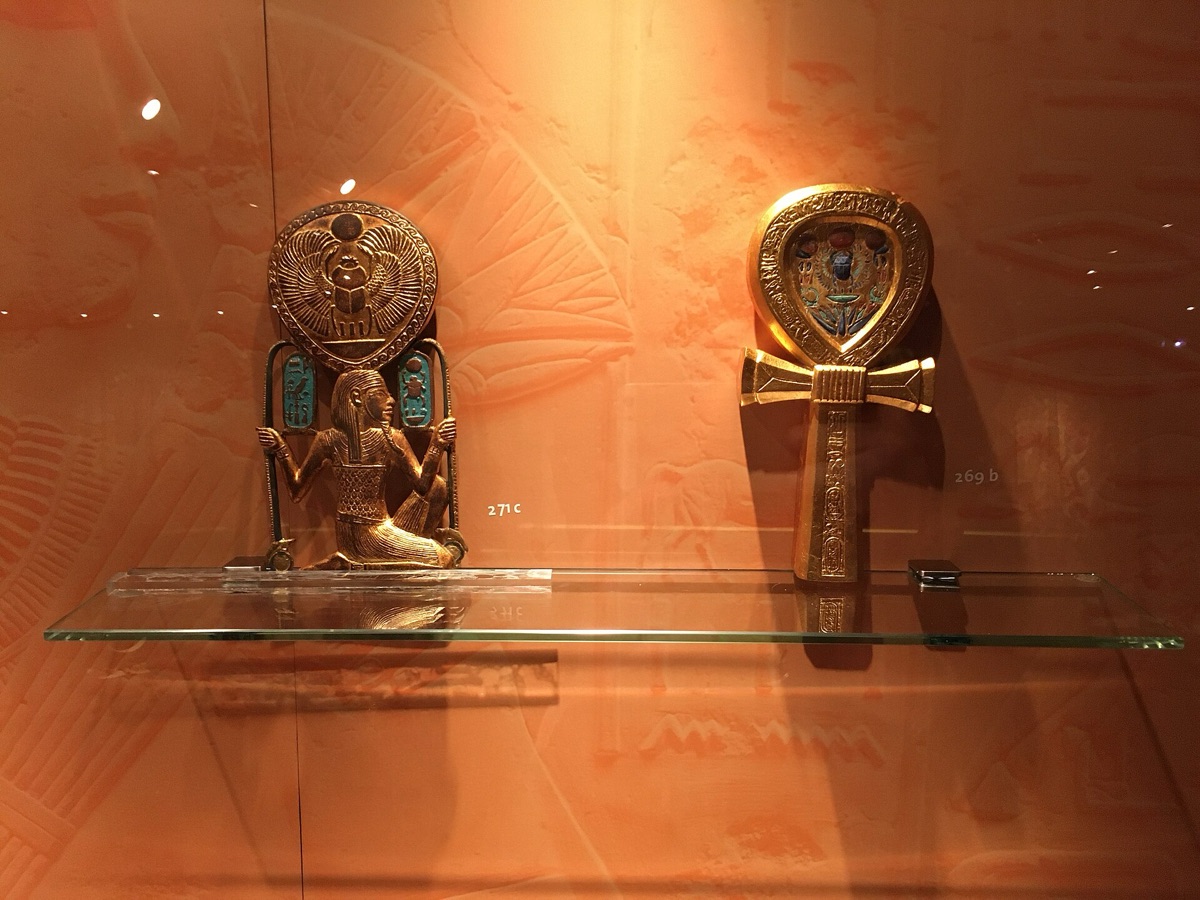
How was the tomb found and why does it matter?
Imagine the tension of a dark, narrow tunnel as an explorer holds a flickering light against a sealed door. In 1922, when Howard Carter finally breached the entrance to Tutankhamun's burial chamber, he didn't find an empty room, but a dazzling display of gold that had not seen the sun for millennia.
The historical value of the tomb goes far beyond the sheer volume of gold. While the wealth is staggering, the true treasure lies in the context. The burial items provide a window into the religious rituals, social hierarchies, and daily lives of the ancient Egyptians.
Because the tomb was relatively small compared to the massive monuments of earlier pharaohs, it offers a more intimate look at royal life. The artifacts are not just displays of wealth; they are tools for the afterlife.
Every piece was designed to ensure the king's transition to the next world was successful.
What secrets are hidden within the artifacts?
Walking down a steep, narrow staircase into the heart of a burial site, the atmosphere changes; the air feels thicker, and the silence is profound. In the dim light of a tomb, the glint of gold against the dark stone creates an almost supernatural atmosphere.
The structure of the burial was designed to serve both as a final resting place and a house for the king's spirit. The rooms were organized logically, filled with items intended to accompany the king into eternity.
The gold mask is the most iconic piece, meticulously crafted to represent the king's face. It serves as a physical vessel for his identity, ensuring that even in death, his status remained clear.
Beyond the gold, the discovery of chariots, clothing, and even everyday furniture allows us to glimpse the lifestyle of a ruler. These items were not merely decorative; they were essential for maintaining authority in the afterlife.
Tips for your museum visit
Navigating a crowded museum can feel like a marathon, and without a plan, the sheer volume of artifacts can become overwhelming. To truly appreciate the craftsmanship, you need to manage your energy and your itinerary.
When I first visited the museum, I realized that trying to see everything at once is a mistake. It is much better to pick a few key highlights and focus on them deeply rather than rushing through every hallway.
- Choose your timing: The Egyptian Museum in Cairo can be incredibly crowded. Aim to arrive right at opening (around 9:00 AM) or visit in the late afternoon to avoid the peak midday rush.
- Plan your route: Tutankhamun’s collection is the heart of the museum. If you spend too much time in the peripheral galleries, you might find yourself too exhausted to appreciate the gold mask when you finally reach it.
- Respect the rules: Wear comfortable walking shoes, as you will be on your feet for hours. Also, remember that flash photography is strictly prohibited to protect the artifacts. Always check the latest museum notices, as rules regarding photography and access can change.
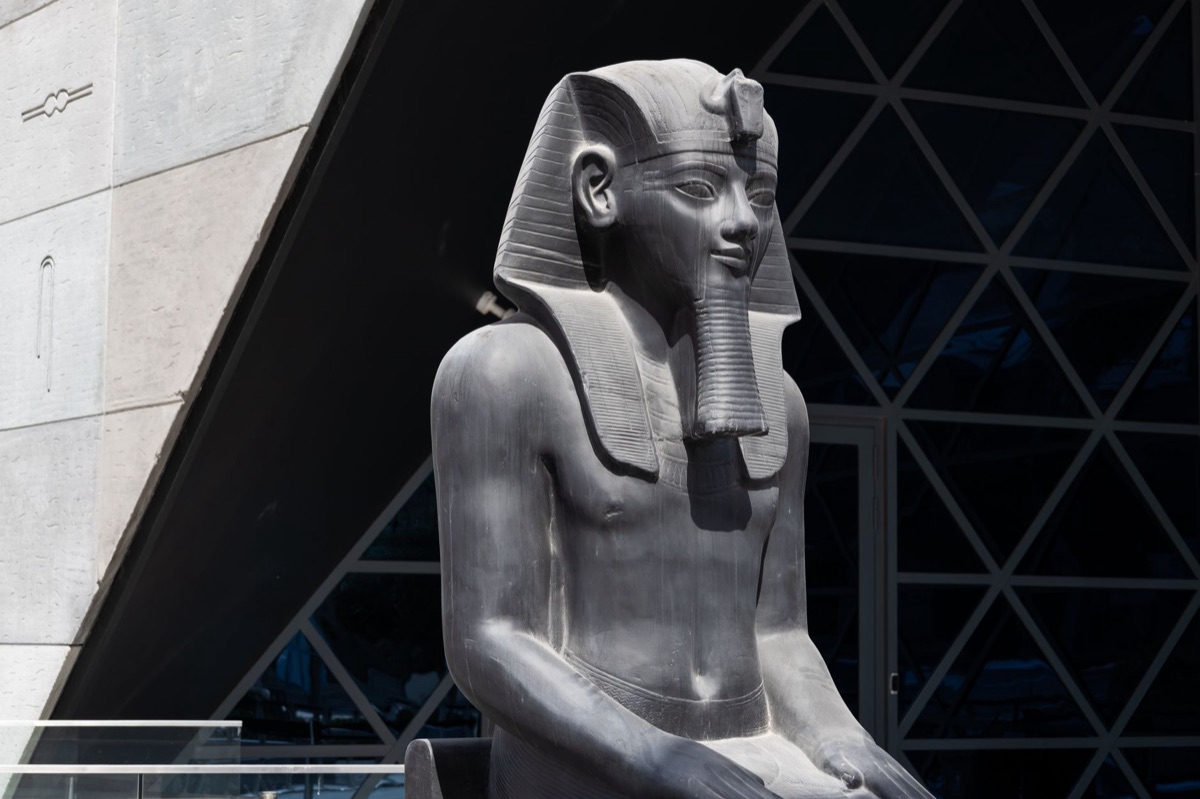
Suggested side trips and connections
After leaving the museum and stepping back into the bright Cairo sun, the transition from the ancient world to the modern one can be jarring. To keep the historical momentum going, you can branch out to other parts of the city.
A great way to round out a trip is to connect the artifacts you see in the museum with the massive structures that define the landscape.
* The Giza Plateau: A short drive from central Cairo brings you to the Great Pyramids and the Sphinx. If Tutankhamun represents the personal history of a king, the pyramids represent the eternal scale of Egyptian ambition. * Islamic Cairo: Wander through the streets of Old Cairo and the Khan el-Khalili bazaar. The architecture and the vibrant atmosphere offer a look at a completely different, yet equally rich, layer of Egyptian history. * Saladin Citadel: Visit the citadel for a panoramic view of the city, helping you understand the geography that has shaped Cairo for centuries.
How to capture the best impressions
A photograph often fails to capture the sheer presence of a gold mask or the texture of ancient stone. However, knowing what to look for can change how you experience the exhibits.
When you are standing before an artifact, try to look past the initial "wow" factor and look for the human element.
- Watch the details: Instead of just looking at the whole object, look at the fine engravings and the way the hieroglyphics are carved. The smallest details often tell the most personal stories.
- Observe the lighting: Museum lighting is carefully designed to highlight textures and shapes. Notice how the shadows fall across the gold; it is often what creates the sense of drama.
- Think about purpose: Ask yourself why this object was made. Was it for a ritual? For comfort? Viewing an object through the lens of its original purpose makes it more than just a piece of history.





Comments 0