Nile Cruise Guide: Maximize Your 4-Day Egyptian Journey
"The river is the heartbeat of history, and a cruise is the only way to feel its pulse."
If you only have a few days to witness the wonders of the Pharaohs, a 3-night, 4-day Nile cruise is the most efficient way to bridge the gap between Luxor’s massive temples and Aswan’s quiet beauty.
It transforms travel time into sightseeing time, moving you between ancient sites while you sleep, eat, and relax.
Key Takeaways * Efficiency: A 3-night, 4-day cruise covers the essential Luxor-to-Aswan corridor, maximizing sightseeing time. * Logistics: It solves the problem of moving between cities, providing built-in transport, lodging, and meals.
* Balance: This itinerary allows travelers to pair ancient history with a modern extension to Cairo or the Red Sea.

Why a 3-Night Cruise is the Smartest Move
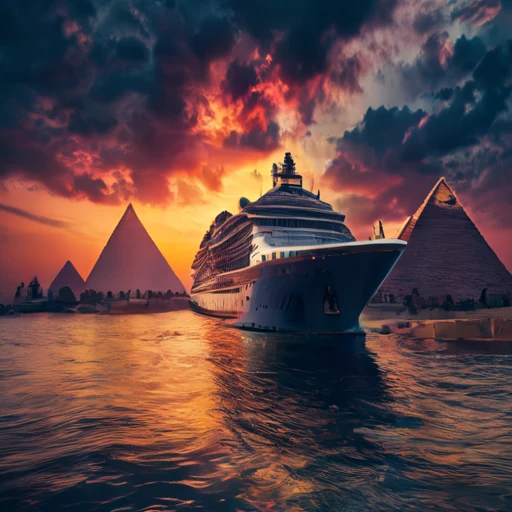
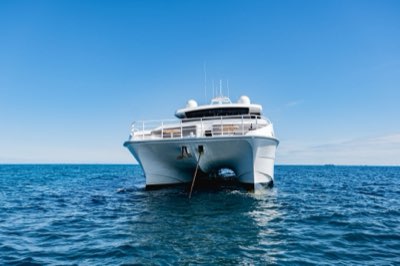
I remember standing on a balcony in Luxor as the sun began to dip behind the West Bank, watching a white-hulled cruise ship glide silently past. According to the World Bank, Egypt recorded international tourist arrivals of 13,026,000 in 2019.
The sheer scale of the columns at Karnak makes you feel small, but looking out from the deck, you realize the river is the thread that holds these massive stones together.
For travelers with limited time, choosing between a 7-day tour and a short cruise is a common dilemma. While longer cruises offer a slower pace, the 3-night itinerary is the "sweet spot" for those balancing a busy schedule.
It focuses on the high-density historical corridor between Luxor and Aswan, which contains the highest concentration of world-class monuments.
Choosing a cruise over flying or driving between cities is a matter of logistics. If you were to drive, you would spend hours navigating dusty roads and managing hotel check-ins every night. On a cruise, your "hotel" moves with you.
You wake up in a new city every morning, often right at the doorstep of a temple.
| Feature | 3-Night Nile Cruise | Flying/Driving Solo |
|---|---|---|
| Transport | Included (The ship is your vehicle) | Requires rental or private drivers |
| Lodging | Consistent, high-standard cabins | Variable hotel quality |
| Meals | Typically full board (Breakfast/Lunch/Dinner) | Must find local dining daily |
| Sightseeing | Guided excursions often included | Self-guided or separate tours |
However, travelers must understand that a short cruise requires discipline. You cannot see everything in four days, so you must prioritize.
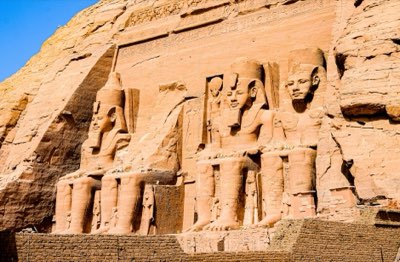
This timeframe is perfect for seeing the Valley of the Kings and Philae, but it usually means skipping the long trek to Abu Simbel unless you arrange a specific early-morning excursion.

What is my essential 4-day itinerary? The morning air in Luxor is often thick with a golden haze that makes the sandstone temples look like they are glowing from within. On a standard 4-day journey, your first morning usually begins with the sheer scale of the East Bank.
Day 1: The Grandeur of Luxor Your journey typically begins in Luxor. After checking in, you head to the East Bank to witness Karnak Temple. This is not just a single temple but a massive complex of sanctuaries and pylons.
Following this, the West Bank exploration—including the Valley of the Kings—is often scheduled to take advantage of the cooler morning temperatures.
Day 2: Sailing Toward the South As the ship begins its southward movement, the landscape shifts from urban sprawl to lush green banks. Typical stops include the Temple of Edfu, dedicated to the falcon god Horus, and the double temple of Kom Ombo.
These stops are timed to allow you to explore the ruins before returning to the ship for lunch.
Day 3: The Majesty of Aswan By the third day, you arrive in Aswan, a city known for its granite and its unique Nubian culture. Typical excursions include the beautiful Philae Temple, located on an island, and a visit to the High Dam.
The serenity of Aswan provides a sharp, peaceful contrast to the monumental scale of Luxor.
Day 4: Final Reflections and Departure The final morning is usually for quiet reflection or a final local market visit before disembarking. Most travelers use this departure as a transition point, heading to the airport for a flight to Cairo or a transfer toward the Red Sea.
But how do you actually pick the right vessel among the hundreds on the water?
How to Choose Your Perfect Ship
Walking through a crowded terminal in Cairo, looking at a sea of travelers, you realize that not all ships are created equal. Some are floating palaces, while others are basic vessels that simply provide a bed and a meal.
When selecting a cruise, do not just look at the price tag. You must evaluate the vessel's layout and its itinerary. A ship that docks directly in the heart of Luxor is often more valuable than a cheaper ship that docks miles away, requiring long bus transfers.
Check these three specific criteria before booking: 1. Cabin Orientation: Ensure your cabin has a large window or a balcony facing the river. The view is the primary reason to be on a cruise. 2.
Dining and Inclusion: Confirm if the cruise is "Full Board" (all meals included) or "Half Board." Some luxury lines include excursions, while budget lines might charge extra for every temple entry fee. 3. Ship Age and Maintenance: The Nile has many older vessels.
While they have charm, newer ships often offer better air conditioning and more modern plumbing, which is vital in the Egyptian heat.
It is important to note that while the cruise covers transport and lodging, entrance fees to specific tombs or museums are often handled separately. Always ask your provider exactly which sites are included in the base price to avoid "sticker shock" when you arrive at the gate.
But what happens when the cruise ends and the desert heat sets in?

How do I complete my Egyptian story? The desert sun can be unforgiving, and after a few days of ancient ruins, the urge to find water and shade becomes overwhelming. While the Nile provides life, the rest of Egypt offers different dimensions of experience.
A 3-night cruise is rarely a standalone trip. Most travelers use it as a centerpiece. Because the cruise ends in Aswan, it is common to fly to Cairo to see the Giza Pyramids, which are an absolute necessity for any first-time visitor.
The scale of the Great Pyramid is a different kind of awe that the river temples cannot replicate.
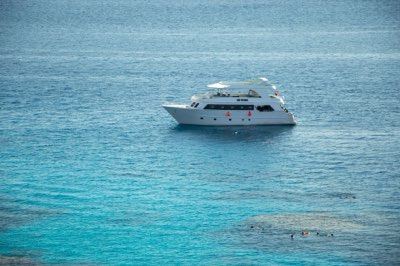
Alternatively, many travelers pair their cruise with a trip to the Red Sea. After the historical intensity of Luxor and Aswan, heading to Hurghada or Sharm El Sheikh offers a perfect transition.
You trade the golden sands of the desert for the turquoise waters of the coast, providing a much-needed period of relaxation.
| Destination Type | Purpose | Typical Pairing |
|---|---|---|
| The Nile | Historical immersion | 3-4 Day Cruise |
| Cairo | The Great Pyramids & Museums | 2-3 Day Stay |
| Red Sea | Relaxation & Diving | 3-5 Day Stay |
The contrast between the ancient, dusty history of the and the vibrant, modern life in cities like Cairo creates a complete narrative of Egypt. You move from the cradle of civilization to the pulse of the modern Middle East.
I remember sitting on a deck chair, sipping tea, and listening to a fellow traveler ask if they had packed enough. It is a common anxiety: "Am I doing this right?"
Note on Scale and Economy As global tourism fluctuates, travelers should note that Egypt saw 13,026,000 international arrivals in 2019, highlighting the country's massive scale as a global destination.
While economic shifts occur, the tourism sector remains a cornerstone of the nation's identity. Understanding the local context, such as the 2025 GDP per capita of US$3,086, helps travelers understand the local economy they are participating in.

Comments 0