3-Night Nile Cruise: Your Essential 4-Day Egypt Journey
"The river is the heartbeat of our history, and a cruise is the only way to hear its pulse."
If you only have a few days to witness the majesty of the Pharaohs, a 3-night, 4-day Nile cruise is the most efficient way to bridge the gap between Luxor’s massive temples and Aswan’s quiet beauty.
It transforms travel logistics into a floating sanctuary, allowing you to wake up in a new landscape every morning without the stress of constant packing.
Key Takeaways * Efficiency: A 3-night cruise covers the essential Luxor-to-Aswan corridor, hitting major archaeological sites while moving between cities. * Logistics: It solves the problem of transport, dining, and lodging in one seamless package.
* Balance: This itinerary allows travelers to pair ancient history with a modern extension to Cairo or the Red Sea.
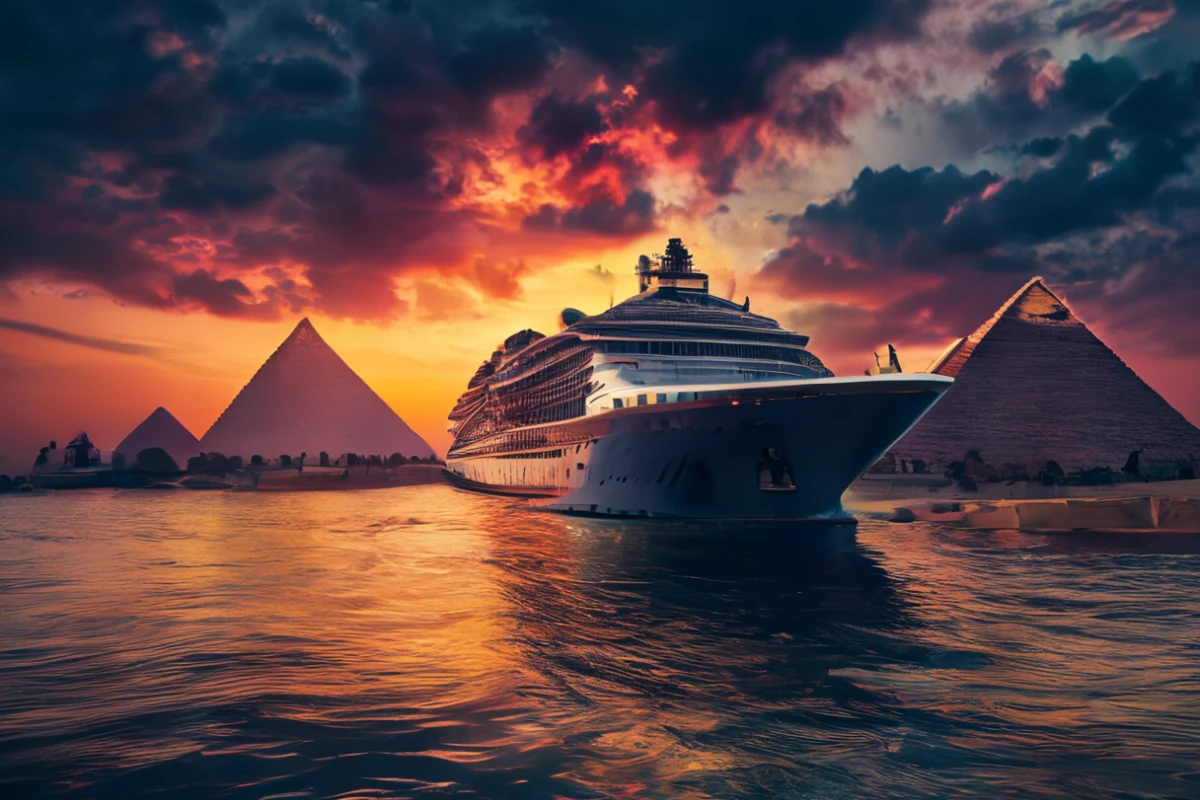
Why Choose a 3N/4D Nile Cruise?
The sun hit the balcony of my hotel in Luxor in late 2025, casting long shadows over the distant silhouettes of the West Bank.
I remember looking at my itinerary and realizing that if I had chosen a train or a private car, I would have spent half my precious vacation staring at dusty highways instead of the riverbanks.
For travelers with limited time, the 3-night/4-day cruise is the "sweet spot." While 7-day or 10-day cruises offer a slower, more exhaustive deep dive, they often feel rushed when squeezed into a larger two-week itinerary.
A 3-night journey focuses strictly on the high-impact sites between Luxor and Aswan, providing a concentrated dose of history.
Choosing a cruise over flying or driving is a decision of lifestyle. If you fly, you gain time but lose the meditative experience of watching the desert transition into lush greenery. If you drive, you gain flexibility but lose the luxury of a stable, air-conditioned base.
| Feature | 3-Night Nile Cruise | Private Car/Driver | Domestic Flight |
|---|---|---|---|
| Logistics | All-in-one (Food, Bed, Transport) | High management required | High management required |
| Sightseeing | Directly docks near major sites | Flexible but tiring | Fastest, but limited to airports |
| Cost Efficiency | High (bundled services) | Variable (fuel, driver, tolls) | Often higher when adding hotels |
The main trade-off is depth versus breadth. In a 3-day window, you won't see every minor tomb, but you will see the heavy hitters like Karnak and Philae without the exhaustion of constant transit.
But choosing the route is only the first step; the actual movement through time requires a plan.
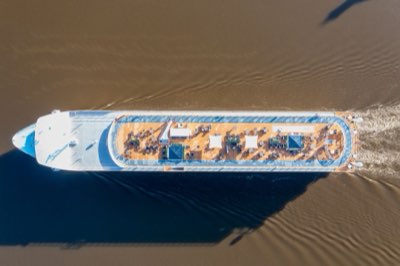
What is my essential 3N/4D itinerary? I stood on the deck of a mid-sized cruiser at 6:00 AM in early 2026, watching the mist rise off the water as the boat slowly pulled away from the Luxor docks. The quiet hum of the engine was the only sound, signaling the start of a journey through time.
A standard 3-night itinerary is designed to move you from the monumental to the mystical.
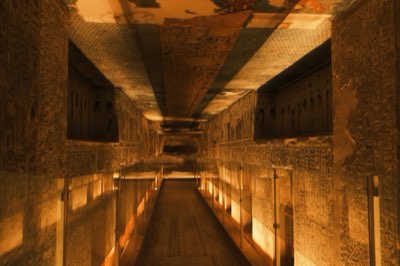
- Day 1: The Grandeur of Luxor: Most cruises begin in Luxor. Your first day is often dedicated to the East Bank, where the massive columns of Karnak Temple stand. You might also visit Luxor Temple in the evening when it is beautifully illuminated.
- Day 2: Sailing and Sacred Sites: As the boat moves south toward Edfu, you experience the rhythm of the river. Typical stops include the Temple of Kom Ombo, which is uniquely built to honor two different gods, Sobek and Horus.
- Day 3: Aswan’s Majesty: Upon reaching Aswan, the itinerary usually shifts to the High Dam and the beautiful Philae Temple, located on an island. This is often the most scenic part of the trip.
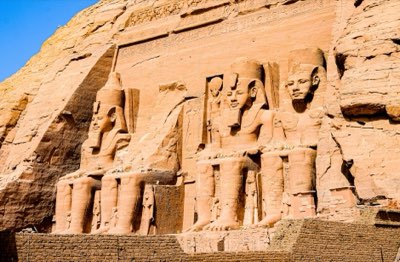
- Day 4: Disembarkation: After breakfast, you check out. Many travelers use this morning to arrange a transfer to Abu Simbel or a flight to Cairo.
This sequence ensures you hit the most famous landmarks while using the boat as a moving hotel. It prevents "temple fatigue" by mixing heavy walking days with relaxing sailing hours.
However, the vessel you choose can make or break the rhythm of this schedule.
How to Pick the Right Ship?
I remember looking at a brochure for a luxury cruiser and then looking at a much smaller, traditional wooden *dahabiya* during a trip in 2025. The difference wasn't just price; it was the entire soul of the experience.
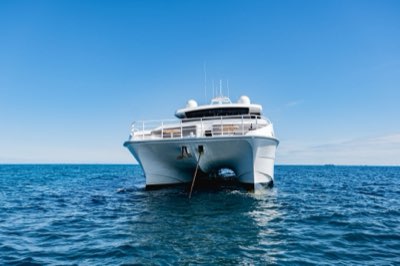
When selecting a vessel, don't just look at the star rating. You need to understand how the ship's size affects your experience. Larger ships can carry hundreds of passengers, which means more amenities but also more crowds. Smaller vessels offer more intimacy but might have fewer dining options.
Checklist for Selection: * Cabin Placement: Always ask if your cabin is on a lower deck. If it is, ensure there is a balcony or that the view isn't blocked by the upper deck.
* Dining Quality: Since you will eat almost every meal on board, check reviews specifically regarding food variety and cleanliness. * Inclusions vs. Add-ons: Some cruises include all entrance fees to temples, while others only include the transport.
Always clarify if your "all-inclusive" price covers the actual entry to the sites.
A common mistake is choosing a ship based solely on a low price, only to find out that the "included" excursions cost an extra $200 per person. Always ask for a breakdown of what is covered.
But what happens once you step off the boat and rejoin the modern world?
How do I complete my Egyptian story beyond the cruise? The desert heat shimmered over the road as our driver headed toward the Red Sea in mid-2026, leaving the ancient riverbanks behind. It felt like moving from one world into an entirely different one. According to World Bank data, Egypt recorded international tourist arrivals of 13,026,000 in 2019.
A 3-night cruise is rarely a standalone trip. It is usually a centerpiece of a larger journey. To make the most of your time, you must pair this river experience with other distinct Egyptian landscapes.
The Cairo Anchor: No trip to Egypt is complete without Cairo. Even with a cruise, you should allocate at least 2-3 days to visit the Giza Pyramids and the Grand Egyptian Museum. The cruise handles the southern history, while Cairo handles the monumental scale.
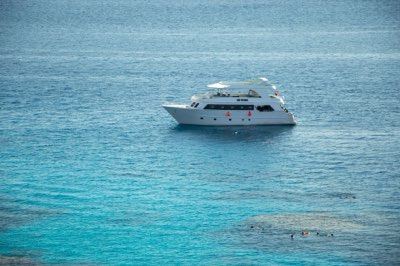
The Red Sea Extension: If you want to end your trip with relaxation, head to Hurghada or Sharm El Sheikh after disembarking in Aswan or Luxor.
The transition from the ancient, dusty archaeology of the Nile to the turquoise waters of the Red Sea provides a perfect emotional balance to your vacation.
While the cruise provides a deep dive into the past, these extensions provide the modern comforts and natural beauty that round out a complete travel experience.
I remember sitting in a quiet cafe in Aswan, sipping mint tea, and thinking about all the questions travelers usually ask when they first arrive.
Note on Scale and Economy As global tourism fluctuates, travelers often look for efficient ways to experience high-density historical regions. For context, Egypt saw significant international arrivals in recent years, reflecting its status as a global destination.
While travelers plan these journeys, they contribute to a complex economic landscape where tourism remains a vital sector.
Summary of the 3-Night Itinerary 1. Start in Luxor: Explore the East Bank and settle into your floating home. 2. Sail South: Visit Kom Ombo and Edfu while enjoying the river views. 3. Reach Aswan: Visit Philae Temple and prepare for your next destination. 4.
Extend the Trip: Connect to Cairo or the Red Sea for a complete experience.

Comments 0