7-10 Night vs. 3-4 Night: Setting Your Nile Cruise Pace
"The river does not move as fast as the traveler, but it carries you exactly where you need to be."
Choosing a Nile cruise is not merely about picking a boat; it is about deciding how you want to experience the heartbeat of ancient civilization.
The right vessel can turn a simple transit into a floating palace of discovery, while the wrong choice can leave you feeling crowded or disconnected from the very history you came to see.
Key Takeaways * Vessel Size Matters: Choose between intimate small boats for personalized service or large ships for grand amenities. * Itinerary Length: Decide between a high-impact 3-4 night highlight tour or a comprehensive 7-10 night deep dive.
* Traveler Profile: Match your choice to your priority, whether it is pure archaeological immersion or high-end luxury relaxation.
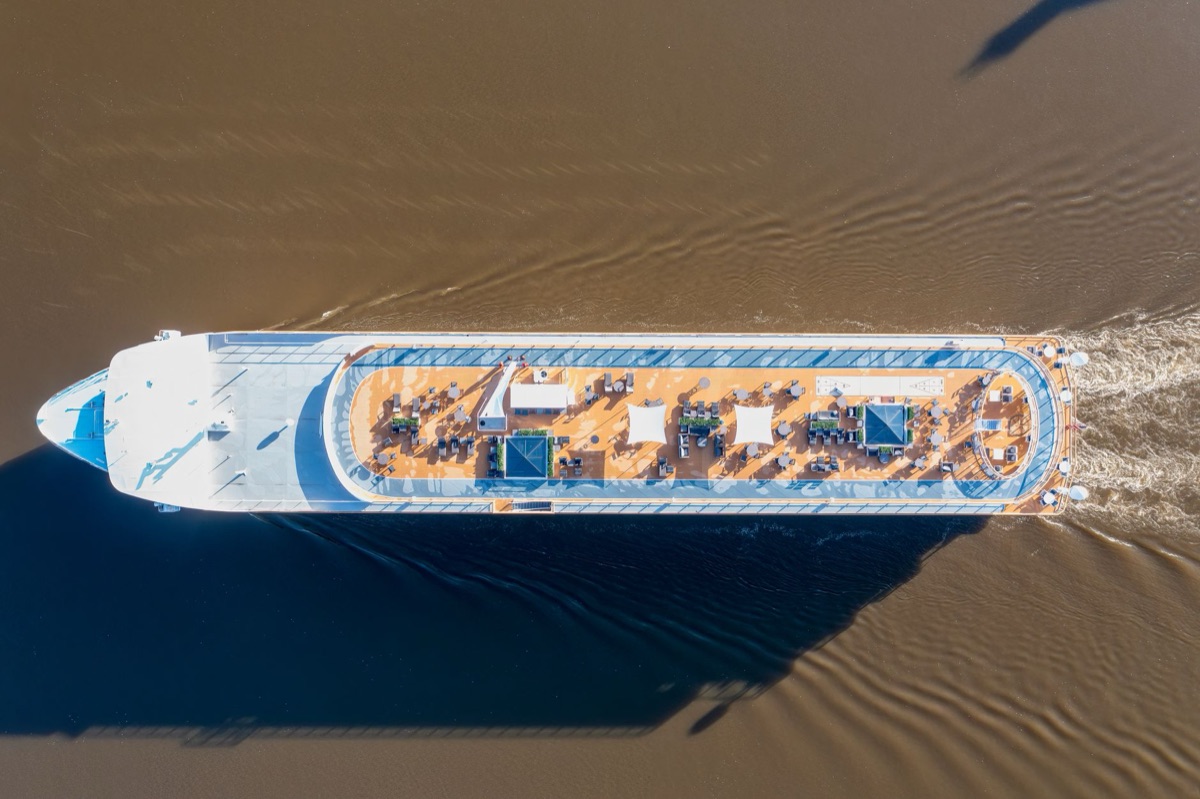
Should I choose a small or grand vessel? I remember standing on the deck of a massive, white-hulled cruiser in Luxor at 6:30 AM in the spring of 2025, watching the golden light hit the West Bank while the smell of fresh coffee drifted from the dining hall.
In that moment, the sheer scale of the ship felt like a floating hotel, disconnected from the riverbanks but perfectly comfortable.
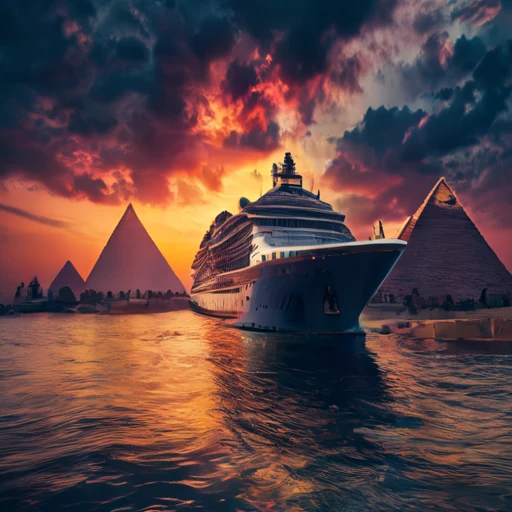
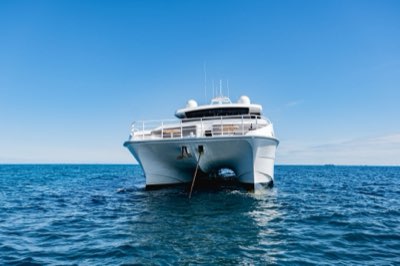
For travelers who want a grand, resort-like atmosphere, large luxury vessels are the standard. These ships often accommodate over 100 passengers and function as self-contained worlds. You will find multiple dining options, swimming pools, and structured entertainment.
They are excellent for those who want to transition from a dusty archaeological site directly into a climate-controlled lounge with a cocktail in hand.
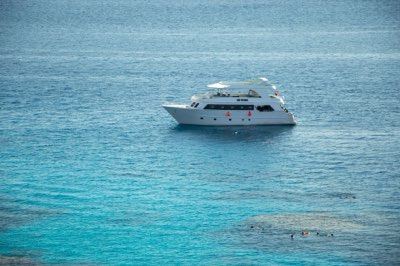
However, there is a growing trend toward smaller-scale intimacy. These vessels, often carrying only 20 to 30 guests, allow for a much more personal connection with the crew.
In smaller boats, the service is often more intuitive; the captain might know your name by the second day, and the guides can navigate smaller docks that larger ships cannot reach.
If you find yourself torn between the two, consider the balance of accessibility. Large ships provide a sense of security and abundance, but smaller vessels offer a closer proximity to the river's edge and a more authentic, quiet atmosphere.
| Feature | Large Luxury Ships | Small/Boutique Vessels |
|---|---|---|
| Passenger Count | 100+ guests | 20–40 guests |
| Atmosphere | High-energy, social, grand | Quiet, intimate, personalized |
| Amenities | Extensive (Pools, multiple restaurants) | Focused (Sun decks, limited dining) |
| Best For | Families and social travelers | Couples and photography enthusiasts |
The choice of vessel sets the tone for your entire journey, but the route you take through the water is what defines your historical education.
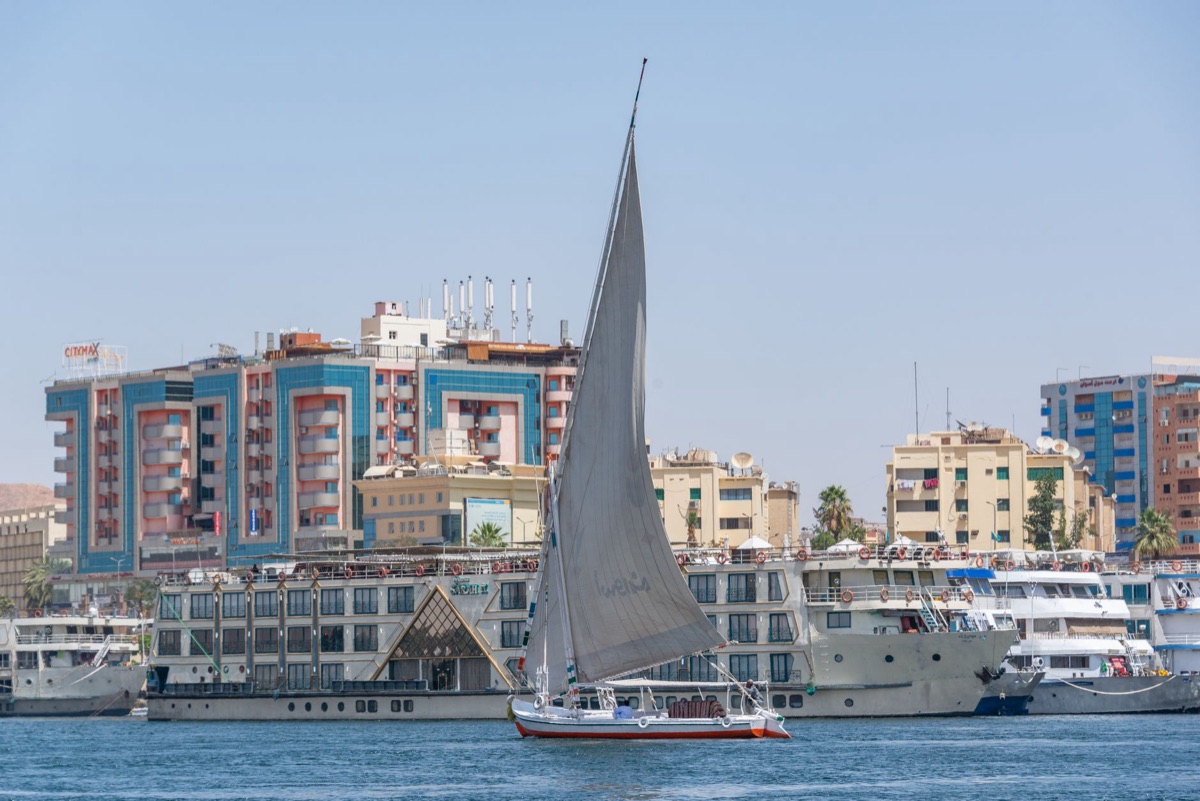
Itinerary Deep Dive: How Long is Too Long?
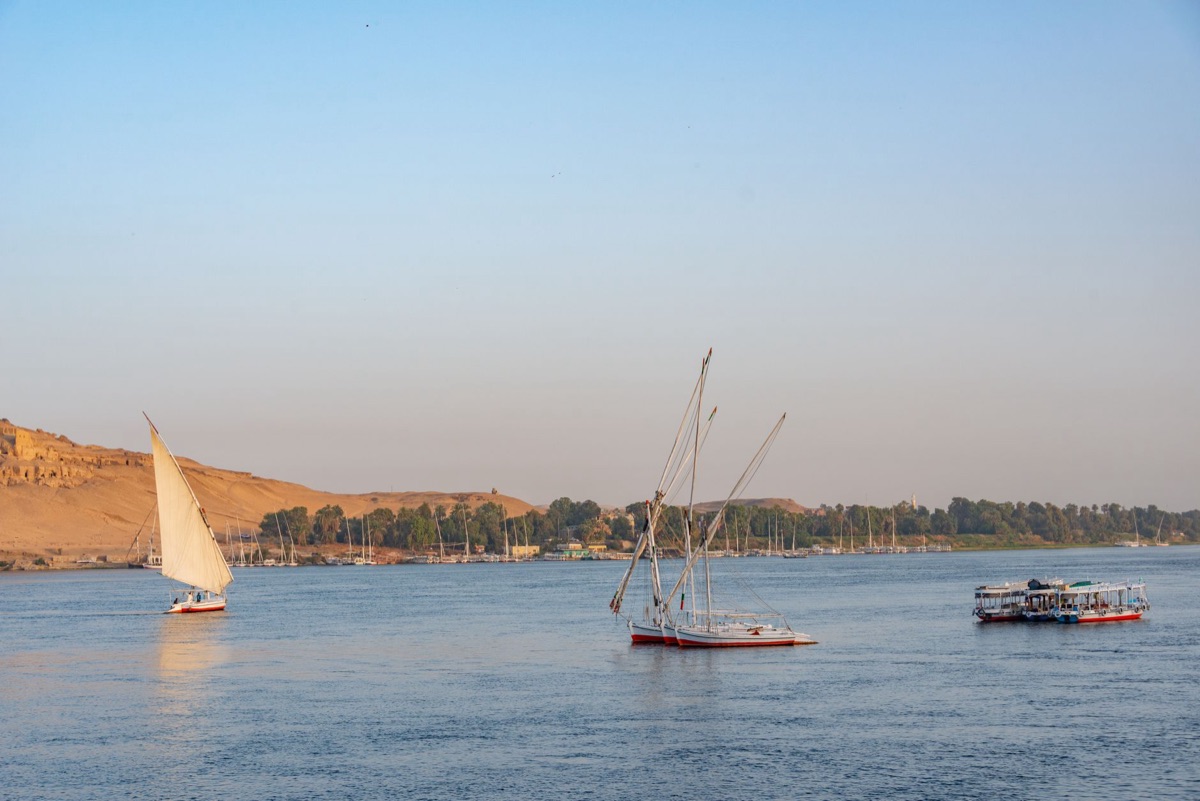
The sun was barely peeking over the horizon in Aswan in late 2025, and our group gathered on the deck, clutching notebooks and cameras. We had only 4 days, and the realization that we were moving through thousands of years of history in a single week hit us all at once.
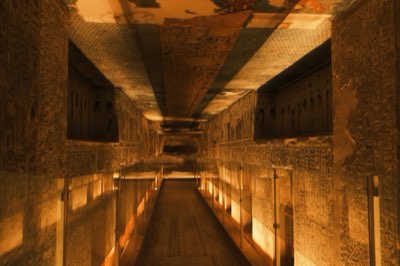
For those with limited time, the "Essential Trio" is the standard choice. These are typically 3 to 4-night cruises, usually running between Luxor and Aswan. This itinerary focuses on the heavy hitters: the Valley of the Kings, Karnak Temple, and Philae Temple.
It is a high-impact, efficient way to see the core of Upper Egypt, making it perfect for first-time visitors who need to balance sightseeing with other destinations like Cairo or the Red Sea.
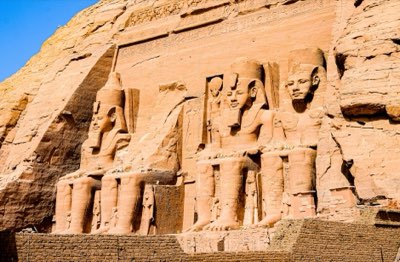
If you have more flexibility, the comprehensive 7 to 10-night journey is transformative. These longer itineraries allow you to include stops like Abu Simbel or more remote temples that require extra travel time.
A longer cruise prevents "temple fatigue." Instead of rushing from one monument to the next, you have the breathing room to sit in the shade of a colonnade and actually process the scale of what you are seeing.
The standard geographical flow usually begins in Cairo, followed by a flight to either Luxor or Aswan. Most cruises move in one direction—either North from Aswan to Luxor or South from Luxor to Aswan—to follow the current and the historical progression of the Nile valley.
Deciding on the duration is a matter of pacing. Do you want a whirlwind of discovery, or do you want to let the river settle into your bones?
How do I match my vibe to my voyage? I once sat in a quiet corner of a small boat near Kom Ombo at 4:00 PM, watching a local fisherman cast a net into the water as the ship drifted slowly past. The silence was heavy and beautiful, a stark contrast to the bustling energy of the large cruise ships we had seen in Luxor.
Your choice should reflect your "traveler DNA." The Cultural Purist typically gravit toward smaller vessels and longer itineraries. For this traveler, the cruise is a base of operations, not the destination itself.
The goal is to maximize time ashore, spending hours lost in the hieroglyphics of Dendera or the sheer scale of Philae.
In contrast, the Luxury Seeker views the cruise as a primary experience. For them, the quality of the linens, the gourmet menu, and the ease of the transition from ship to shore are paramount.
They want the majesty of the Nile, but they also want a high-end spa and a refined dining room to return to at the end of the day.
Then there is the Time-Crunched Explorer. This traveler needs maximum impact in minimum time. They look for well-organized, efficient cruises that hit the major landmarks without unnecessary downtime.
Finally, the Hybrid Traveler might spend 4 days on a cruise and then head to Hurghada or Sharm El Sheikh for a week of diving. This combination offers a perfect balance of ancient history and modern relaxation.
Understanding your own priorities is the first step in narrowing down the hundreds of options available.
Navigating the Egyptian Context: Beyond the Cruise Ship
While the ship is your home, the land is your classroom. It is easy to forget that the Nile is not just a scenic backdrop; it is the reason these monuments exist in the first place. According to World Bank, Egypt recorded international tourist arrivals of 13,026,000 in 2019.
The river provided the lifeblood for the pharaohs, and cruising its waters is a way of following the exact path of ancient commerce and conquest.
It is important to remember that the cruise is only one piece of the logistical puzzle. Most travelers will need to coordinate flights from Cairo to Upper Egypt to begin their journey. Furthermore, the quality of your shore excursions often depends more on your guide than the ship itself.
A great guide can bring a dead stone monument to life, regardless of whether you are on a luxury liner or a small riverboat.
Logistically, you should be aware of port calls. Some larger ships may dock at major hubs, while smaller boats can pull up closer to the historical sites. Always check the docking locations of your chosen vessel to understand how much transit time you will face each day.
As you prepare to make your final decision, use the following checklist to evaluate your options.
The Perfect Cruise Selection Checklist
- Verify the Docking Locations: Check if the ship docks directly at the site or requires a 30-minute bus ride to a secondary pier.
- Confirm Inclusions: Ensure you know exactly how many meals are included (e.g., Full Board vs. Half Board) and if entrance fees to temples are covered.
- Assess the Room Configuration: For families, check if there are connecting cabins; for couples, verify the presence of private balconies.
- Check the Itinerary Direction: Decide if you prefer traveling North (Aswan to Luxor) or South (Luxor to Aswan) to match your energy levels.
- Match the Guide-to-Guest Ratio: In smaller boats, ensure you have a dedicated guide for your group rather than a large, impersonal tour group.
Decision Matrix: Quick-Match Scenarios
* Scenario A: The First-Timer with a Tight Schedule * *Profile:* You want to see the "must-sees" but have other plans in the Mediterranean or Cairo. * *Recommendation:* A 3-4 night cruise between Luxor and Aswan. It provides the essential highlights without exhausting your travel budget or time.
* Scenario B: The History Buff Seeking Depth * *Profile:* You are an experienced traveler who wants to see the remote temples and avoid the crowds. * *Recommendation:* A 7-10 night comprehensive cruise on a smaller, boutique vessel. This allows for a slower pace and inclusion of sites like Abu Simbel.
* Scenario C: The Multi-Generational Family Group * *Profile:* You are traveling with kids or elderly relatives and need comfort and variety. * *Recommendation:* A large, luxury vessel with high-end amenities. The ability to have multiple dining options and easy-to-access facilities makes group travel much smoother.
#
Comments 0