7-Day Egypt Journey: Cairo to Luxor Ancient Wonders
"Standing atop a shifting dune as the sun breaks, we find ourselves face-to-face with the very dawn of humanity."
If you want to experience the weight of millennia without burning out, a seven-day strategic route from Cairo to Luxor is your best bet. This timeline allows you to transition from the monumental scale of the pyramids to the spiritual depth of the Nile Valley without losing your footing.
* Explore the sheer scale of the Giza Plateau and the Great Sphinx. * Trace the transition from ancient political power to sacred religious sites. * Utilize efficient travel methods to maximize time spent at monuments.
Why seven days is the strategic sweet spot
The morning air in Cairo is a thick blend of exhaust, dust, and the sharp scent of cumin wafting from street carts. As you tighten your backpack straps and unfurl a map, you realize that traveling through Egypt isn't just a change of scenery; it is a deliberate step backward through time.
In 2026, this remains one of the most profound ways to experience human history. While it might seem brief, seven days is the optimal window to hit the heavy hitters without the exhaustion setting in. According to World Bank data, Egypt recorded international tourist arrivals of 13,026,000 in 2019.
The logic of this itinerary follows the natural flow of the Nile, moving from north to south. By starting in Cairo and ending in Luxor, you follow a narrative arc that moves from the origins of the pharaohs to the spiritual heart of the empire.
Giza, located 20 km southwest of Cairo, holds remains from the 26th century BC, including the Great Sphinx and the Great Pyramids of Giza. Starting with these massive structures sets a high bar, building anticipation for the temple complexes further south.
To make this work, efficiency is non-negotiable. While you could take a long-distance train, flying from Cairo to Luxor is often the better choice to preserve your energy. You need your strength for the heat of the desert, not for twelve hours of transit.
However, even with a flight, you must prepare for the physical toll of walking through massive stone complexes.
How to walk in the shadow of giants in Cairo
The city's chaotic traffic fades into the background as a massive, triangular silhouette begins to dominate the horizon through the car window. As you step out of the vehicle, the sheer scale of the stone blocks makes you feel suddenly, strikingly small.
The Giza district is a concentrated pocket of history. Because it contains monuments like the Great Sphinx and the pyramids that date back to the 26th century BC, it requires a focused approach to avoid sensory overload.
* Day 1: The Giza Plateau Exploration Focus on the Great Pyramid and the Sphinx. Spend the morning inside the structures and the afternoon studying the Sphinx's weathered gaze. * Day 2: The Egyptian Museum and Cairo Urban Life Visit the museum to see Tutankhamun’s gold mask. Spend the evening navigating the transition between ancient history and the bustling modern city. * Day 3: Saqqara and Memphis Transit Travel to Saqqara to see the Step Pyramid, an earlier architectural evolution. Prepare your gear for the transition to Upper Egypt.
I remember the specific jolt of climbing onto a camel near the pyramids. The swaying motion, combined with the sight of the massive stone faces looming above, made the transition from the modern world to the ancient one feel almost physical.
But even with a great plan, there is a logistical hurdle that every traveler must clear.
What will I see at the world's largest open-air museum? The morning mist rises off the Nile in Luxor, and suddenly, colorful hot air balloons begin to drift over the temple ruins. From that height, the golden fields and ancient stone look like a living map of a lost civilization.
Known in antiquity as Thebes, Luxor is essentially a massive, living museum. It offers a different kind of majesty than Cairo—one that feels more spread out and deeply integrated into the landscape.
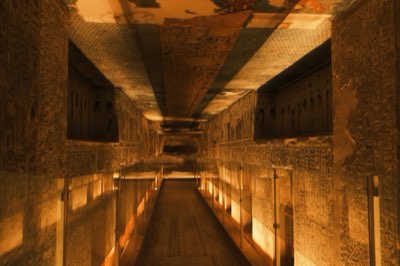
* Day 4: Exploring the East Bank Visit the Karnak and Luxor Temples. The forest of massive stone columns at Karnak is a testament to human ambition. * Day 5: Exploring the West Bank Explore the Valley of the Kings, the Temple of Hatshepsut, and the Colossi of Memnon. This is the realm of the afterlife. * Day 6: Transit to Aswan or Delta Exploration Depending on your energy, head further south to Aswan or explore local ruins near Luxor. * day 7: Final Reflections and Departure Browse local markets for keepsakes and prepare for your flight home.
| Category | Cairo Itinerary | Luxor Itinerary |
|---|---|---|
| Primary Theme | Birth of Dynasties & Massive Scale | Temples of the Gods & Royal Tombs |
| Key Landmarks | Giza Pyramids, Sphinx | Karnak Temple, Valley of the Kings |
| Local Transport | Taxis, Metro, Private Car | Walking, Camel, Felucca (Sailboat) |
| Recommended Stay | Giza-view Hotels | Nile-side Resorts |
While the sights are breathtaking, the environmental factors are the real challenge to your itinerary.
How can I survive out in the field? Walking through sun-drenched ruins can drain your energy in a matter of hours. To stay sharp in the heat of Luxor, you need a tactical approach to your daily routine.
- Sun Protection and Clothing: The Egyptian sun is relentless. Wear light, breathable, long-sleeved clothing to protect your skin, and always carry a wide-brimmed hat and sunglasses.
- Hydration and Hygiene: Drink only bottled water. Avoid ice in drinks, as it can often be a source of stomach upset for travelers.
- The Tipping Culture (Baksheesh): Small gestures often warrant a small tip. Keep local currency handy for various services.
- Managing Solicitations: In busy tourist areas, you may encounter persistent vendors. A polite but firm "No, thank you" is usually sufficient to move on.
Navigating narrow alleys with a local guide can sometimes feel overwhelming, but those moments of human connection are often the highlights of the trip. Still, there are ways to expand this journey if you find yourself wanting more.
Expanding your journey
A seven-day trip is a concentrated dose of history. If you have more time or a larger budget, you can extend the experience.
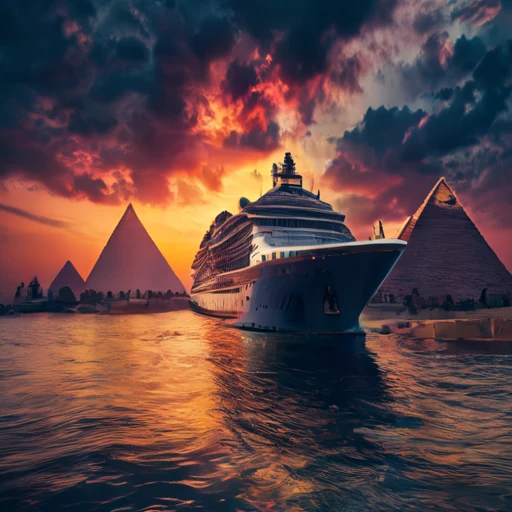
* The Red Sea Escape: After Luxor, you can head to Hurghada or Sharm El Sheikh for snorkeling and diving to decompress. * Nile River Cruises: Instead of flying, you can take a cruise from Luxor to Aswan, turning the transit itself into a scenic tour. * The Mediterranean Connection: You could head north to Alexandria to experience the blend of Greek and Egyptian history.
Best spots for photography
Every corner of Cairo and Luxor offers a potential masterpiece if you know where to look.
* The Giza Backdrop: Find a high vantage point overlooking the plateau to capture the pyramids and the Sphinx in a single wide shot. * Karnak’s Column Forest: Position yourself between the massive pillars of the Karnak Temple to capture the dramatic play of light and shadow. * Luxor Sunrise: The view from a hot air balloon over the West Bank at dawn is an unparalleled photography opportunity.



Comments 0