3-Night Nile Cruise: Your Essential 4-Day Egypt Journey
"The river is the heartbeat of our history, and to float upon it is to travel through time itself."
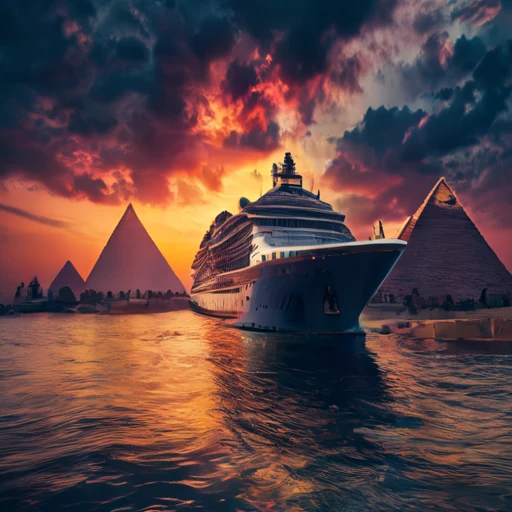
Choosing a 3-night, 4-day Nile cruise is the most efficient way to experience the monumental scale of ancient Egypt without the exhaustion of constant transit.
It bridges the gap between the massive ruins of Luxor and the serene beauty of Aswan, providing a floating hotel that moves with your itinerary.
Key Takeaways * Efficiency: A 3-night cruise acts as a perfect centerpiece, covering the most vital archaeological sites between Luxor and Aswan. * Logistics: It solves the problem of moving luggage and finding lodging while simultaneously sightseeing.
* Balance: This timeframe allows travelers to pair the historic Nile with a modern extension to Cairo or the Red Sea.
Why a 3-Night Cruise is the Smartest Move
I remember standing on a balcony in Luxor on a humid Tuesday morning in 2025, watching the sun dip behind the West Bank, feeling the weight of thousands of years of history. According to World Bank data, Egypt recorded international tourist arrivals of 13,026,000 in 2019.
I had just finished a grueling three-day trek through different cities, and looking at the quiet, steady flow of the Nile, I realized that the river wasn't just a backdrop—it was the road.
For many travelers, a 7-day or 10-day cruise feels overwhelming when they only have a limited window for an Egyptian adventure. A 3-night, 4-day itinerary is the "sweet spot" for first-timers.
It allows you to hit the heavy hitters—the Valley of the Kings and the temples of Aswan—without feeling like you are constantly packing and unpacking.
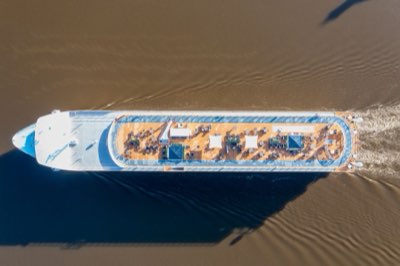
When deciding between a cruise and a land-based tour, consider the logistics. If you choose to fly or drive between Luxor and Aswan, you spend significant time in transit, often dealing with dusty roads or airport security. On a cruise, your "transportation" is also your luxury hotel.
While you sleep, the river moves you closer to your next destination.
| Feature | 3-Night Nile Cruise | Land-Based Tour (Flying/Driving) |
|---|---|---|
| Logistics | Luggage stays in one cabin; ship moves for you. | Frequent packing/unpacking and hotel changes. |
| Sightseeing | Temples are often right at the docks. | Requires daily transit to and from sites. |
| Cost Efficiency | Often includes meals, lodging, and transport. | Meals, lodging, and transport are separate. |
| Pace | Relaxed, rhythmic, and steady. | Can be fast-paced and physically demanding. |
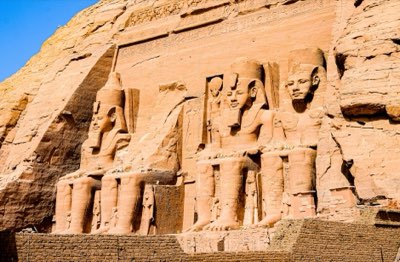
However, travelers must understand what this timeframe *cannot* do. A 3-night cruise will not give you enough time to visit Abu Simbel comfortably without a long, early-morning excursion. It is a focused strike on the central Nile valley, not an exhaustive survey of the entire country.
But how do you actually structure the time to make it count?

What is my essential 4-day itinerary? The sun rose over the Nile on my first morning in Luxor, casting a golden light over the palm trees that lined the banks. It was the perfect start to a journey that felt less like a vacation and more like a pilgrimage.
A standard 3-night itinerary usually begins in Luxor and ends in Aswan, though some routes run in reverse. Here is how a high-efficiency schedule typically flows:
- Day 1: The Grandeur of Luxor: After checking into your vessel, you head to the East Bank to witness the massive columns of Karnak Temple. Later, you cross to the West Bank to explore the Valley of the Kings, where the tombs of pharaohs await.
- Day 2: Sailing and Sacred Sites: As the ship begins its southward journey, you visit the Temple of Edfu, dedicated to the falcon god Horus. This is often a highlight, as the temple is one of the best-preserved in Egypt.
- Day 3: The Beauty of Aswan: The ship docks in Aswan, where you visit the romantic Philae Temple, located on an island. You might also visit the High Dam, a marvel of modern engineering.
- Day 4: Final Reflections and Departure: After breakfast, you disembark. This is usually when travelers head to their next destination, such as a flight to Cairo or a transfer to a desert oasis.
This sequence is designed to move from the most monumental, crowded sites toward the more peaceful, scenic landscapes of Upper Egypt. It allows the traveler to transition from the overwhelming scale of the Pharaohs to the quiet beauty of the southern cataracts.
But choosing the right vessel is where the real decisions happen.
How do you choose the perfect ship?
I once stepped onto a luxury cruiser that looked magnificent in photos, only to find the air conditioning was temperamental and the dining hall felt cramped. It taught me that a ship's "luxury" rating isn't nearly as important as its operational quality.
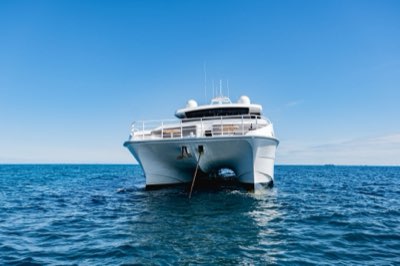
When selecting a vessel, don't just look at the star rating. You need to evaluate the specific layout and service standards.
* Cabin Placement: Always check if your cabin has a window or a balcony. On a river cruise, the view is your primary entertainment. A cabin with a small, high window might feel claustrophobic during a long journey. * Dining and Social Spaces: Since you will spend much of your time on board, ensure the dining hall is spacious and the food quality is high. Some ships offer buffet-style meals, while others focus on set-table service. * Inclusions vs. Add-ons: This is where travelers often get caught. Some cruise lines include all entrance fees to temples, while others only include the transport. Always ask: "Is the entry to the Valley of the Kings included in this price?"
A common mistake is choosing a ship based solely on price. A budget vessel might save you money upfront, but if it lacks reliable water heating or quiet engines, your sleep—and your ability to enjoy the sights—will suffer.
So, what comes after the river?

How do I complete my Egyptian story? The cruise is a magnificent chapter, but it is rarely the whole book. I remember looking out at the desert horizon from the deck, thinking about how much more there was to see beyond the riverbanks.
To have a complete experience, you must integrate the cruise into a larger itinerary.
The Cairo Anchor You cannot visit Egypt without seeing the Pyramids of Giza and the Egyptian Museum. Most travelers fly into Cairo, spend two days there, take a short flight to Luxor to begin their cruise, and then return to Cairo before heading home.
The Red Sea Extension If you want to transition from ancient history to tropical relaxation, pair your cruise with a trip to the Red Sea. After disembarking in Aswan, you can fly to Hurghada or Sharm El Sheikh. This provides a perfect balance of intellectual stimulation and physical relaxation.
The Scale of Tourism It is worth noting that Egypt remains a global destination. In the 2024 and 2025 tourism seasons, the country saw a massive influx of visitors, reinforcing the need to book well in advance.
This volume of travelers means that while the cruise is efficient, you should still book your vessel at least 4 to 6 months ahead to secure the best cabins.
I remember sitting in a quiet cafe in Aswan, sipping hibiscus tea, and thinking about all the questions travelers usually ask. They often worry about the small details that can make or break a trip.
Summary of the 3-Night/4-Day Experience
- Identify your entry point: Decide if you will start in Luxor or Aswan.
- Verify inclusions: Confirm which temple fees and meals are covered.
- Plan the "Beyond": Book your Cairo or Red Sea connections alongside your cruise.
- Prepare for the heat: Ensure your ship has reliable climate control.
The Nile is a timeless traveler's companion. By choosing a 3-night cruise, you aren't just taking a boat ride; you are choosing a rhythmic, organized, and deeply moving way to encounter one of the greatest civilizations in human history.
Comments 0