Egypt Trip: 3-Night Cruise vs. Full 7-Day Journey Explained
"Is a few days on the water enough to capture the soul of the Pharaohs?"
For many travelers landing in Cairo, the question isn't about whether they can see Egypt, but whether they can see it without feeling like they are sprinting through a desert mirage.
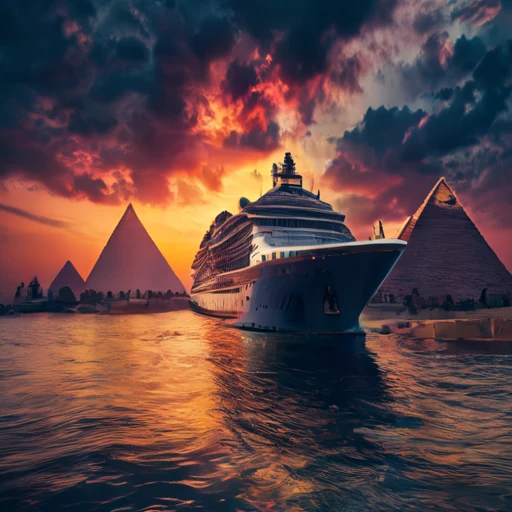
A 3-night, 4-day Nile cruise is the perfect tactical slice of an Egyptian itinerary, focusing on the vital corridor between Luxor and Aswan.
Key Takeaways
* Optimized Pacing: This duration is the "sweet spot" for travelers who want to see the heavy hitters of Upper Egypt without sacrificing time for Cairo or the Red Sea. * The Route: Most 3N/4D cruises focus on the Luxor-to-Aswan leg, covering the most concentrated density of ancient monuments. * Strategic Pairing: This segment works best when bookended by a few days in Cairo and a final relaxation period at a Red Sea resort like Hurghada. * The Decision: Choosing a cruise over land travel offers a moving hotel and scenic transit, whereas land travel offers more flexibility for remote desert excursions.
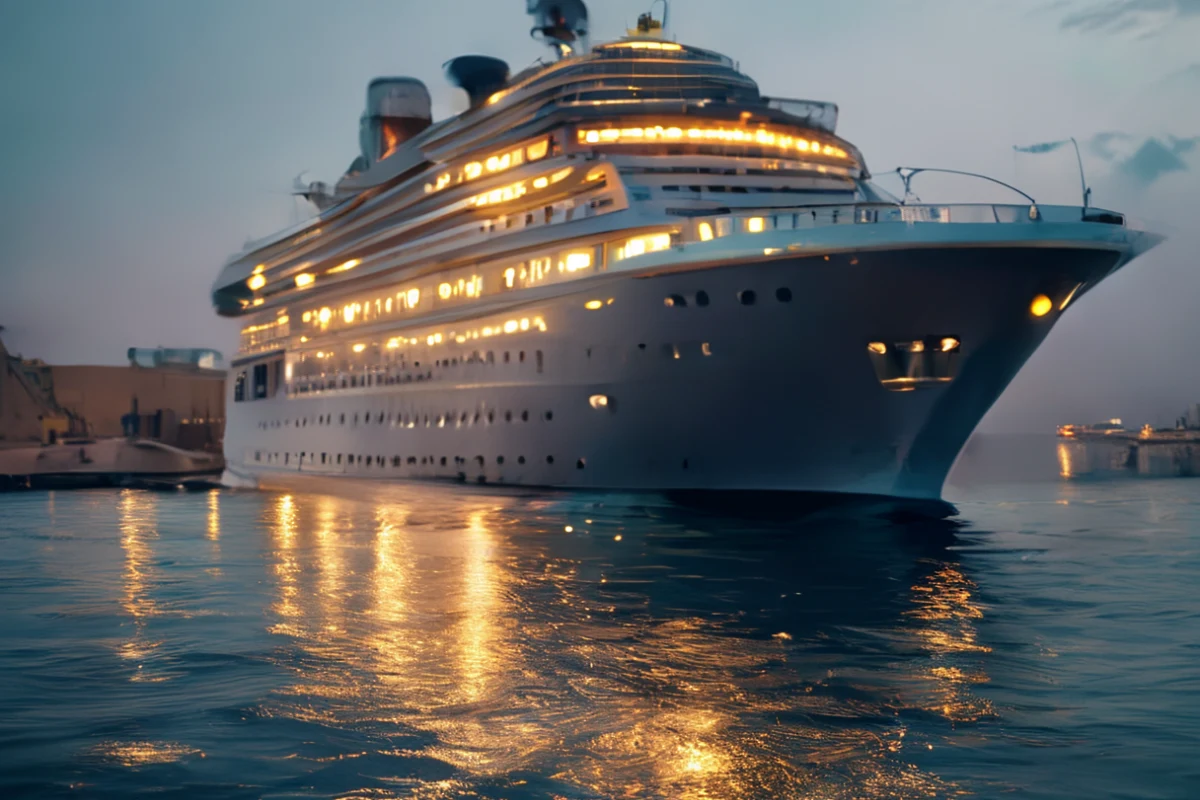
Why Choose a 3N/4D Nile Cruise for Your First Visit?
The sun was just beginning to crest over the West Bank in Luxor, casting long, amber shadows across the Valley of the Kings, when I realized that the slow glide of the ship was actually the most efficient way to travel.
Sitting on the deck with a coffee, the landscape moved past us while we transitioned between the living and the dead.
A 3-night cruise is not a complete Egyptian odyssey, but it is a highly focused immersion. While a full 7-day cruise covers the entire stretch from Cairo to Aswan, a 3-night segment is designed to maximize the time spent at the actual archaeological sites.
It prevents the "travel fatigue" that often sets in when travelers try to see everything in one go. This specific duration focuses on the geographical sweet spot of Upper Egypt. By centering the trip on the Luxor and Aswan corridor, you hit the highest density of world-class monuments.
You aren't spending all your time in transit; you are spending your time moving between the greatest treasures of antiquity. When you pair this with a dedicated time slot in Cairo, the narrative of your trip becomes much clearer.
You start with the massive scale and urban chaos of the North and move toward the intimate, river-centric life of the South. It turns a chaotic vacation into a structured historical journey. But how exactly does the daily life on the water compare to a standard hotel stay?
| Feature | 3N/4D Cruise Segment | Full 7-Day Cruise |
|---|---|---|
| Primary Focus | Luxor and Aswan highlights | Comprehensive Upper Egypt |
| Pacing | Fast-paced, high intensity | Relaxed, scenic immersion |
| Best For | First-timers with limited time | History buffs and slow travelers |
| Logistics | Easier to pair with Red Sea/Cairo | Requires more dedicated time |

What can I expect while cruising on the water? At dusk on the darkened deck, the gentle vibration of the engine thrummed through my feet while a cool breeze swept across the water.
The engine hummed softly beneath the deck as the ship pulled away from the pier in Luxor, and the sudden quiet of the river felt worlds away from the honking horns of the city. We were no longer just tourists; we were passengers on a floating bridge between eras.
A typical 3-night itinerary usually follows a specific direction: either Luxor to Aswan or Aswan to Luxor. The most common route is the 3-night leg from Luxor to Aswan.
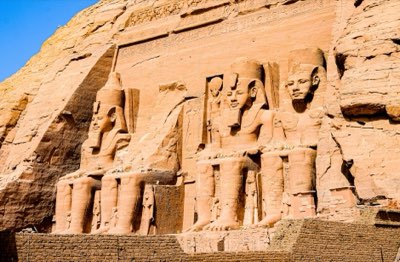
This allows you to visit the massive Karnak and Luxor temples on the first day and conclude with the stunning Philae Temple and the High Dam in Aswan.
Onboard, the experience is a blend of luxury and logistics. Your meals are typically served in a central dining room, and the schedule is dictated by the ship's arrival and departure times at various docks.
While the ship provides the bed and the buffet, the real "action" happens during the organized excursions when the boat docks and the buses depart for the temples.
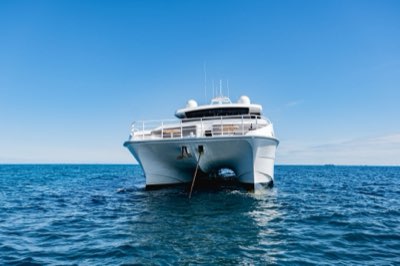
Choosing the right vessel is the most critical decision you will make. There is a significant difference between a standard mid-range cruiser and a luxury dahabiya (a traditional wooden sailing boat). If you want modern amenities and large pools, a standard cruiser is best.
If you want an authentic, quiet, and intimate experience, look for a smaller vessel. The daily rhythm usually follows a pattern: an early morning departure for a site visit, a mid-day return to the ship for lunch and perhaps a nap, and an afternoon of scenic sailing or a second excursion.
This structure ensures you aren't exhausted by the time you reach the next temple. However, the logistics of the cruise are only one part of the puzzle. How do you fit this into a larger trip?
How can I maximize my immersion in Egypt? I remember standing on the balcony of a hotel in Cairo, looking at the sprawling metropolis, and thinking how different the quietness of the Nile would feel. The transition from the urban sprawl to the river valley is the most profound shift in an Egyptian itinerary.
To make the most of a 3-night cruise, you should structure your trip with "bookends." A common and effective structure is to spend 3–4 days in Cairo first to see the Giza Pyramids and the Egyptian Museum, followed by the 3-night cruise, and ending with a few days of relaxation at a Red Sea resort like Sharm El Sheikh or Hurghada.
This creates a perfect thematic arc. Cairo represents the scale and the political power of the Pharaohs, while the Nile cruise represents the lifeblood and the spiritual heart of the civilization.
Moving from the desert sands of the North to the lush greenery of the Nile Valley provides a sense of geographical and historical progression.
Some travelers might wonder if they should swap the cruise for land travel. If you prefer total flexibility—the ability to change your plans on a whim or visit remote desert oases—land travel via train or private driver might be better.
However, the cruise offers a level of convenience and scenic beauty that is difficult to replicate on the road.
Timing is also essential. Ensure your flight arrivals and departures align with the cruise embarkation and disembarkation points. Most cruises depart from either Luxor or Aswan at specific times of the day, and you will need to coordinate your domestic flights or train rides to match these windows.
But what should you actually do once you step off the boat?

Beyond the Cruise: Essential Context for Your Trip
The heat hit the pavement in a wave as we stepped off the air-conditioned bus and into the bright, white light of the desert. There is a specific smell to the Egyptian air—a mix of dust, spices, and ancient stone—that stays with you long after you leave.
According to the World Bank, Egypt recorded international tourist arrivals of 13,026,000 in 2019. Before you depart, you must handle the practicalities. Most travelers will need a visa, which can often be obtained upon arrival at major airports like Cairo or Luxor.
Tipping, or *baksheesh*, is a deeply ingrained part of the culture. It is customary to tip guides, drivers, and even hotel staff for small services. Carrying small denominations of Egyptian Pounds is essential for this.
Security and logistics are also key considerations. While the Egyptian government maintains significant security around major tourist sites and cruise routes, it is always wise to stay informed through official travel advisories.
The cruise routes themselves are generally very secure and well-monitored.
When packing, think about the extremes. You will face intense daytime heat and potentially chilly evenings, especially on the water. Light, breathable clothing is a must, but remember to pack modest attire for visiting religious sites. Sun protection and comfortable walking shoes are non-negotiable.
Finally, keep the cultural context in mind. You are traveling through a land where the Nile has dictated the rhythm of life for millennia. Understanding the relationship between the river and the ancient Egyptian civilization adds a profound layer of meaning to every temple and tomb you visit.
How to Plan Your 4-Day Nile Itinerary
To ensure you don't miss a single moment of the magic, follow this structured approach to organizing your time on the water.
- Confirm Your Route and Direction: Decide between Luxor-to-Aswan or Aswan-to-Luxor. Check if your vessel's schedule aligns with your arrival flight in Egypt.
- Book Your "Bookends" First: Secure your Cairo hotel and your Red Sea resort before booking the cruise. This ensures the transit dates between cities are seamless.
- ly.
- Pack for the Micro-Climates: Pack lightweight linen for the daytime and a light jacket for the breezy evenings on the boat deck.
- Organize Your Currency: Carry a mix of large and small Egyptian Pound notes. Keep the small ones in a separate, easily accessible pocket for quick tipping.
- Schedule Your Site Visits: Coordinate with your cruise coordinator to ensure you have enough time for the early morning temple visits and the mid-day rest periods.
Frequently Asked Questions
Is 3N/4D enough time to see the highlights? Yes, if you are focused. This duration is designed to cover the most significant sites in Upper Egypt (Luxor and Aswan) without the fatigue of a longer journey.
It is an excellent choice for travelers who want to see the "must-sees" while still having time for other parts of Egypt.
Should I go from Luxor to Aswan or Aswan to Luxor? Both directions are excellent. Going from Luxor to Aswan allows you to see the massive temples first and end with the scenic beauty and relaxation of Aswan. Going from Aswan to Luxor is often seen as a "build-up" to the grander monuments.
Check the specific itinerary of your chosen vessel.
What is the difference between a cruise and a dahabiya? A cruise ship is larger, typically featuring more amenities like pools and larger dining halls, and can hold many more passengers.
A dahabiya is a smaller, traditional sailing vessel that offers a much more intimate and slow-paced experience, often visiting smaller docks that larger ships cannot reach.
Is the water safe to drink? No. Always stick to bottled water, even for brushing your teeth. Most cruise ships provide bottled water for guests, but it is best to carry your own supply during excursions to avoid any issues.
How much should I tip? Tipping is expected and appreciated. For a cruise, you can often settle tips for the crew and guides through the cruise company at the end of the journey, but it is also common to tip individual guides and porters in cash.
Always check with your cruise operator regarding their specific tipping policy.
Comments 0