Visit Egypt Safely: A Guide to Tipping and Dress Codes
"The desert sun is relentless, but the shadows of the pharaohs are even longer."
Navigating Egypt requires a balance of curiosity and caution. To make the most of your journey, you must understand the local customs regarding safety, tipping, and dress.
* Safety: Major tourist hubs are secure, but stay alert to persistent street vendors. * Tipping (Baksheesh): Small cash gestures are a standard part of daily social interactions. * Dress Code: Modesty is key; covering shoulders and knees shows respect for local traditions.
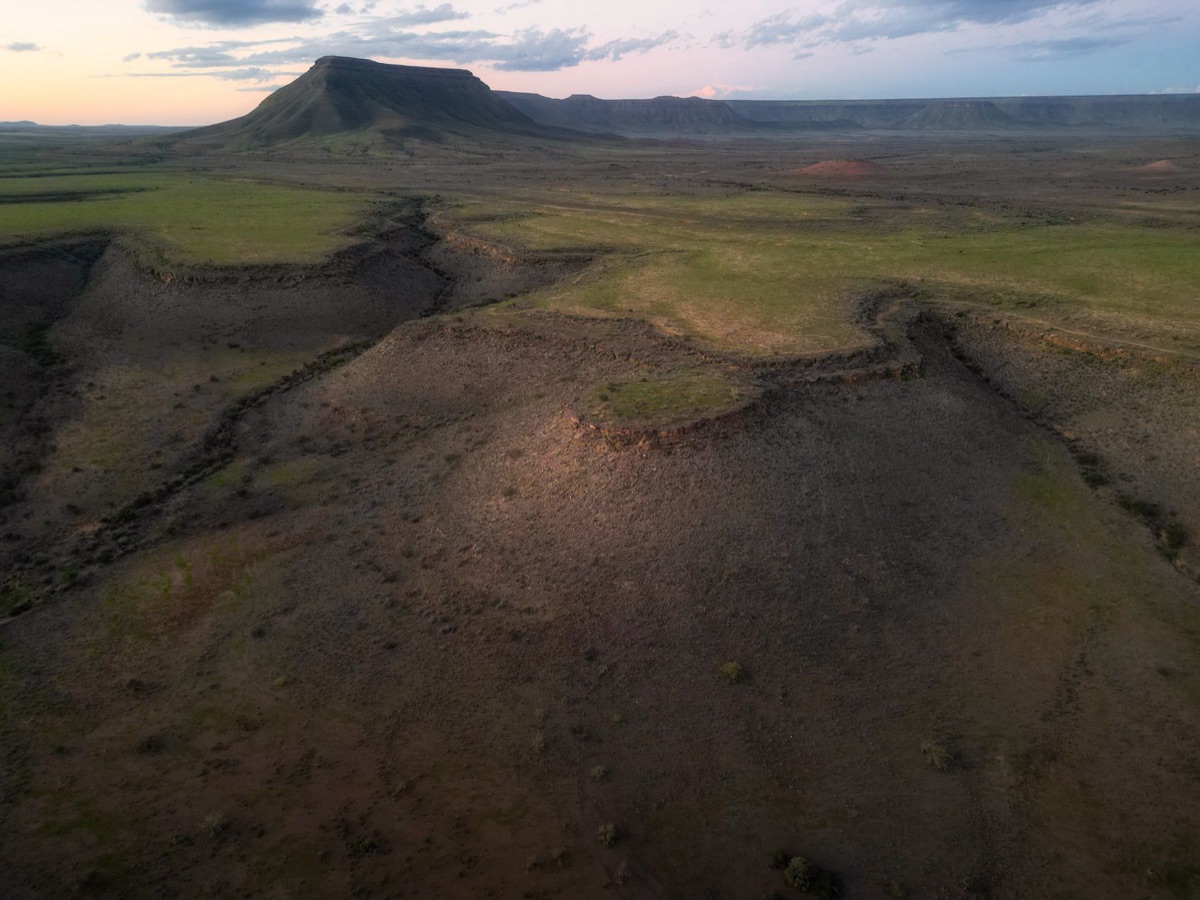
Why does traveling in Egypt feel so intense?
In the late afternoon of a humid Cairo day, you sit in the back of a taxi, watching the chaotic flow of traffic and pedestrians. The air is thick with dust and the smell of street food, and as you look at the sprawling city, a sense of uncertainty creeps in. Is it safe to wander alone?
According to the International Organization for Migration, Egypt hosts a migrant population of over 9 million, constituting 8.7% of the country's total population.
Egypt is a living museum of human history. According to World Bank data, Egypt recorded international tourist arrivals of 13,026,000 in 2019. People flock here to see sights that have stood for millennia, but the environment can change rapidly.
For example, during the Egyptian Revolution of 2011, the number of visitors plummeted by over 37 percent, falling from 14 million in 2010 to 9 million by the end of 2011.
The tension often comes from the "unpredictability" of the environment. The mix of ancient traditions and modern hustle can be overwhelming. However, once you learn the unspoken rules of engagement, that tension transforms into the thrill of discovery.
How do you handle security and persistent strangers?
Imagine standing near the Great Sphinx, trying to frame a perfect shot of the pyramids. A local approaches you with a wide smile, offering to take your photo or guide you to a "secret" viewpoint. Once the photo is taken, the tone shifts, and a request for money follows.
It is a common moment of friction for many travelers.
While the country is generally safe for tourists, the sheer volume of people in certain areas can lead to aggressive solicitation. Giza, located 20 km southwest of Cairo, holds the Great Sphinx and the Great Pyramids, and because of its popularity, it is a hotspot for these interactions.
To navigate these waters effectively, follow these strategies:
- The Polite Refusal: A firm but polite "No, thank you" accompanied by a hand gesture is often enough to end an interaction.
- Pre-Arranged Transport: Using reputable car services or apps helps avoid the constant negotiation of taxi fares.
- Cash Management: Keep your large bills in a hotel safe and carry only enough small change for daily expenses.
How much should you pay for "Baksheesh"?
You sit at a small table in a Luxor cafe, the sound of clinking tea glasses filling the air. As you finish your meal, you realize the bill doesn't include a service charge, and you wonder how much is appropriate to leave for the waiter. This is the reality of *baksheesh*.
Baksheesh is more than just a tip; it is a social lubricant used to acknowledge service or assistance. It is a way of maintaining social harmony in a culture where small gestures of gratitude are expected.
| Situation | Recommended Approach | Note |
|---|---|---|
| Hotel Bellhop | Small amount of local cash | Hand it over immediately after luggage is placed. |
| Restaurant Dining | Extra cash if service isn't included | If a service charge is on the bill, extra tipping is optional. |
| Guides/Drivers | Gratuity at the end of the service | Follow any pre-agreed rates for private tours. |
| Public Facilities | Very small amount of change | Avoid paying for services that should be free. |
When I first traveled through the Nile Valley, I often felt awkward reaching for my wallet after every small interaction. I learned that carrying a stack of 10 and 20 Egyptian pound notes makes these moments much smoother. Always carry plenty of small-denomination Egyptian pounds.
Handing over a large bill for a tiny service can lead to awkwardness or even more requests for money.
What is the appropriate way to dress?
The heat of the midday sun hits you like a physical weight as you walk through a crowded marketplace. You notice that your light t-shirt draws eyes from local elders, and you realize you might be underdressed for the setting.
According to a 2008 report by the World Health Organisation, an estimated 91.1% of Egypt's girls and women aged 15 to 49 have been subjected to genital mutilation.
In a country with deep Islamic roots, your wardrobe is your first line of communication.
Respecting local values is the easiest way to blend in and avoid unnecessary attention. While Egypt is not as restrictive as some other nations, modesty is highly valued.
* Cover Shoulders and Knees: This applies to everyone. For men, avoiding very short shorts is wise; for women, longer skirts or trousers are preferred. * Lightweight Fabrics: Choose linen or light cotton. These materials provide coverage from the sun while remaining breathable. * The Versatile Scarf: For women, a large scarf is an essential tool. It can be used to cover shoulders or hair when entering religious sites or during sudden changes in setting.
Dressing modestly sends a signal that you are a respectful visitor, which often results in more genuine interactions with locals.
Navigating the major travel routes
A classic Egyptian itinerary often begins in the north and moves toward the south. Understanding the geography helps you plan your energy and your budget.
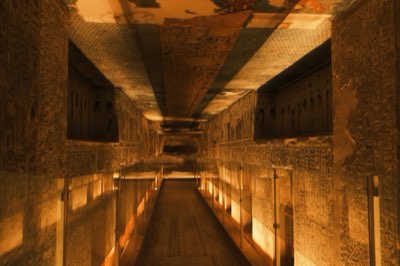
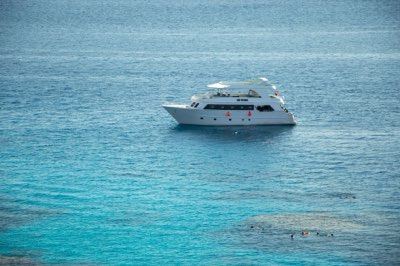
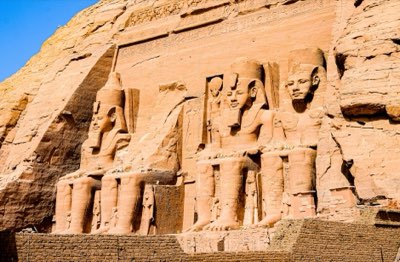
* Cairo and Giza: The heart of the country. Beyond the pyramids, you can visit Saqqara, a vast ancient burial ground 30 km south of Cairo that served as the necropolis for Memphis. * Luxor: Located about 500 km south of Cairo, this was the site of the ancient city of Thebes. It is essentially an open-air museum of massive temples. * Aswan and Abu Simbel: Further south, near the border, you find the massive rock temples of Abu Simbel, carved during the reign of Ramesses II. * The Red Sea Coast: For a change of pace, head to Hurghada or the El Gouna Resort, located 25 km from Hurghada International Airport. These areas are famous for snorkeling, diving, and vibrant nightlife.
| Region | Primary Feature | Top Activity |
|---|---|---|
| Cairo/Giza | Birthplace of Civilization | Pyramid exploration and museum visits |
| Luxor | World's Largest Open-Air Museum | Valley of the Kings and Karnak Temple |
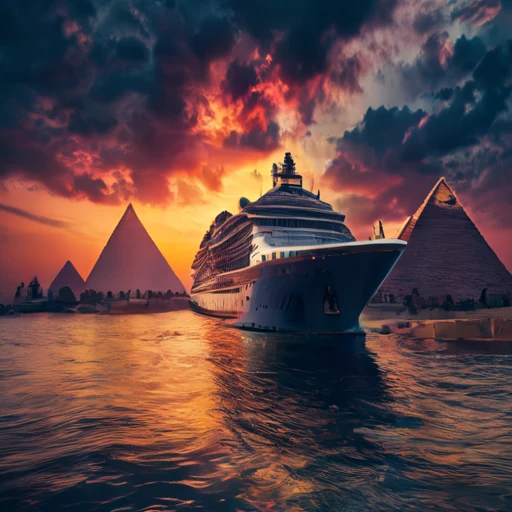
| Aswan | Nile Charm and Nubian Culture | Abu Simbel tours and river cruises |
| Red Sea | Underwater Paradise | Scuba diving and snorkeling |
Your pre-trip checklist
Before you board your flight, run through this list to ensure you aren't caught off guard by the transition to Egyptian life.
- Document Check: Ensure your passport is valid for at least six months and check current visa requirements for your nationality.
- Currency Strategy: Bring USD for exchange, but ensure you get plenty of local Egyptian pounds in small denominations upon arrival.
- Health Kit: Pack digestive medicine and rehydration salts. Changes in water and food can be a shock to the system.
- Sun Protection: High-SPF sunscreen, polarized sunglasses, and a wide-brimmed hat are non-negotiable.
- Hydration Rule: Only drink bottled water. Avoid ice in drinks unless you are certain of the water source.


Comments 0