Tutankhamun Tomb: Gold Reveals 18th Dynasty Egyptian Life
"The gold of the pharaohs does not just shine; it speaks of a civilization that mastered the transition between life and eternity."
The discovery of Tutankhamun's tomb remains the most significant archaeological event of the 20th century, offering a pristine look at the wealth of the 18th Dynasty.
* The intact nature of the tomb provided a rare, unlooted glimpse into New Kingdom funerary practices. * The artifacts reveal a transition period of intense religious and political change in Egypt. * The craftsmanship of the gold mask sets a global standard for ancient artistry and symbolic power. * The discovery reshaped modern Egyptology and continues to drive global interest in the Nile Valley.
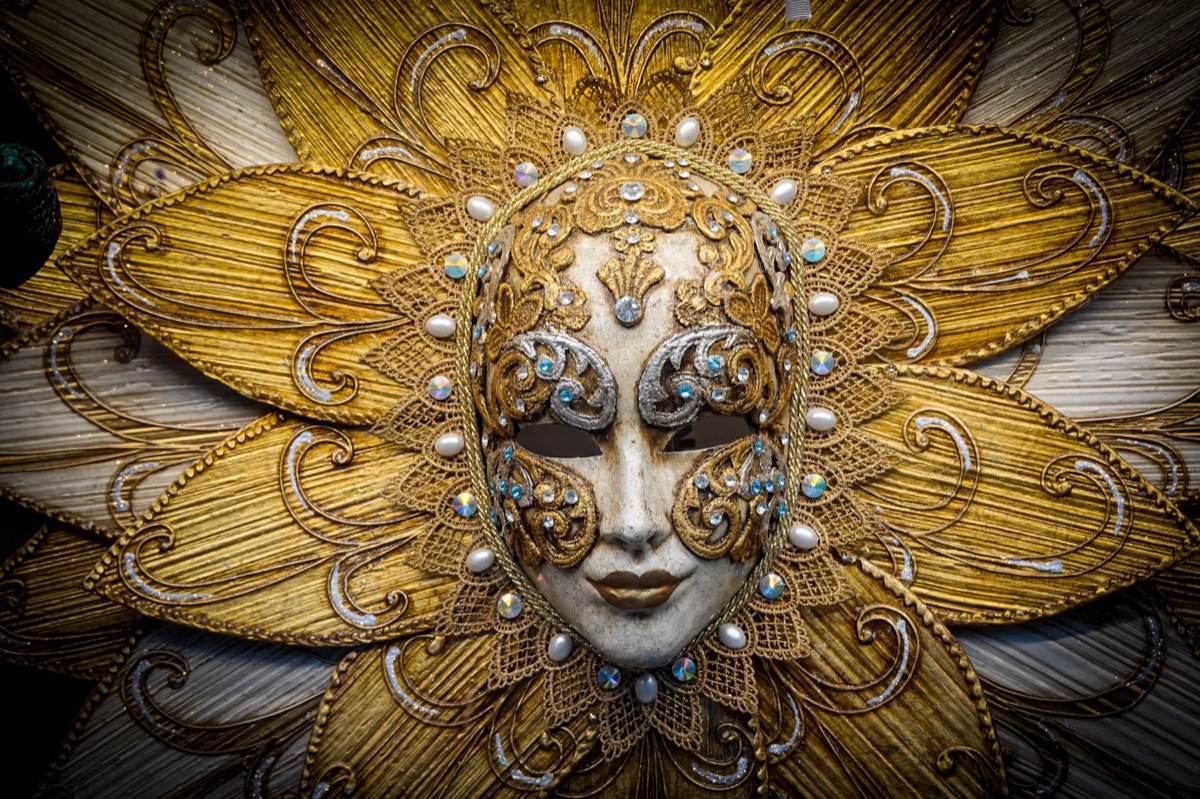
Who was the boy king, Tutankhamun? The hot desert wind whipped through the Valley of the Kings as a young boy sat upon a throne he was perhaps too small to occupy. He was a king of transition, a child of a tumultuous era where the very gods of Egypt were being rewritten.
Tutankhamun rose to power during the late 18th Dynasty, a period of profound instability. He was the son of Akhenaten, the "heretic king" who had attempted to upend centuries of tradition by enforcing a monotheistic worship of the sun disk, the Aten.
This radical shift had fractured the social and religious fabric of Egypt. Tutankhamun’s reign was defined by the delicate task of healing that fracture.
He moved the capital back to Memphis and restored the traditional polytheistic worship of Amun, effectively undoing much of his father's revolution.
Though his reign was brief—likely ending in his late teens—his political impact was monumental. He was not a conqueror of nations, but a restorer of order. By reinstating the old priesthoods and traditional religious orthodoxy, he ensured the continuity of the Egyptian state.
His life was a whirlwind of ritual and responsibility, a struggle to balance the radicalism of his lineage with the heavy weight of ancestral tradition.
But how did a hidden tomb in a remote valley manage to survive the looting that claimed so many other royal burials?
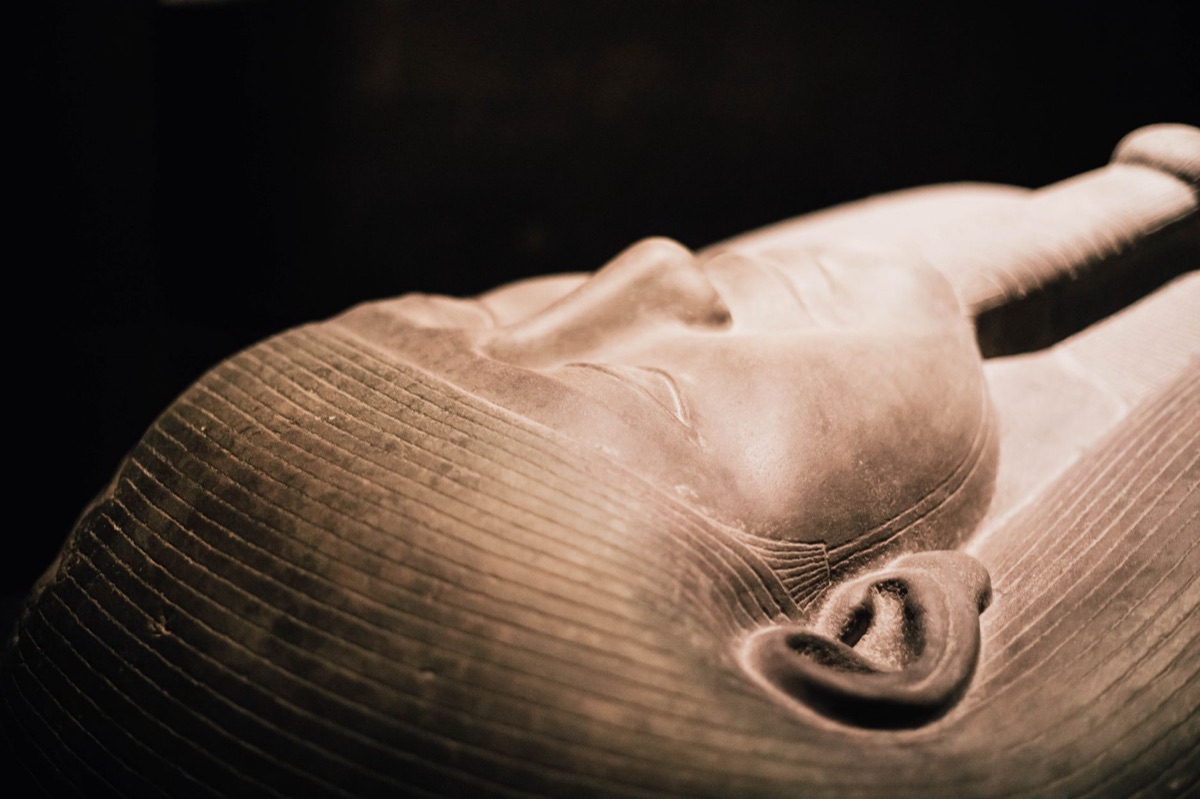
How was the tomb discovered in the race against time? In the late afternoon of November 4, 1922, Howard Carter stood in a dusty trench, peering through a small opening in a stone step. He held a flickering lamp, his eyes searching the darkness for something more than just more sand and rubble.
The discovery of the tomb was not a sudden stroke of luck but the result of years of grueling, methodical excavation. Carter and his team had faced skepticism from the archaeological community and dwindling funding, yet they persisted in the Valley of the Kings.
When they finally breached the entrance to the burial chamber, they didn't find the empty voids common in royal tombs; they found a treasure trove that had been hidden by the debris of later tomb construction.
The sheer volume of artifacts was overwhelming. Unlike the great tombs of Ramses or Seti, which had been picked clean by grave robbers centuries earlier, Tutankhamun's tomb remained largely intact.
This preservation was a miracle of chance, likely due to the tomb's location being obscured by the rubble of a later tomb built by another official.
The meticulous cataloging process that followed took years, as the team worked to document every single item, from the smallest amulet to the massive golden sarcophagus, ensuring that the context of each find was preserved for history.
The sheer weight of the gold was only the beginning of the story.
The Golden Mask and Beyond: Artifacts of Divine Kingship
The heavy scent of incense and the dim light of a torch once illuminated a scene of unimaginable wealth within the burial chamber. A craftsman's hand, working with precision and heat, had shaped the very essence of a god.
The centerpiece of the find is the solid gold death mask, a masterpiece of ancient metallurgy. It is not merely a portrait; it is a ritual tool designed to allow the king's soul to recognize its body in the afterlife.
The mask, crafted from heavy sheets of gold and inlaid with lapis lazuli and quartz, captures the idealized, eternal face of the pharaoh. It represents the transition from a mortal ruler to a divine being.
Beyond the mask, the tomb contained a vast array of funerary objects designed to facilitate the king's journey through the underworld. This included canopic jars to hold internal organs, intricate amulets meant to protect the body, and nested sarcophagi.
The materials—gold, turquoise, carnelian, and lapis lazuli—were chosen not just for their beauty, but for their symbolic connection to the sun and the heavens. The craftsmanship demonstrates a level of technical mastery in gold-smithing that remains a benchmark for luxury goods even today.
But why does a king who ruled so briefly still command such massive attention in the 21st century?
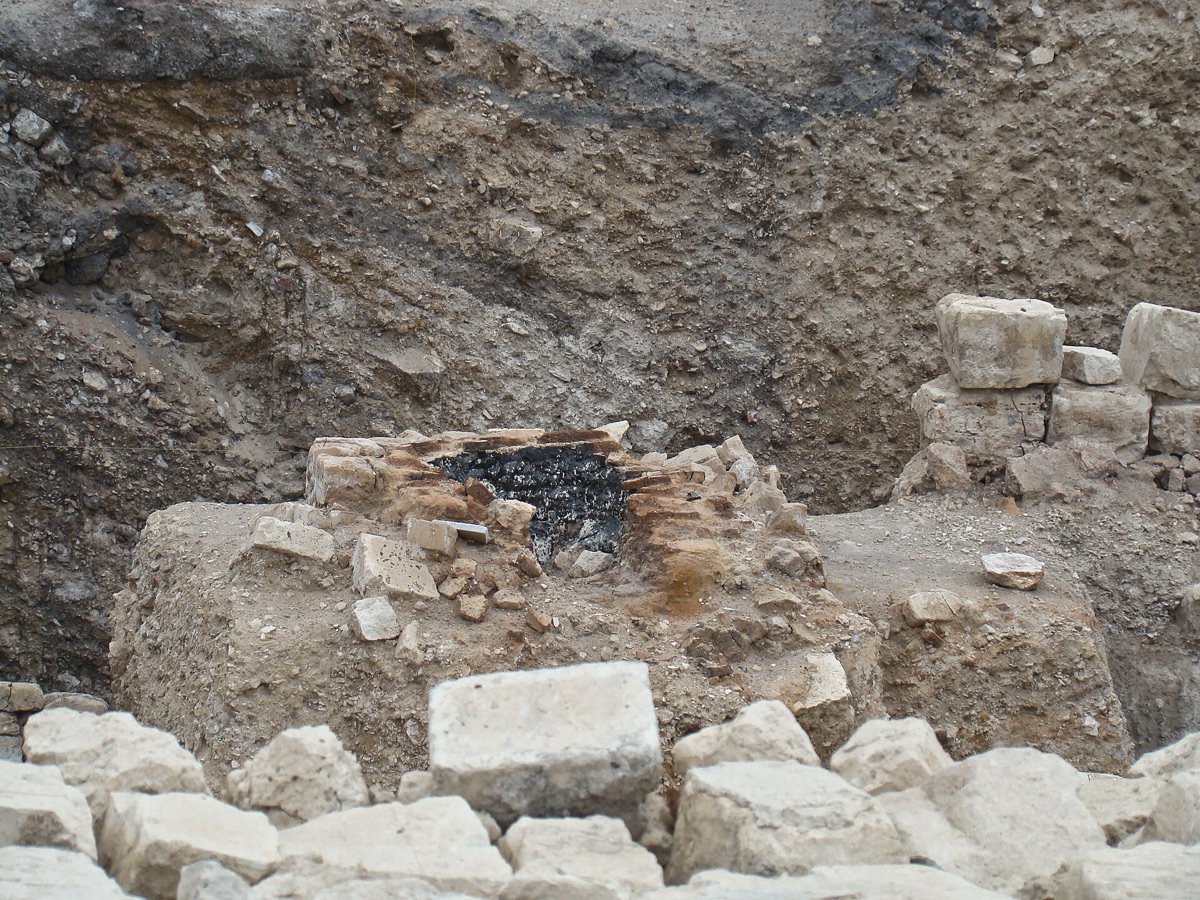
Echoes of His Era: Tutankhamun in the Context of Ancient Egypt
A scribe sat in the shadow of a great temple, recording the names of gods that had ruled since the beginning of time. The transition from the old ways to the new was written in the very stone of the monuments.
According to World Bank, Egypt recorded international tourist arrivals of 13,026,000 in 2019.
The reign of Tutankhamun reflects the artistic zenith of the late Amarna Period. While the radicalism of his father had caused upheaval, it also introduced a new, more naturalistic style of art that blended with traditional forms.
The tomb's contents show a society that was deeply integrated with its religious identity. Every object, from a simple chair to a ceremonial dagger, was infused with spiritual purpose.
The scale of the treasures suggests a highly organized societal structure capable of mobilizing immense wealth and skilled labor. While Tutankhamun was a minor king in terms of territorial expansion, the wealth found in his tomb reflects the peak of the 18th Dynasty's economic power.
The continuity of funerary rites seen in the tomb proves that despite the religious shifts of the Amarna period, the fundamental Egyptian belief in the afterlife remained the bedrock of their civilization.
Yet, as we look at these treasures through museum glass, we must ask what they truly mean for us today.
Why Does This Matter Today? The Legacy of the Tomb
In a modern museum, a visitor stands before a glass case, eyes wide as they catch the glint of ancient gold. The silence of the hall is a sharp contrast to the bustling streets of Cairo just a few miles away.
The discovery of Tutankhamun's tomb changed the way we view the ancient world. It turned Egyptology from a niche academic pursuit into a global phenomenon. It provided a tangible link to a civilization that often felt lost to the sands of time.
Today, the artifacts serve as a cornerstone of Egyptian national identity and a primary driver of cultural tourism.
However, the legacy also brings challenges. The preservation of such delicate gold and organic materials requires constant, high-tech intervention. There is also the ongoing debate regarding the repatriation of cultural heritage and how these treasures should be shared with the world.
Despite these complexities, the "Boy King" remains a symbol of human ingenuity and the eternal quest to understand our place in history.
| Feature | Description | Significance |
|---|---|---|
| The Death Mask | Solid gold with semi-precious stone inlays | Represents the transformation of the king into a god. |
| Canopic Jars | Vessels for preserving internal organs | Essential for the physical integrity of the body in the afterlife. |
| Nested Sarcophagi | Multiple layers of coffins | Protects the king through various stages of the funerary ritual. |
| Amulets | Small, symbolic jewelry | Provides magical protection during the journey to the underworld. |
How to Process the History of the Boy King
If you are planning to study or visit the sites related to this era, follow these steps to maximize your understanding:
- Contextualize the Dynasty: Always start by understanding the 18th Dynasty's role in the New Kingdom to grasp why the religious shifts mattered.
- Visit the Grand Museums: View the original artifacts in Cairo to see the scale and detail that photographs cannot capture.
- Study the Amarna Period: Research the reign of Akhenaten to understand the artistic and religious tension present in Tutankhamun's era.
- Map the Valley of the Kings: Walk the actual terrain of Luxor to understand the geography that kept the tomb hidden for millennia.
When I first stood in the shadow of the Valley of the Kings, the sheer scale of the limestone cliffs made the history feel heavy, almost physical. It wasn't just a site; it was a silent witness to the passage of thousands of years.
#




Comments 0