Nile Cruise 3-4 Days: See Luxor & Aswan's Highlights Fast
"The river doesn't just flow past history; it carries you through it."
If you only have a few days to witness the grandeur of Upper Egypt, a 3-night, 4-day Nile cruise is often the most efficient way to see the heavy hitters like Luxor and Aswan without the constant stress of packing and unpacking.
It turns transit time into sightseeing time, moving you between temples while you lounge on a sun deck.
Key Takeaways * A 3-night/4-day cruise is the perfect "highlight reel" for travelers focusing on Luxor and Aswan. * It solves the logistical headache of moving between ancient sites by providing a floating hotel.
* Success depends on balancing the cruise with a Cairo-based leg to see the Pyramids.
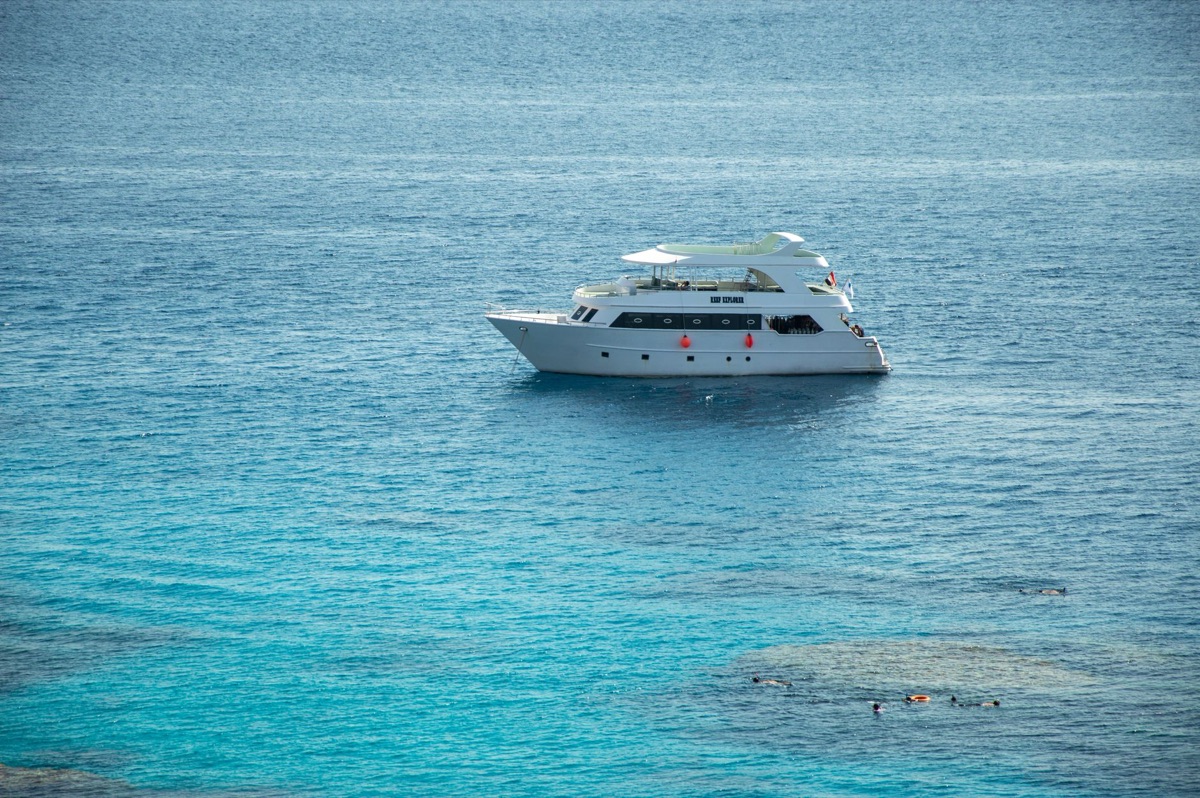
Why a 3-Night Cruise Beats a Rushed Road Trip
At dawn in Luxor, I gripped a warm ceramic mug while watching the golden light wash over the distant desert hills.
I remember standing on a balcony in Luxor at 6:00 AM in late 2025, watching the golden light hit the West Bank while sipping a quiet coffee.
If I had been driving a rental car or catching local trains between cities that morning, that moment of quiet awe would have been replaced by the chaos of traffic and navigation.
Choosing a cruise for a short trip is a decision of efficiency versus exploration.
While a 7-day cruise allows for a slower, more exhaustive deep dive into every minor tomb and village, a 3-night itinerary acts as a high-speed, high-luxury bridge between the two greatest archaeological hubs in the country.
You aren't just moving from point A to point B; you are moving through a landscape that has remained fundamentally unchanged for millennia.
A 3-day cruise allows you to skip the logistical exhaustion of constant hotel hopping, which is crucial when you are trying to balance your trip with other destinations like the Red Sea or Cairo.
It answers the "is this enough time?" question by focusing on the most impactful sites while providing a stable home base.
But choosing the right itinerary is only half the battle.
What does a typical 3-night/4-day itinerary look like? The sun was just beginning to bake the desert sand when our first guide met us at the docks in Aswan in early 2026, signaling the start of a whirlwind journey.
For a 3-night itinerary, travelers usually choose between an Aswan-to-Luxor route or a Luxor-to-Aswan route, depending on their flight arrivals.
A standard, well-paced 3-night itinerary usually looks like this:
- Day 1: Embarkation and Arrival. You arrive in either Luxor or Aswan, check into your cabin, and begin with a major temple visit. If starting in Aswan, you might visit Philae Temple; if starting in Luxor, you might head straight to Karnak.
- Day 2: The Heart of the River. This is often the transit day where the ship moves between major hubs. Typical stops include the Temple of Kom Ombo or Edfu. This is when you experience the "living" Nile—watching farmers work the banks as the ship glides past.
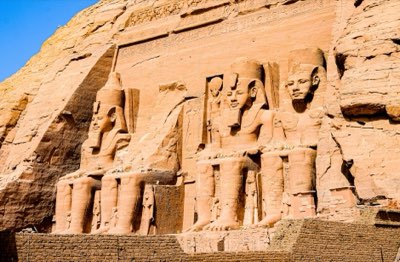
- Day 3: The Grand Finale. Usually, this involves the most intensive sightseeing, such as the Valley of the Kings in Luxor or the massive Abu Simbel excursion if your itinerary is customized.
- Day 4: Disembarkation and Departure. After breakfast, you check out and head to the airport.
This schedule ensures you hit the "must-sees" while leaving enough breathing room to actually enjoy the ship's amenities.
However, the logistics of the ship itself can make or break the experience.
How do I select my perfect vessel and segment? I once sat in a plush velvet chair on a luxury cruiser, looking out at a humble wooden felucca passing by, and realized that the "best" ship is entirely subjective. Some travelers want a floating palace, while others want a quiet, traditional experience.
When selecting your cruise, you must weigh luxury against itinerary.
| Feature | Luxury Large Cruises | Traditional Feluccas/Small Boats |
|---|---|---|
| Amenities | Pools, dining rooms, AC, entertainment | Minimal, local, highly authentic |
| Stability | High (large engines, stable hulls) | Low (subject to wind and waves) |
| Access | Larger docks, often further from sites | Can dock closer to small village spots |
| Best For | Families and first-time luxury seekers | Adventurers and solo travelers |
Decision Points for Booking: * The Route: Ensure the ship's direction matches your flight path. If you fly into Cairo and then to Aswan, an Aswan-to-Luxor route makes perfect sense for your departure.
* Inclusions: Always confirm if meals, entry fees to sites, and transfers are included. Some "budget" cruises charge extra for every single excursion, which can quickly erase your savings.
* Ship Age: In Egypt, newer ships often have better air conditioning and modern plumbing, which are non-negotiable for comfort in the desert heat.
But what happens when you step off the boat and back into the dust of the desert?

Beyond the River: Pairing Experiences
The desert heat was thick as we sat in a small cafe in late 2025, looking at a map that stretched from the Nile to the Red Sea. A cruise is a magnificent centerpiece, but it shouldn't be your entire trip if you want a complete Egyptian experience.
To maximize your value, you must pair the cruise with other distinct Egyptian landscapes.
* The Cairo Connection: No trip to Egypt is complete without seeing the Giza Plateau. Most travelers fly into Cairo, spend 2-3 days seeing the Pyramids and the Egyptian Museum, and then take a short flight to Aswan to begin their cruise. * The Red Sea Escape: If you have 10 days or more, adding a stop in Hurghada or Sharm El-Sheikh after your cruise is highly recommended. After days of dusty temples, the turquoise waters of the Red Sea offer a perfect sensory reset. * Specialized Day Tours: Consider adding a hot air balloon ride over Luxor at sunrise. It is a bucket-list item that complements the river journey perfectly.
Even with a perfect plan, the reality of local life can still catch you off guard.
Essential Traveler Intelligence
Walking through a crowded bazaar, I learned quickly that a polite nod and a small gesture can go a long way in navigating local customs. According to the World Bank, Egypt recorded international tourist arrivals of 13,026,000 in 2019.
To ensure your 3-night cruise is smooth, keep these practicalities in mind:
1. Navigating Baksheesh (Tipping) Tipping is an integral part of Egyptian culture. It is expected for various services, from luggage handlers to room cleaners. It is best to carry small denominations of Egyptian Pounds to handle these small, frequent transactions gracefully.
2. Dress Code and Respect While cruise decks are casual, visiting temples requires modesty. Aim for lightweight, breathable fabrics that cover your shoulders and knees. This is not just about respect for local culture, but also protection against the intense sun.
3. Water and Food Safety Always stick to bottled water, even for brushing your teeth if you have a sensitive stomach. On cruises, food is generally handled professionally, but always ensure your meals are served hot and vegetables are well-cooked.
4. Timing Your Visit The best time for a cruise is between October and April. During these months, the weather is pleasant for walking through ancient ruins. If you travel in the summer, be prepared for extreme heat that can make midday sightseeing difficult.
#


Comments 0