Egypt Travel Guide: Decoding Risks Beyond the Advisory
"The desert sun hits the Giza plateau with a blinding intensity, but the shadow cast by a political headline often feels much larger."
You stand at the edge of the Great Pyramid, looking up at stones that have outlasted empires, while simultaneously checking your phone for the latest travel advisory. It is a strange, modern tension: the desire to touch history versus the urge to stay within a secure bubble.
Key Takeaways
* Contextual Risk: Most travel advisories use broad language that generalizes risk; understanding the difference between political instability and tourist-targeted threats is vital. * The Gold Standard: Vetted, professional tour operators provide a security buffer that independent wandering often lacks, especially in high-traffic urban areas. * Regional Variance: While Cairo and Luxor are high-activity zones requiring constant situational awareness, Red Sea resorts offer a much more controlled, stable environment. * Real-Time Intel: Always cross-reference government advisories with local news, as political shifts can change the "safety" of a route overnight.
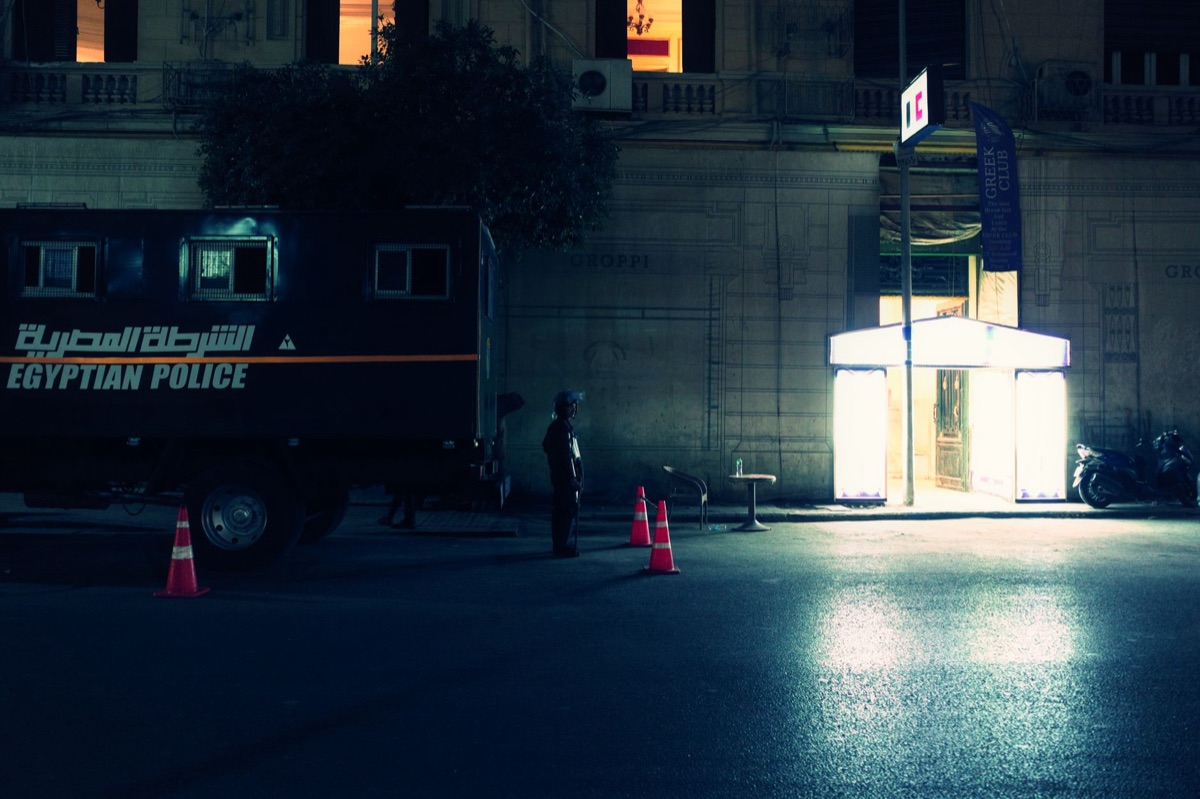
Why do travel advisories feel so overwhelming?
I remember sitting in a quiet café in Zamalek at 4:00 PM, watching a group of travelers pore over thick guidebooks, their faces tight with anxiety over a recent news alert. They were looking at a red-coded map, but they weren't looking at the peaceful, tree-lined street right in front of them.
According to the International Organization for Migration, Egypt hosts a migrant population of over 9 million, which constitutes 8.7% of the country's total population.
Travel advisories are often written in a way that sounds catastrophic to a casual reader, but they serve a specific bureaucratic purpose. A "Level 3" warning might imply a high risk of civil unrest, but for a traveler, that doesn't necessarily mean a street fight is happening outside your hotel.
It often refers to systemic instability or specific border regions that are not part of a standard tourist circuit.
The spectrum of risk in Egypt is wide. There is a massive difference between the high-profile, heavily policed zones like the Giza Plateau and the more unpredictable, low-profile outskirts of major cities.
While the tourism sector is a cornerstone of the economy—contributing more than 11% of GDP and 14.4% of foreign currency revenues at its peak—the security landscape is shaped by both local stability and global geopolitics.
Understanding these warnings requires looking at the *why*. Is the warning about terrorism, which is often targeted at specific high-value sites, or is it about general civil unrest?
Most travelers find that by staying on established routes, they are navigating a much different reality than the one described in a generalized government bulletin.
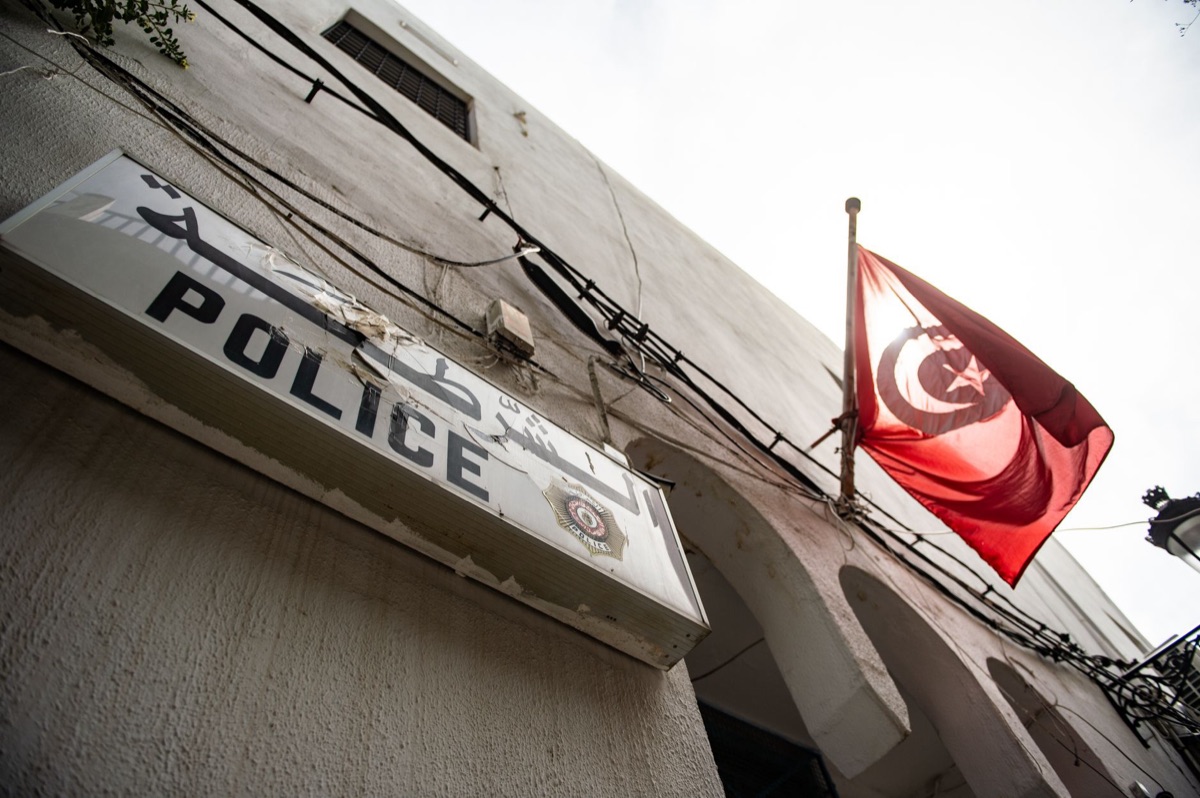
Is it actually safe in the tourist hotspots?
At a temple entrance in Luxor during the morning, the heavy slide of a security gate echoes through the air.
The sound of a heavy security gate sliding shut at a temple entrance in Luxor at 9:00 AM reminds you that you are in a country that takes its heritage—and its protection—seriously.
A 2008 report by the World Health Organisation estimated that 91.1% of Egypt's girls and women aged 15 to 49 have been subjected to genital mutilation.
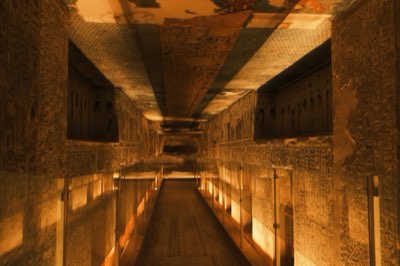
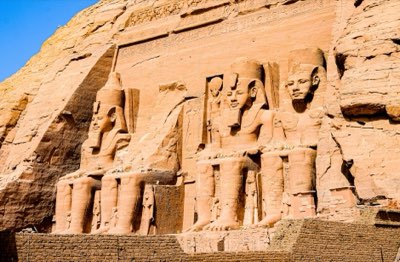
When you visit sites like the Pyramids of Giza, Karnak, or Abu Simbel, you are entering highly regulated environments. These sites often feature visible security, including police presence and checkpoints. This is not meant to intimidate travelers, but to manage the massive volume of people.
For context, in 2010, the tourism sector served approximately 14.7 million visitors, and that level of traffic requires significant logistical management.
In these hotspots, your primary concerns are rarely political; they are logistical. Pickpocketing in crowded markets near the Sphinx or navigating the sheer volume of people at a temple can be overwhelming. The difference between an ancient site and a modern urban center is stark.
While a temple might feel like a controlled bubble, moving through the dense, winding streets of Old Cairo requires a much higher level of situational awareness.
Reliable ground transport is your best friend. Using a private driver or a reputable tour company for transit between cities like Cairo and Luxor is often safer and more predictable than attempting to navigate local bus networks or hitchhiking.
How should you plan a safe itinerary?
I once watched a solo traveler try to navigate a local minibus from Cairo to Luxor at dawn, looking visibly shaken by the chaos of the transit. They had chosen the "adventurous" route, but they had neglected the security-to-convenience ratio.
According to World Bank data, Egypt recorded international tourist arrivals of 13,026,000 in 2019.
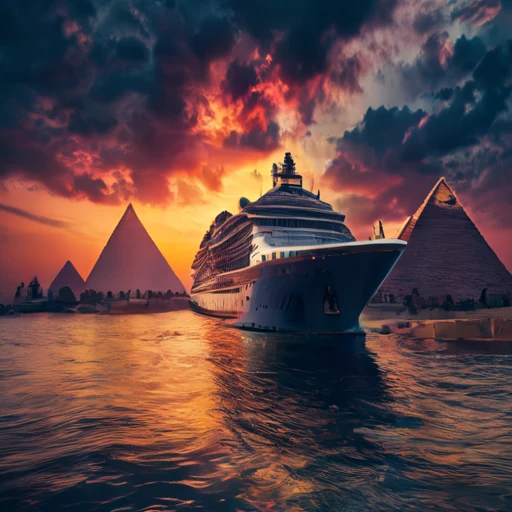
Choosing a "safe route" is often a matter of choosing a structured itinerary. For many, a Nile Cruise acts as a floating sanctuary. It provides a controlled environment where food, lodging, and transport are handled within a single, vetted ecosystem.
This is an excellent way to see the transition from Luxor to Aswan without the stress of constant logistical maneuvering.
You must decide between deep immersion and a security buffer. An independent traveler might find more "authentic" moments, but a guided tour offers a layer of protection and local knowledge that acts as a shield.
| Travel Style | Security Level | Autonomy | Best For |
|---|---|---|---|
| Guided Group Tour | High | Low | First-time visitors, families |
| Private Driver/Guide | Moderate-High | Moderate | Travelers seeking comfort and depth |
| Independent Travel | Moderate-Low | High | Experienced travelers, budget-focused |
The decision often boils down to the Cairo vs. South Egypt dynamic. Cairo is a sprawling, high-energy metropolis that requires constant vigilance, whereas the southern route (Luxor/Aswan) often feels more rhythmic and stable, though still requiring respect for local customs.
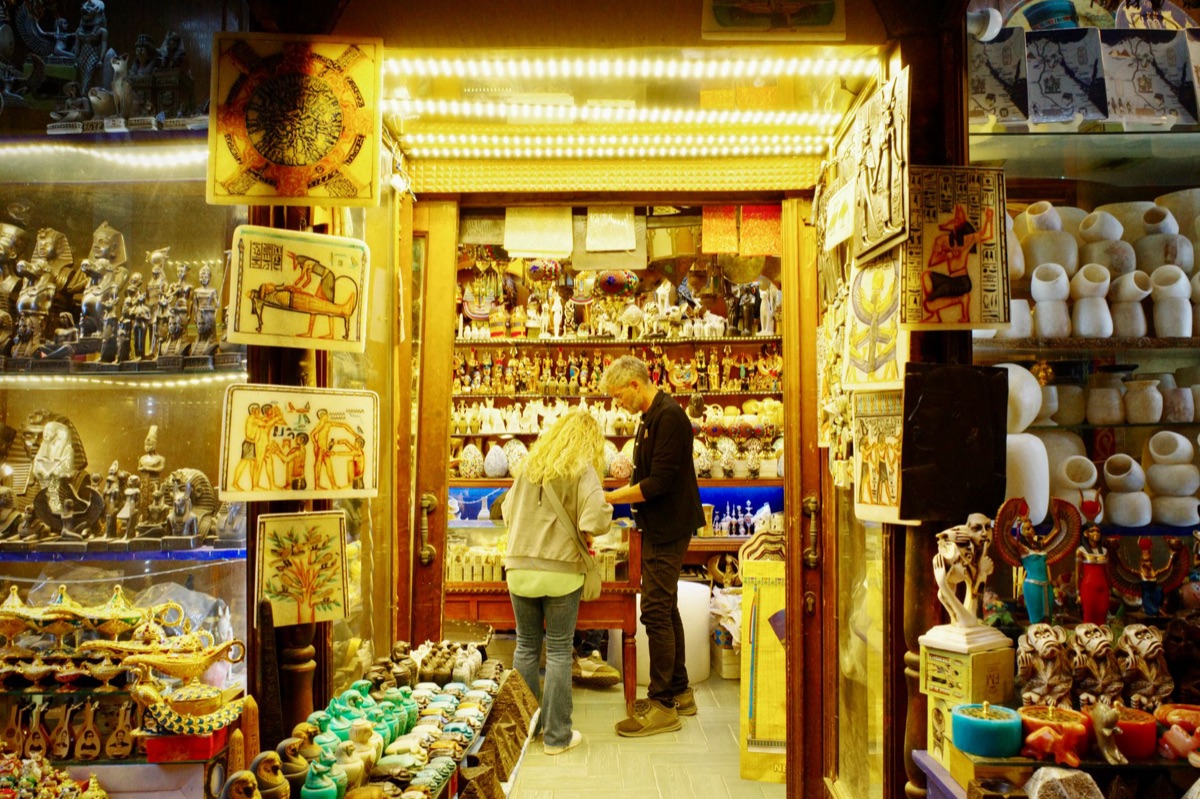
What about the daily realities of living and eating?
The sharp, sudden urge to haggle over a souvenir at a bazaar can lead to a heated argument, but it is often just a ritual of daily life.
Navigating daily life in Egypt requires a blend of cultural sensitivity and practical caution. Interaction with locals is generally friendly, but travelers should be wary of unsolicited offers or aggressive sales tactics in high-traffic areas.
This is often referred to as "hustling," and knowing when to politely decline is a vital skill.
Cultural safety is also about appearance. While Egypt is a modernizing nation, adhering to a modest dress code—especially when visiting religious sites or traveling in more conservative areas—is not just about respect; it is a way to avoid unwanted attention.
Practical safety also includes the basics: 1. Water Safety: Always stick to bottled or heavily filtered water. 2. Currency: Keep small denominations of Egyptian Pounds for tipping (Baksheesh), which is a deeply ingrained part of the social fabric. 3.
Situational Awareness: In busy markets, keep your belongings secure and stay aware of your surroundings.
Note that while these tips work for the vast majority of travelers, they do not guarantee total immunity from local unpredictability. Personal intuition and remaining observant are still necessary.
Is the Red Sea really an oasis of calm?
The transition from the dusty, historic streets of Luxor to the turquoise waters of Hurghada feels like stepping into a different dimension.
There is a profound difference between the unpredictable energy of an urban center like Cairo and the controlled environments of Red Sea resorts in Hurghada or Sharm El-Sheikh.
These coastal towns function almost as separate entities, where security is often integrated into the resort experience through gated entries and dedicated patrols.
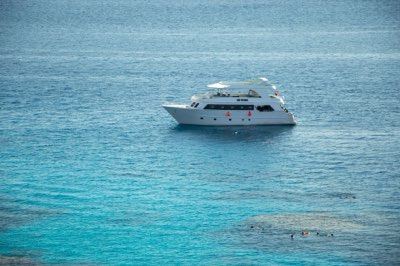
In these areas, the risks shift from political or social to recreational. Activities like scuba diving and snorkeling are incredibly safe when conducted through reputable, licensed operators, but they carry their own set of physical risks.
Moving between the coast and the inland ruins is a common itinerary. Travelers often use the Red Sea as a "decompression zone" to recover from the intensity of the desert tours.
When planning this transition, ensure your transport is booked through a reputable agency to maintain the security bubble you have established.
Comments 0