Ra's Solar Journey: Achieving Eternal Life in Ancient Egypt
"The sun does not merely rise; it conquers the darkness to begin the world anew."
To the ancient Egyptians, the sunrise was not a punctual astronomical event, but a hard-won victory. The journey of the sun god, Ra, through the underworld was the cosmic blueprint for how every soul hoped to achieve eternal life.
Key Takeaways * Ra’s nightly passage through the Duat represents the perilous journey of death and rebirth. * Successful navigation of the underworld ensures the solar rebirth at dawn and the maintenance of cosmic order.
* This mythological cycle mirrors the ancient Egyptian belief in cyclical existence and the afterlife.
What Was the Solar Bark of Ra?
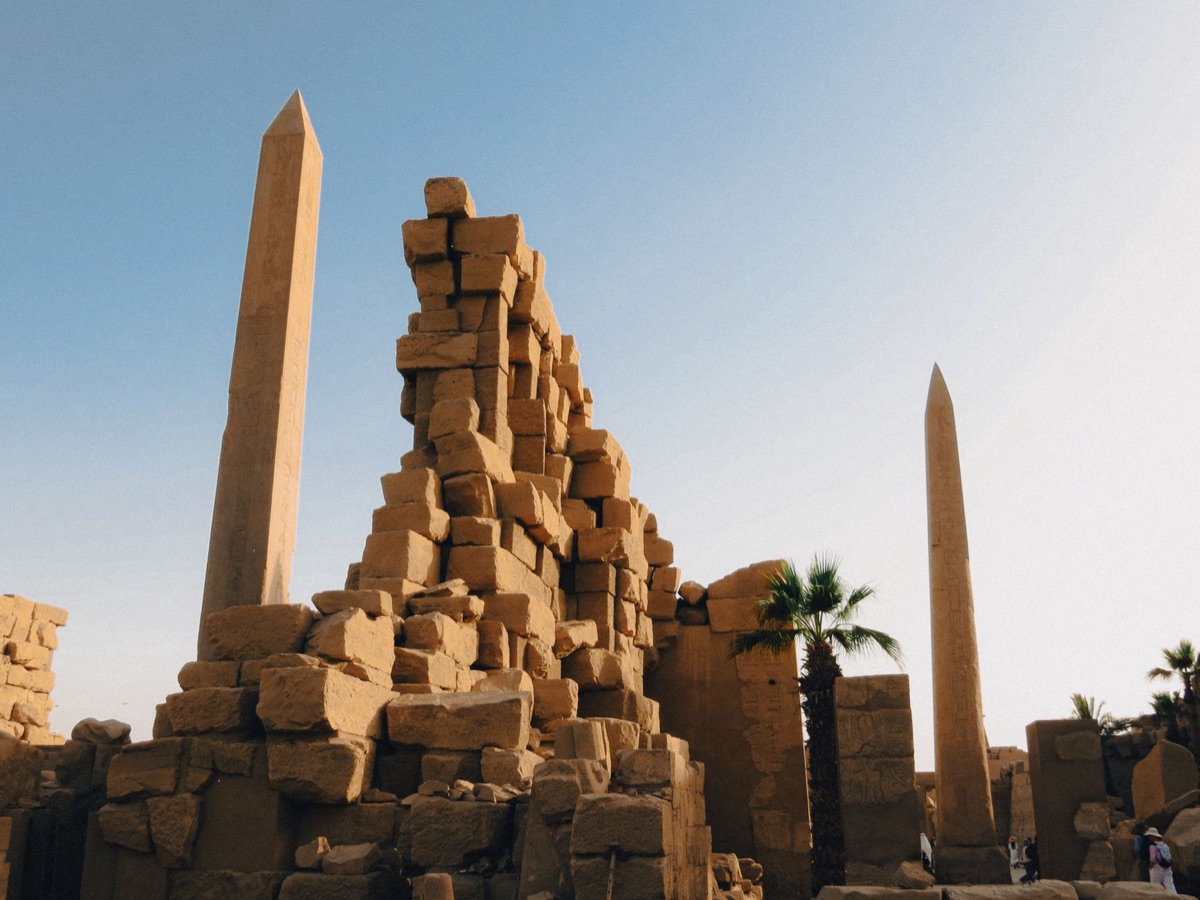
The orange glow of a desert sunset hits the limestone cliffs of the Nile Valley, casting long, stretching shadows that seem to swallow the world. According to World Bank data, Egypt recorded international tourist arrivals of 13,026,000 in 2019.
In the silence of the dusk, the ancient Egyptian believed the transition from day to night was the moment the solar barque, the sacred boat of Ra, began its most dangerous mission.
The journey begins at dawn, where Ra emerges as Khepri, the scarab god, representing the spark of creation and the raw force of life. As the sun climbs toward its zenith, the light is at its strongest, yet the inevocation of sunset marks the start of the descent.
When the sun dips below the horizon, the solar barque enters the Duat, the Egyptian underworld. This is not a peaceful drift. The nocturnal descent is a tactical movement through a realm of shadows and spirits.
The journey is fraught with dangers, most notably the great serpent Apep, who seeks to swallow the sun and plunge the world into eternal chaos.
The journey often parallels the myth of Osiris’s death and resurrection, where the solar power and the chthonic (underworld) power of Osiris merge to ensure life continues. But the dangers of the night were more than just symbolic.
The Anatomy of the Duat: How did they navigate the darkness?
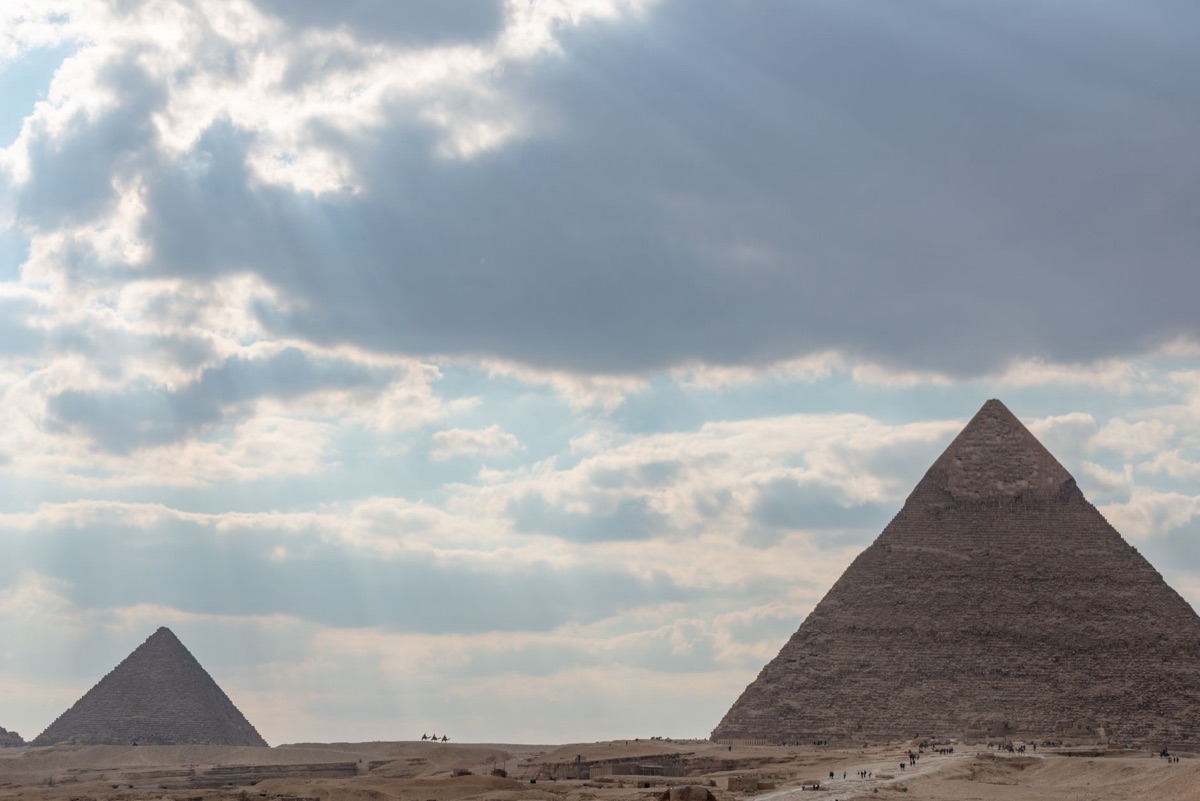
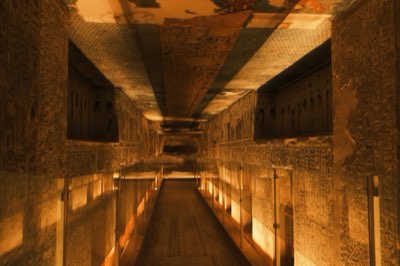
A traveler stands at the threshold of a darkened tomb, the air cool and smelling of dry dust and ancient stone. This threshold is the physical echo of the Duat, the mythological space where time and space bend to the will of the gods.
The solar barque and the soul’s journey are essentially the same mission. Just as Ra must navigate the underworld to bring light to the living, the deceased must navigate the afterlife to achieve eternal existence.
The Duat is organized into specific stages and gates, each guarded by terrifying entities that require specific knowledge and spells to pass.
During the night, the solar barque moves through various hours or "gates" of the underworld. Deities like Anubis, the jackal-headed guide, and Thoth, the god of wisdom and writing, play roles in the cosmic order, ensuring the transition of souls and the recording of truth.
Central to this entire process is the concept of Ma’at—the fundamental principle of truth, balance, and cosmic order. If Ra fails to maintain Ma’at during his passage, the universe itself would dissolve into chaos.
However, the greatest threat was not a lack of order, but a living force of destruction.
The Triumph of Rebirth: Why does the sun rise?
The first sliver of gold breaks over the eastern mountains, turning the desert sands into a sea of shimmering light. This is the moment of the great triumph, the culmination of a night spent in the belly of the darkness.
The climax of the journey is the confrontation with Apep. The chaos-serpent represents the ultimate negation of existence, and the battle between the solar barque and the serpent is the central tension of Egyptian cosmology.
Through divine strength and the assistance of other gods, Ra defeats the chaos. The dawn is not just a new day; it is a victory.
This moment of rebirth symbolizes the successful passage through death. The eternal cycle—death in the evening and rebirth in the morning—provided the foundation for the Egyptian worldview. It offered a promise: death is not an end, but a transition.
For the ancient Egyptian, the hope of the afterlife was tied directly to the certainty of the sunrise. But how did the living leaders connect to this celestial battle?
Ra’s Journey vs. The Pharaoh’s Role: Who held the balance?
A king stands atop a temple overlooking the Nile, his crown catching the midday sun while his people look up in awe and reverence. The Pharaoh was not merely a political leader; he was the living mediator between the divine and the earthly.
The king’s divine role was to ensure Ma’at was maintained on earth, mirroring Ra’s struggle to maintain order in the heavens. The Pharaoh was seen as the earthly manifestation of the solar power, and his successful reign was tied to the stability of the cosmic cycle.
This is why the afterlife rituals and the construction of massive mortuary complexes were so vital.
Mortuary cults and the elaborate burial rites were designed to assist the deceased—particularly the Pharaoh—in joining Ra on the solar barque. The scale of this belief was immense, permeating every level of society.
While the elite focused on grand tombs, the fundamental belief in the cyclical nature of life and the necessity of the sun's return was a shared cultural heartbeat. There was, however, a specific ritual process to ensure this transition.
How to follow the path of the sun: The ritual checklist
When I was walking through the Valley of the Kings in 2025, looking at the intricate ceiling paintings, I realized the Egyptian afterlife wasn't just a destination; it was a procedure. They believed you had to be prepared.
To navigate the transition from death to rebirth, the ancient Egyptian followed a spiritual and ritualistic framework:
- The Preservation of the Vessel: The physical body had to be preserved through mummification to provide a permanent home for the soul.
- much like a boat being prepared for a long voyage, the soul needed a vessel.
- The Provision of Offerings: Regular offerings of food and drink were required to sustain the spirit during its journey.
- The Recitation of Spells: Knowledge of the "Book of the Dead" and specific incantations was necessary to pass through the gates of the Duat.
- The Weighing of the Heart: The final test where the deceased's heart was weighed against the feather of Ma'at to determine worthiness.
This checklist was the difference between eternal life and total annihilation. But it was not a guarantee for everyone.
The limits of the afterlife: Is eternal life guaranteed?
A single grain of sand shifts under a heavy boot, and the vastness of the desert makes the human observer feel momentarily insignificant. There were limits to these rituals and the promises they held.
It is important to note that the ability to achieve the solar rebirth was not an automatic right. The effectiveness of the rituals and the spells was tied to the moral standing and the ritual purity of the individual. For those who failed the weighing of the heart, there was no second chance.
The mythology suggests that the journey was as much about character as it was about magic.
Furthermore, while the Pharaoh and the elite had the resources for grand tombs and professional priests, the common person relied on much simpler, yet equally sincere, expressions of faith. The mythology was universal, but the tools were not.
Echoes in the Tomb: How do we see the truth today?
A hand brushes against a carved relief in a dim chamber, feeling the texture of a god's outstretched arm and the sharp lines of an ancient hieroglyph. The physical remnants of Egypt are the silent witnesses to this enduring mythology.
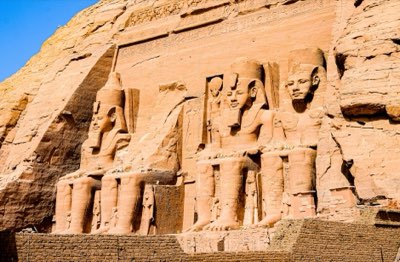
Solar motifs are ubiquitous in Egyptian tombs and temples. From the winged sun disk to the depictions of the scarab, the visual language of the journey is everywhere.
These reliefs and artifacts were not merely decorative; they were functional tools intended to facilitate the journey of the soul and ensure the deceased reached the destination of eternal existence.
The ultimate goal of the successful passage was to join the "imperishable stars" and the company of the gods. The sheer scale of religious devotion required to sustain such a complex and demanding belief system over thousands of years is visible in the massive monuments left behind.
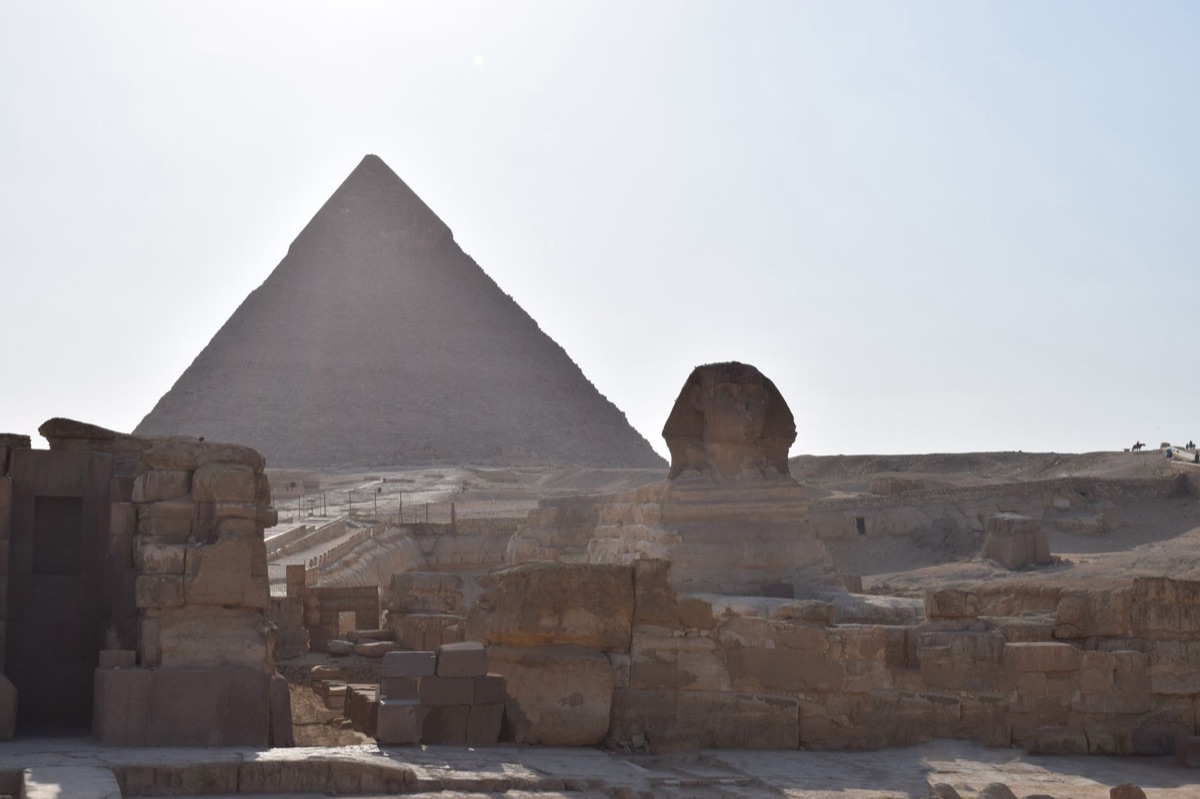
Every pyramid and every carved grain of sand was an attempt to anchor the soul to the eternal cycle of the sun.
#

Comments 0