Pharaohs Faith: Rulers' Divine Role Guide 30
"The spirit of the pharaoh was not merely a title of power, but a bridge between the earthly realm and the divine."
The meaning of the pharaoh's faith lies in their role as a central mediator between the gods and the people, ensuring cosmic order through ritual and governance. This guide explores how these ancient belief systems shaped Egyptian civilization and how travelers can engage with this legacy today.
Key takeaways include understanding the divine role of leadership, the significance of ancient necropolises, and the historical impact of tourism on preserving this heritage.
What did the Pharaoh's faith actually mean?
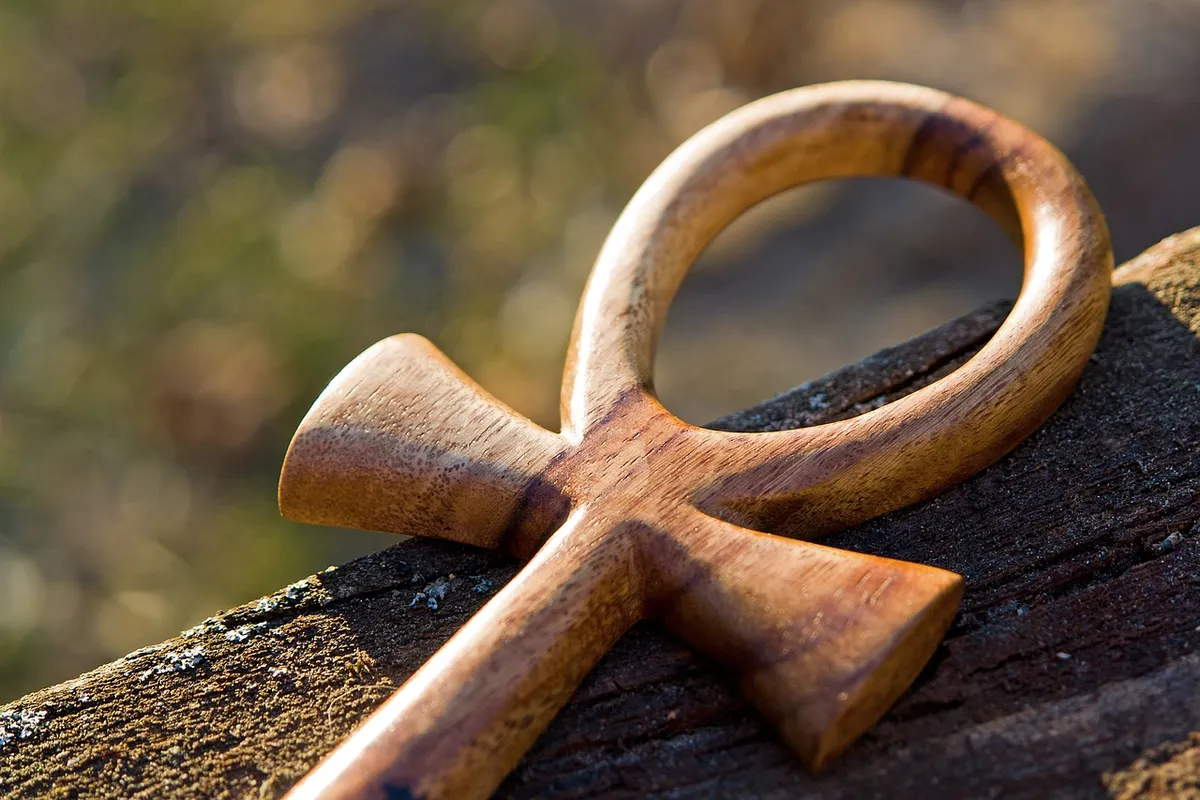
At dawn, I brush grit from a heavy stone plate in the museum hall, pondering how the pharaohs lived for their faith. An archeologist brushes dust from a limestone tablet in a quiet museum hall. The Pharaohs Faith Meaning was rooted in the ruler's duty to maintain Maat, or cosmic balance, through religious devotion. This divine connection justified their absolute authority over the Nile Valley.
These findings suggest that the pharaoh acted as a living vessel for divine will.
This role was essential for social cohesion and the successful management of the environment.
However, this interpretation may be limited when applying it to specific regional variations of worship.
How did Ancient Egyptian Beliefs shape the landscape? Pharaohs Faith Meaning
A traveler stands before the massive stones of the Great Sphinx in Giza. Ancient Egyptian Beliefs dictated the construction of monumental architecture to secure eternal life for the rulers. These structures served as physical manifestations of religious devotion and power.
The landscape of Egypt is marked by these sacred sites, such as the Great Pyramids of Giza and the temples in Giza, which date back to the 26th century BC. These monuments were not just tombs but centers of religious activity.
They reflect a civilization built upon the intersection of the sacred and the political.
This perspective does not apply to modern urban developments that ignore historical sacred sites.
Why did the Pharaoh's religious role matter in the necropolis? A visitor walks through the silent, sandy corridors of Saqqara. The Pharaoh Religious Role was deeply tied to the afterlife, necessitating vast burial grounds to house the deceased rulers. These necropolises were designed to facilitate the transition from the mortal world to the divine.
Saqqara serves as a vast, ancient burial ground that functioned as the necropolis for the ancient capital of Memphis. Such sites provided the necessary space for complex funerary rituals. The scale of these locations demonstrates the immense resources dedicated to honoring the divine kings.
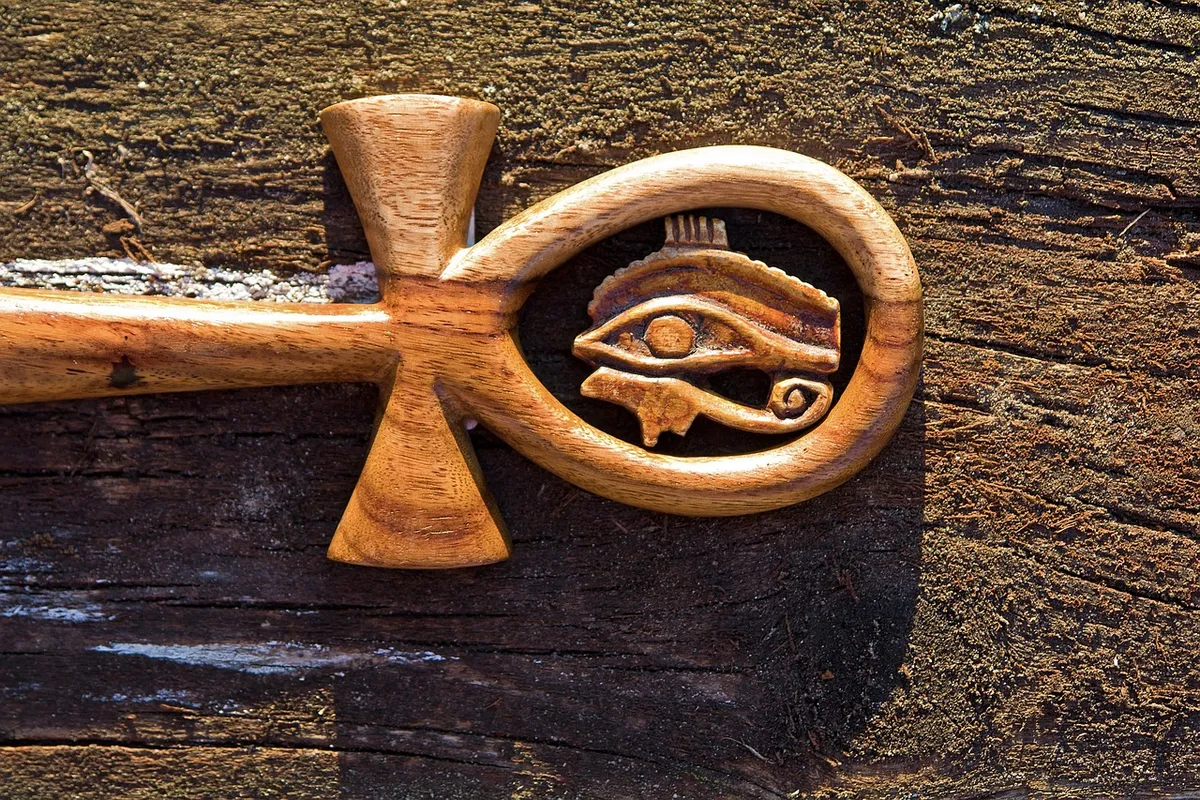
The significance remains subject to debate when analyzing different archaeological layers.
How does the Egypt Belief System impact modern tourism?
A tour guide gestures toward the towering columns of Luxor. The Egypt Belief System continues to drive global interest, making the country a premier destination for those seeking to understand antiquity. This fascination fuels a massive sector that connects the modern world to the past.
According to World Bank data, Egypt recorded international tourist arrivals of 13,026,000 in 2019.
The interest in the Egypt Belief System is reflected in the millions of visitors who travel to sites like Luxor, the location of the ancient city of Thebes. This constant influx of travelers supports the preservation of heritage.
Understanding these beliefs is a primary motivation for many who visit the Nile.
This impact is not as significant in areas where archaeological preservation takes precedence over visitor access.
Can we explore the Pharaohs Divine Link through travel?
A researcher examines a fragment of pottery in a quiet courtyard. An Egyptology Travel Guide often focuses on the connection between the ruler and the gods to explain the grandeur of the ruins. This divine link explains why such massive efforts were undertaken by ancient societies.
Exploring the Pharaohs Divine Link requires visiting diverse locations, from the Giza plateau to the southern reaches of Luxor. Each site offers a different perspective on how the divine was honored. Travelers can witness the scale of this devotion through the enduring stone monuments.
The connection remains abstract when travelers focus solely on aesthetic photography rather than historical context.
What are the practical steps for an Egyptology Travel Guide?
A traveler consults a map before heading out to the desert. Following an Egyptology Travel Guide involves careful planning to navigate the vastness of the historical sites. Proper preparation ensures a meaningful connection to the ancient world.
- Research the specific historical period of the sites you intend to visit to understand the local context. 2. Plan your itinerary to include major hubs like Cairo, Giza, Saqqara, and Luxor to see a variety of architectural styles. 3. Engage with local guides or museum resources to deepen your understanding of the religious nuances.
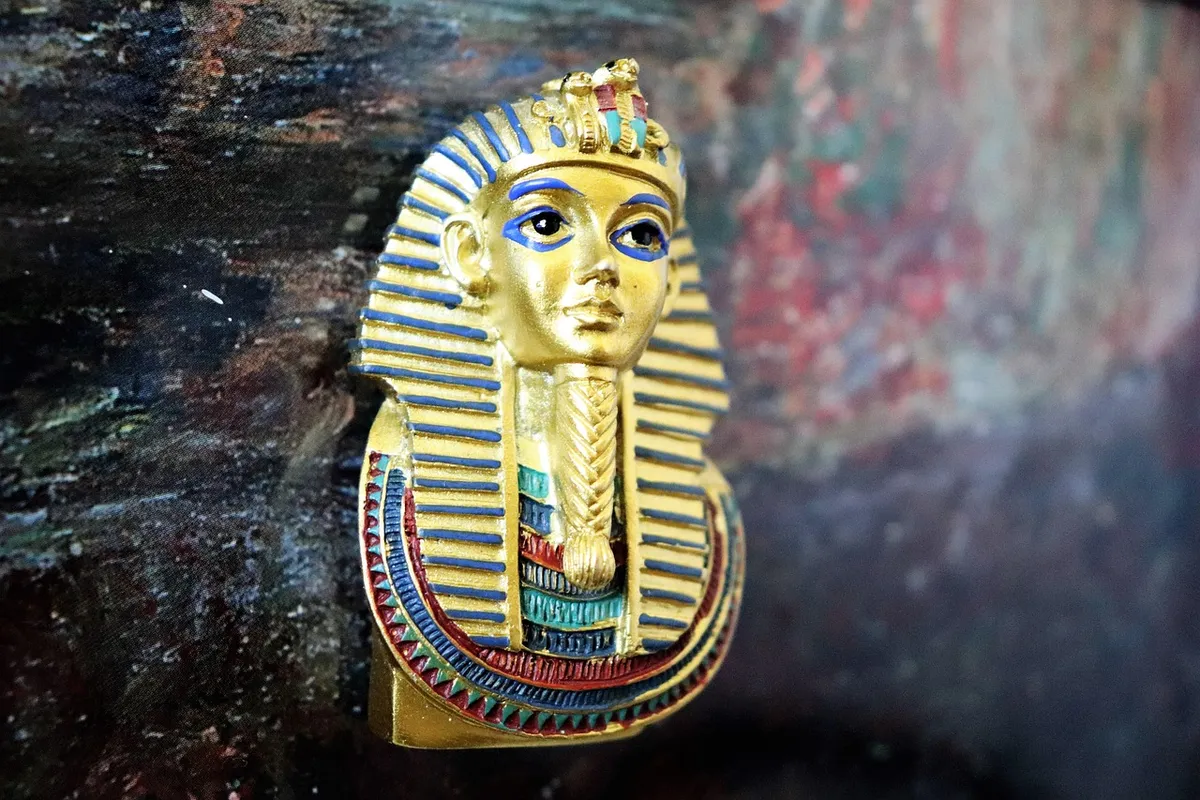
I once spent an entire afternoon comparing the scale of the pyramids to the smaller, intricate tombs in the necropolis to grasp the evolution of funerty practices. A final check of your travel documents and local requirements is essential before departing for these remote locations.
- Research the historical context of the site.
- Plan a route that follows the chronological development of the area.
- Prepare interpretive materials for visitors.
- In this sequence, the second step is the most extensive.
The same subject is also called Ancient Egypt Beliefs.
This part also covers Pharaohs Role in Society.
Related
- Ancient belief: Pharaoh faith and Ra rebirth for visitors
- Cairo lodging choice guide: Find the best fit for your trip
What cautions should modern visitors keep in mind?
Visitors must approach these sites with reverence, recognizing that they are sacred spaces central to the ancient Egyptian worldview. The scale of the monuments reflects a profound commitment to the afterlife, demanding a thoughtful acknowledgment of this ancient devotion.
Understanding the spirit of the pharaoh requires appreciating this initial religious commitment to cosmic order.
- Allow time to absorb the scale of the architectural undertakings, which mirrors the dedication to the divine role of the ruler. 2. Consider the funerary context when viewing the necropolis, as these sites were transitional spaces, not merely tombs. 3. Reflect on the journey from the earthly realm to the divine, mirroring the pharaoh's perceived journey.
How does the spirit of the pharaoh endure?
The spirit of the pharaoh persists through the enduring physical evidence left behind in the necropolis. These structures remain tangible links to the belief system that sustained the civilization.
The enduring presence of the spirit is evidenced by the meticulous planning invested in these burial complexes.



Comments 0