Ancient belief: Pharaoh faith and Ra rebirth for visitors
"The sun rises to claim the day, and the pharaohs prepare for an eternal journey through the heavens."
The history of Pharaoh faith and Ra rebirth is deeply tied to the cycles of the sun and the preservation of identity. This exploration examines how ancient beliefs shaped a civilization and how those historical legacies continue to influence modern tourism and national identity.

Key takeaways include the significance of royal transitions, the economic impact of heritage, and the connection between ancient burial sites and modern visitors.
How did Pharaoh faith and Ra rebirth shape history?
A researcher brushes dust off an ancient stone tablet in a quiet library, tracing the lines of a sun god's journey. The concept of Pharaoh faith and Ra rebirth provided a framework for understanding life, death, and the eternal cycle of the sun.
This belief system drove the construction of massive monuments and the complex rituals of the afterlife.
Ancient Egyptian religion was fundamentally built upon these cycles of renewal.
Understanding these traditions helps clarify why the pharaohs invested so heavily in monumental architecture.
What were the physical expressions of the sun god's journey?
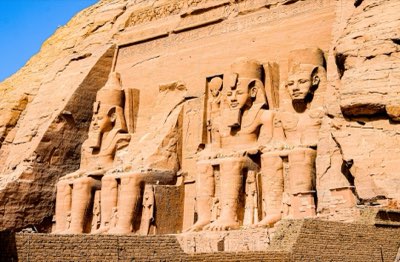
A traveler stands before the Great Sphinx in Giza, feeling the warmth of the sun on the desert sand. The landscape of Egypt is filled with physical remnants of the sun god's journey, specifically through the grand tombs and temples. These sites were designed to facilitate the transition of the soul.
Giza, located 20 km southwest of Cairo, contains several remains from the 26th century BC, including temples and monuments to pharaohs like the Great Sphinx and the Great Pyramids of Giza.
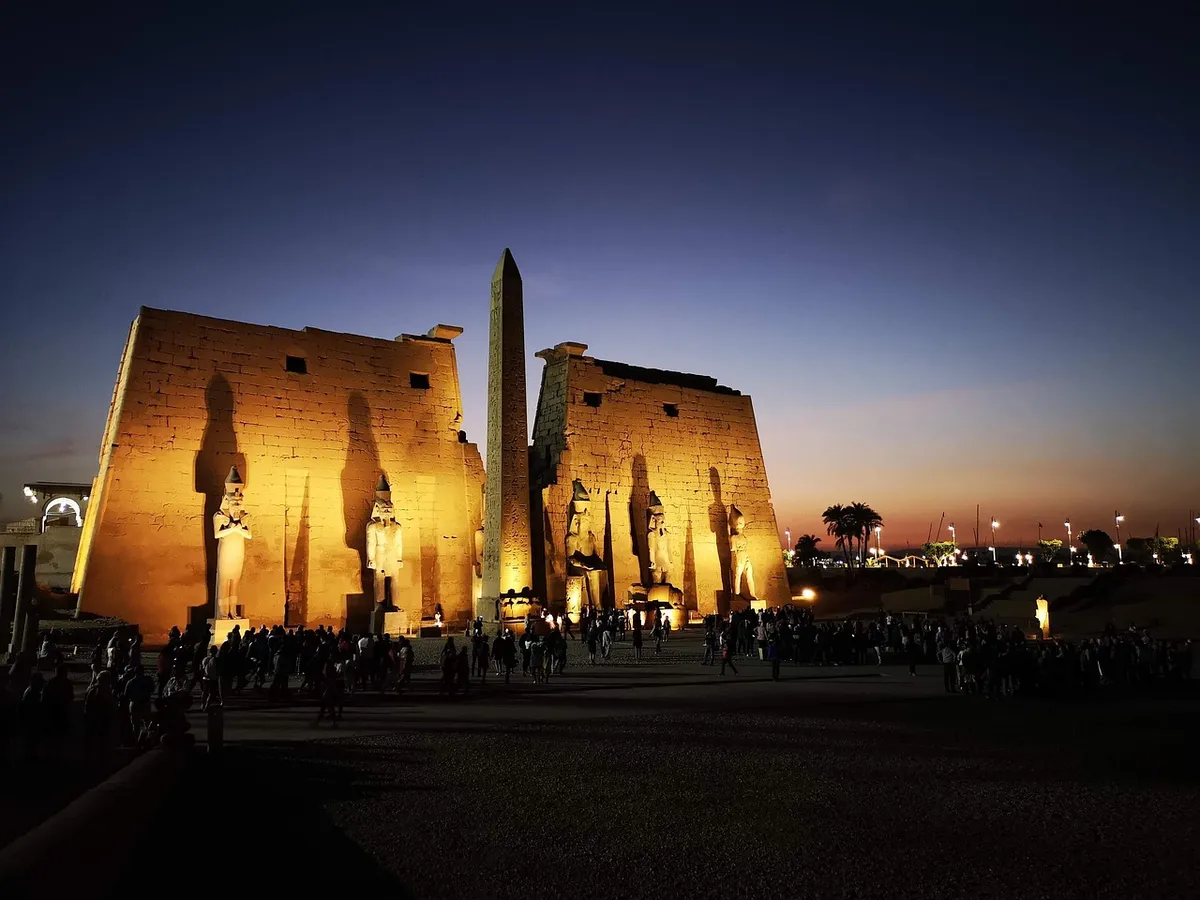
Similarly, Saqqara, 30 km south of Cairo, serves as a vast, ancient burial ground that acted as the necropolis for Memphis. In Luxor, about 500 km south of Cairo, visitors can explore the site of the ancient city of Thebes.
How does the legacy of the past impact modern tourism?
A tour guide points toward a distant pyramid as a group of tourists listens intently to the story of the kings. The legacy of the sun god's journey directly feeds the modern tourism sector, which remains a vital part of the national economy.
The historical weight of these sites attracts millions of people worldwide.
The scale of this interest is reflected in historical data. At its peak in 2010, the sector employed about 12% of the workforce of Egypt, serving approximately 14.7 million visitors and providing revenues of nearly $12.5 billion.
This economic contribution included more than 11% of GDP and 14.4% of foreign currency revenues.
What happens when historical shifts affect the economy?
A business owner looks at a ledger, noting the fluctuations in visitor numbers over the years. Shifts in political and social stability can cause significant changes in how people engage with historical sites. These fluctuations demonstrate the sensitivity of the tourism-driven economy.
During the Egyptian Revolution of 2011, the number of visitors plummeted by over 37 percent, falling from 14 million in 2010 to 9 million by the end of 2011. Such drops illustrate how much the economy relies on the steady flow of international interest.
How are royal legacies preserved and moved?
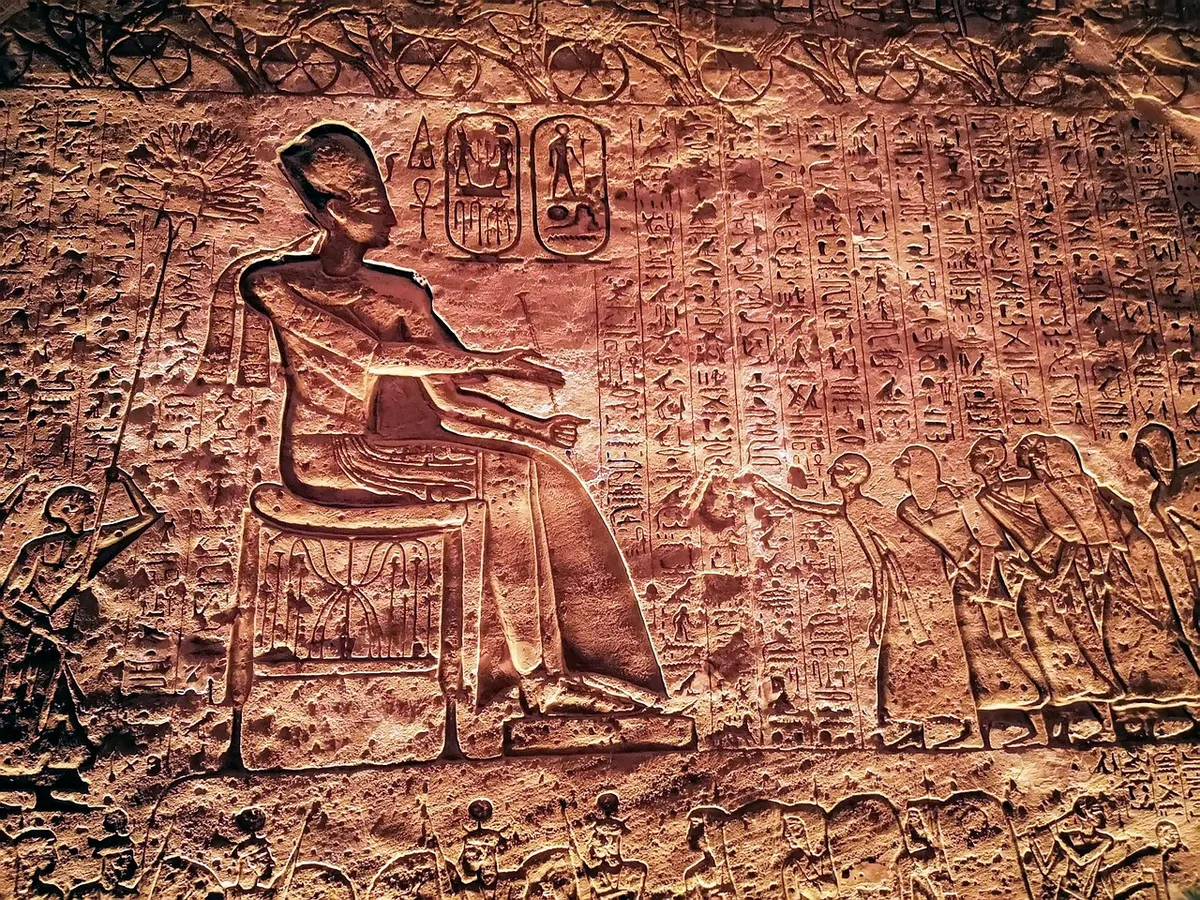
A museum curator carefully oversees the movement of a heavy, ornate sarcophagus through a secure hallway. Modern efforts to preserve the history of the sun god's journey often involve the careful relocation of artifacts to better-equipped facilities.
This ensures that the physical manifestations of faith remain protected.
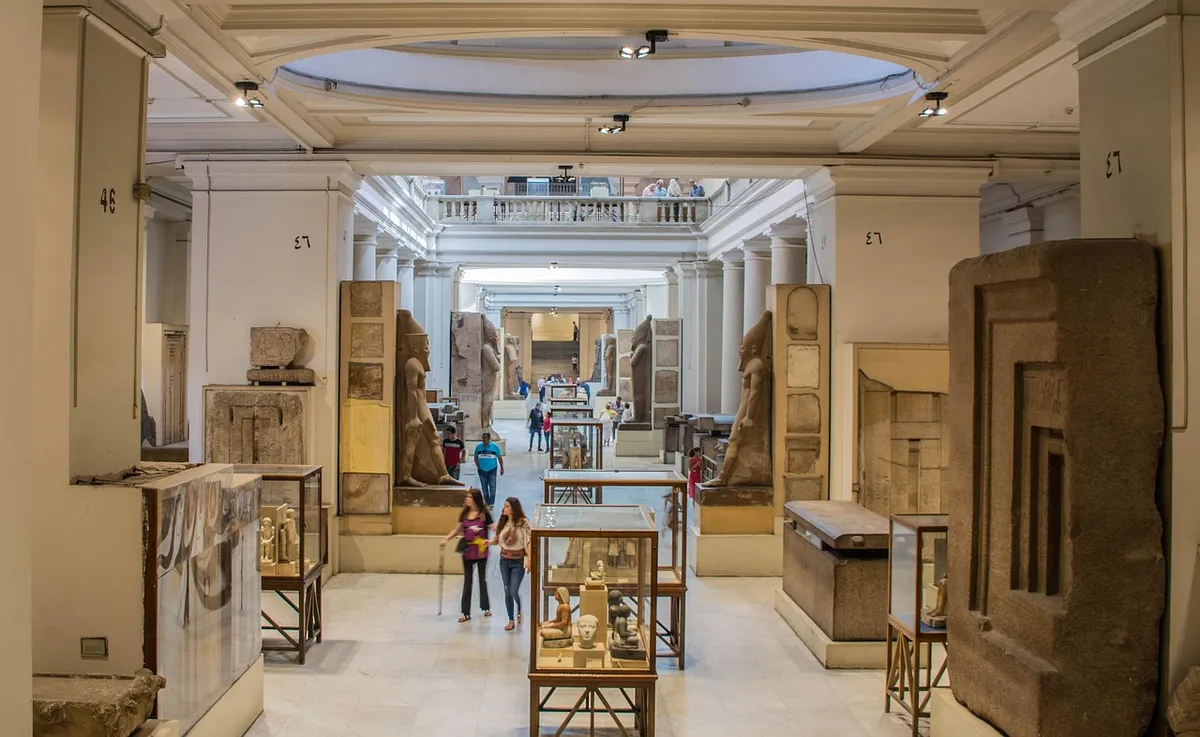
On 3 April 2021, 22 royal mummies (18 kings and 4 queens) were transferred from the Egyptian Museum to the National Museum of Egyptian Civilization in Fustat as part of the Pharaohs' Golden Parade. This event highlighted the enduring connection between the people and their royal ancestors.
What are the current economic indicators for the region?
An economist reviews a digital dashboard, tracking the growth and stability of the national GDP. While the historical interest remains constant, the economic reality of the country fluctuates based on global trends and local development.
According to World Bank data, Egypt recorded international tourist arrivals of 13,026,000 in 2019. Additionally, according to World Bank data, Egypt recorded a GDP per capita of US$3,086 in 2025. These figures provide a snapshot of the modern landscape shaped by the legacy of the past.
- How did Pharaoh faith and Ra rebirth shape history?
- What were the physical expressions of the sun god's journey?
- How does the legacy of the past impact modern tourism?
The same subject is also called Ancient Egyptian belief.
The same subject is also called Ra resurrection journey.
The same subject is also called Pharaoh religious history.
The same subject is also called Sun god rebirth cycle.
This part also covers History of Pharaoh worship.
Related
How do the ancient beliefs still rises to claim the day?
The enduring power of the pharaohs' belief system shows how ancient ideas continue to rises to claim the day. The cyclical view of existence, central to the ancient religion, mirrors the modern appreciation for these sites.
The belief in rebirth mirrors the modern cycle of international interest in Egypt.
This continuity between the spiritual journey and the modern economic reality underscores the depth of the cultural roots. The ancient rituals, once vital for the afterlife, now serve as powerful anchors for contemporary cultural tourism.
The sun rises to claim the day, just as the pharaohs believed in the daily rebirth of Ra, a concept that resonates with the modern visitor's journey through the tombs.
How does the modern visitor's journey echo the ancient belief?
The modern visitor's journey through the tombs mirrors the ancient belief in the sun god's daily rebirth, as the sun rises to claim the day. This continuity between the spiritual quest of the ancients and the modern traveler's experience highlights the enduring power of the sites.
The belief in cyclical renewal, central to the ancient religion, finds a modern parallel in the international interest in Egypt.
This echoes the original concept: the sun rises to claim the day, much like the pharaohs believed in the rebirth of Ra. The journey through the monuments, undertaken by the modern tourist, parallels the afterlife passage envisioned by the ancient Egyptians.
The belief in rebirth sustains the cultural resonance.
This echoes the initial idea that the sun rises to claim the day, providing a powerful metaphor for the civilization's view on existence. The enduring appeal of the sites lies in this shared acknowledgment of powerful, unending cycles.


Comments 0