Nile cruise guide: 3,086 vessel types tips
"The Nile flows through the heart of history, offering a passage between the sands of time and the monuments of the pharaohs."
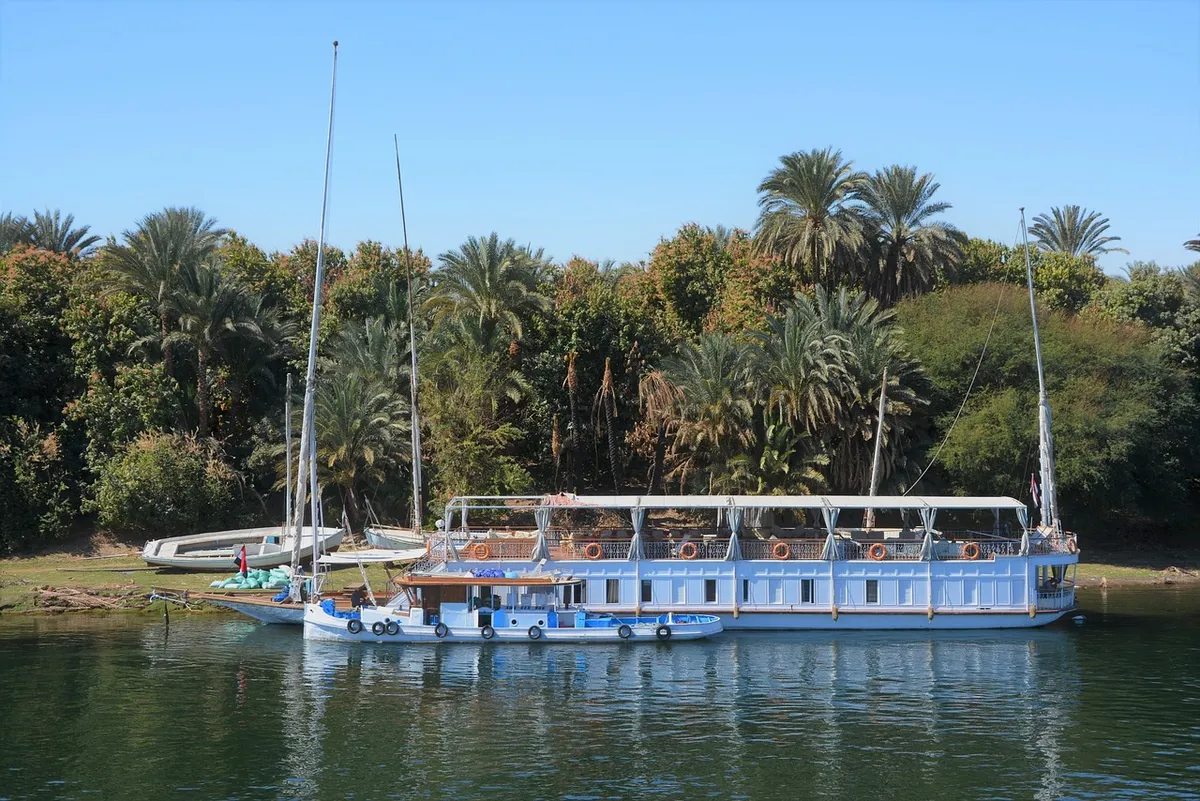
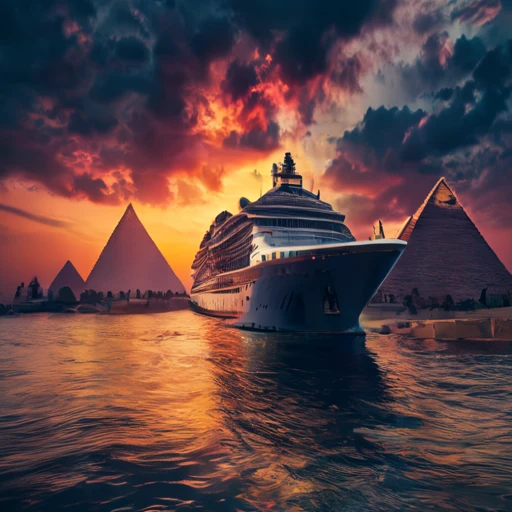
Choosing a Nile cruise ship involves balancing vessel size with the desire to see ancient landmarks like the Great Pyramids of Giza or the temples of Abu Simbel. Travelers must decide between larger ships with extensive amenities and smaller vessels that offer more intimate access to historic sites.
This guide compares cruise segments and vessel types to help you tailor your Egypt itinerary.
Key takeaways: * Understand how historical visitor fluctuations affect seasonal travel. * Compare major archaeological sites to determine the best cruise segments. * Evaluate vessel types based on luxury and accessibility.
Why does the Nile cruise ship choice matter so much?
At sunset, I grip the warm railing of the deck and realize how much my nile cruise ship choice will shape my view of the desert.
A traveler stands on a wooden deck, watching the golden sun dip behind the palms of the riverbank. Selecting the right vessel type determines how closely you experience the landscape and how easily you can transition from the deck to the ancient ruins.
The decision often hinges on the scale of the vessel and the specific route chosen. For those seeking a traditional atmosphere, smaller boats might feel more authentic, while larger ships provide modern comforts similar to luxury hotels.
A well-planned Nile cruise ship choice ensures that the transition from the river to the desert remains seamless.
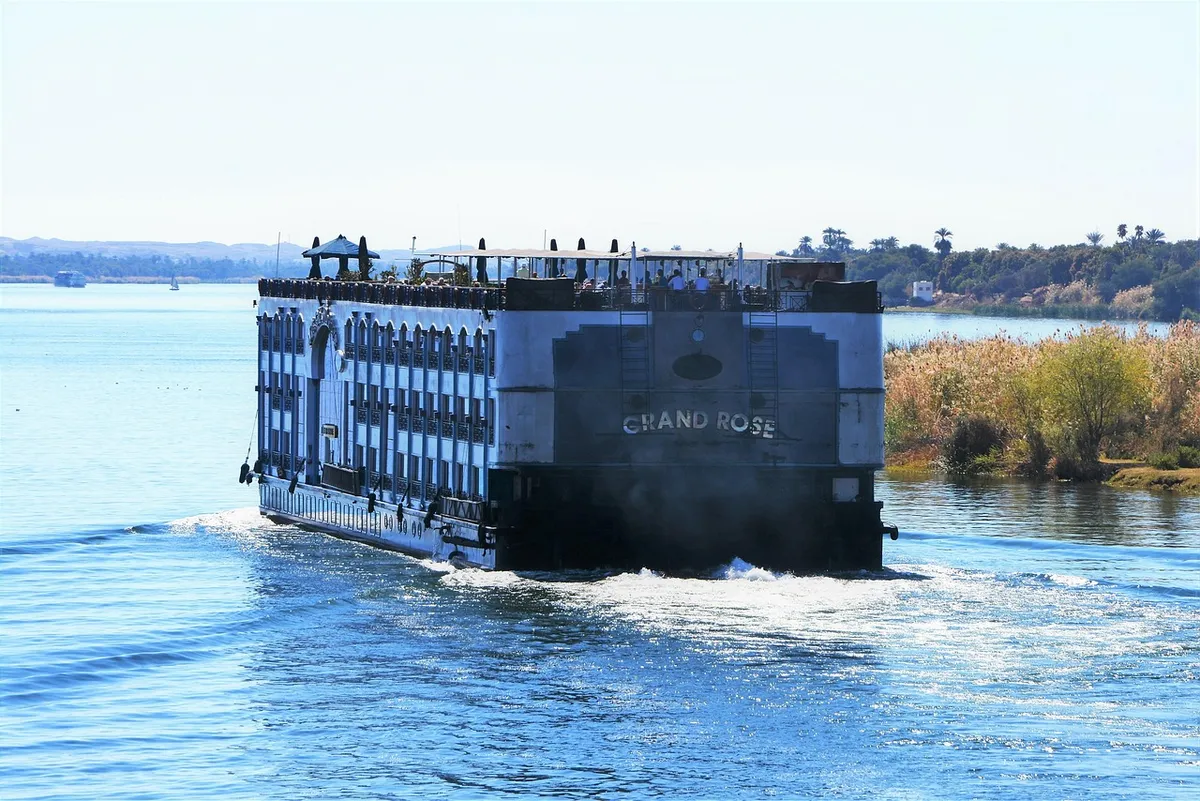
The scale of the vessel affects the docking experience at various historical sites. Large ships offer more amenities, while smaller vessels can navigate different stretches of the water more easily. This choice dictates the rhythm of the journey and the level of comfort available during the voyage.
The vessel you select serves as your floating hotel, directly impacting your comfort and daily views throughout the journey.
How do different Nile cruise vessel types compare?
A passenger walks through a wide, air-conditioned lobby, looking out at the vastness of the river through large glass windows. Comparing different vessel sizes helps travelers understand what kind of atmosphere they will encounter during their journey.
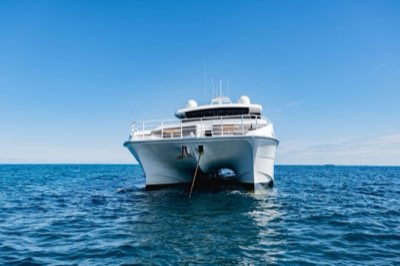
Different ship sizes offer distinct advantages depending on the traveler's priority. Large vessels often function as floating resorts with extensive dining and entertainment options. In contrast, smaller vessels might offer a more quiet and personal connection to the passing scenery.
| Feature | Large Vessels | Small Vessels |
|---|---|---|
| Amenities | High variety of facilities | Focused, intimate services |
| Accessibility | Primarily major ports | Can access smaller docks |
I once stood on a wide deck where the sheer size of the ship made the river feel like a vast, moving highway. Choosing between these options requires weighing the desire for luxury against the desire for intimacy.
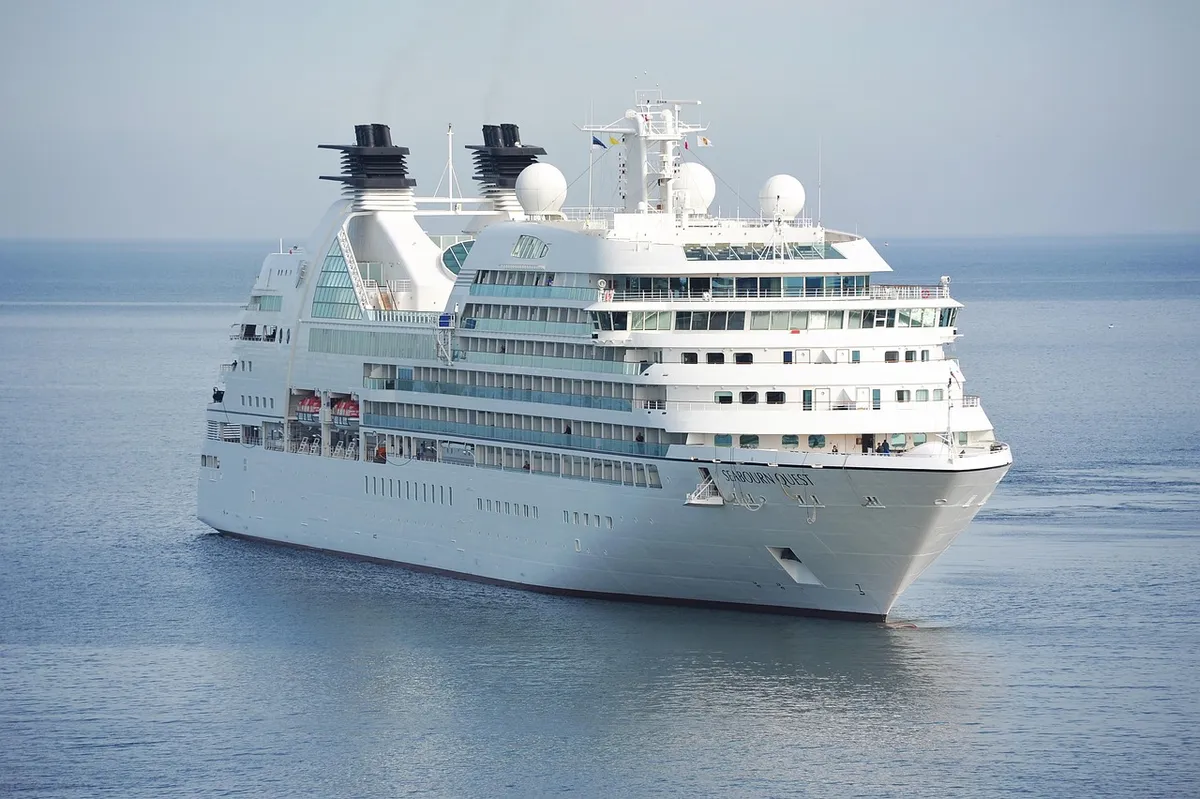
In this comparison, the second type is the most significant.
What are the pros and cons of different Egypt cruise segment options?
A traveler reviews a map, tracing the path from the northern ruins toward the southern temples. Understanding the geography of the river is essential for planning the perfect itinerary.
The route typically spans from Cairo toward the south, hitting major hubs like Luxor. Some travelers prefer a shorter cruise focused on the central Nile, while others want to reach the far reaches of the south.
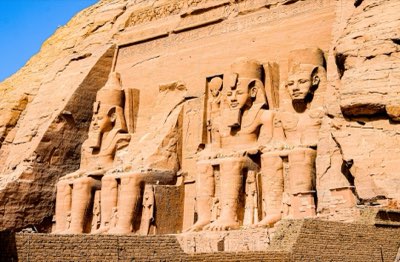
One segment might focus on the area around Luxor, the site of the ancient city of Thebes. Another might extend much further south toward Abu Simbel, which is about 850 km south of Cairo near the Egypt–Sudan border.
These massive rock temples were originally carved out of a mountainside during the reign of Pharaoh Ramesses II.
The pros of a longer segment include seeing more diverse sites, such as the massive temples near the border. However, the cons include longer travel times and more time spent on the water.
Choosing between different vessel classes allows you to balance luxury with budget constraints.
How can you begin an Ancient Egypt journey plan?
A traveler sits at a desk, sketching out a timeline of temples and monuments. Planning an expedition requires a clear understanding of the distances between historical landmarks. According to the United Nations World Tourism Organization, Egypt is one of the world's fast-growing tourist destination.
To build a successful itinerary, follow these three steps: 1. Identify the primary archaeological targets, such as the Great Sphinx in Giza or the necropolis at Saqqara. 2. Determine the starting and ending points, typically choosing between Cairo, Luxor, or Aswan. 3.
Select a vessel that matches the length of the planned route.
After selecting the route, perform a final check of the travel logistics. Ensure that the transit times between sites, such as the 500 km distance from Cairo to Luxor, are accounted for in the daily schedule.
- Determine your preferred travel dates.
- Select your preferred cruise vessel type.
- Finalize your initial itinerary.
What are the best ways for tailoring your Egypt itinerary?
A traveler looks at a guidebook, noting the vast distances between the northern necropolis and the southern temples. Effective planning requires balancing the desire for discovery with the reality of travel.
Tailoring your Egypt itinerary means matching your interests with the specific locations along the river. If you are interested in early history, you might focus on the 26th century BC remains near Giza. If you are interested in the peak of pharaonic power, you might prioritize the southern temples.
A well-tailored plan considers the transit between sites. For instance, traveling from the northern areas to the southern sites like Abu Simbel requires significant time. You must decide if you want to include these distant locations or stick to the central Nile.
Customizing your stops allows you to focus on specific historical eras or interests.
Related
- Hurghada vs Sharm: Your Red Sea Riviera Choice Guide
- Egyptian Museum Cairo: Witness the Boy King's Golden Legacy
What are the practical considerations for a successful journey? The Nile flows through the heart of history, and the journey itself becomes part of the archaeological experience. Careful consideration of the travel logistics ensures that the transition between sites is smooth and rewarding. Travelers should weigh the desire for luxurious amenities against the need for direct, unhurried access to the ancient wonders. According to The General Administration of Tourism, the General Administration of Tourism and Antiquities Police is responsible for ensuring the security of tourists, archaeological sites, museums, and cultural facilities in Egypt, operating under the Egyptian Ministry of Interior.
- Assess the logistical demands of the chosen route. 2. Correlate the vessel size with the intended pace of exploration. 3. Confirm that the chosen segment aligns with the traveler's primary historical interest.
For those whose primary goal is in-depth archaeology, a smaller vessel might prove advantageous because it allows for easier maneuvering in certain docking situations.
Conversely, a larger ship provides the necessary infrastructure to support a more luxurious, paced journey through the Egyptian landscape.
In this sequence, the second step is the most extensive.

Comments 0