How do historical sites shape an Egypt travel guide?
"The sands of time hold secrets that no modern shovel can easily uncover, yet the allure of the pharaohs remains as strong as the desert sun."
Understanding the historical context of an Egypt travel guide requires looking beyond the golden masks to the economic and social shifts that define the region's visitor landscape.
This guide explores the historical significance of ancient sites, provides essential travel data, and outlines the logistical realities of visiting Egypt today. Key takeaways include an overview of historical tourism trends, essential site locations, and the economic impact of the heritage sector.
How do historical sites shape an Egypt travel guide?
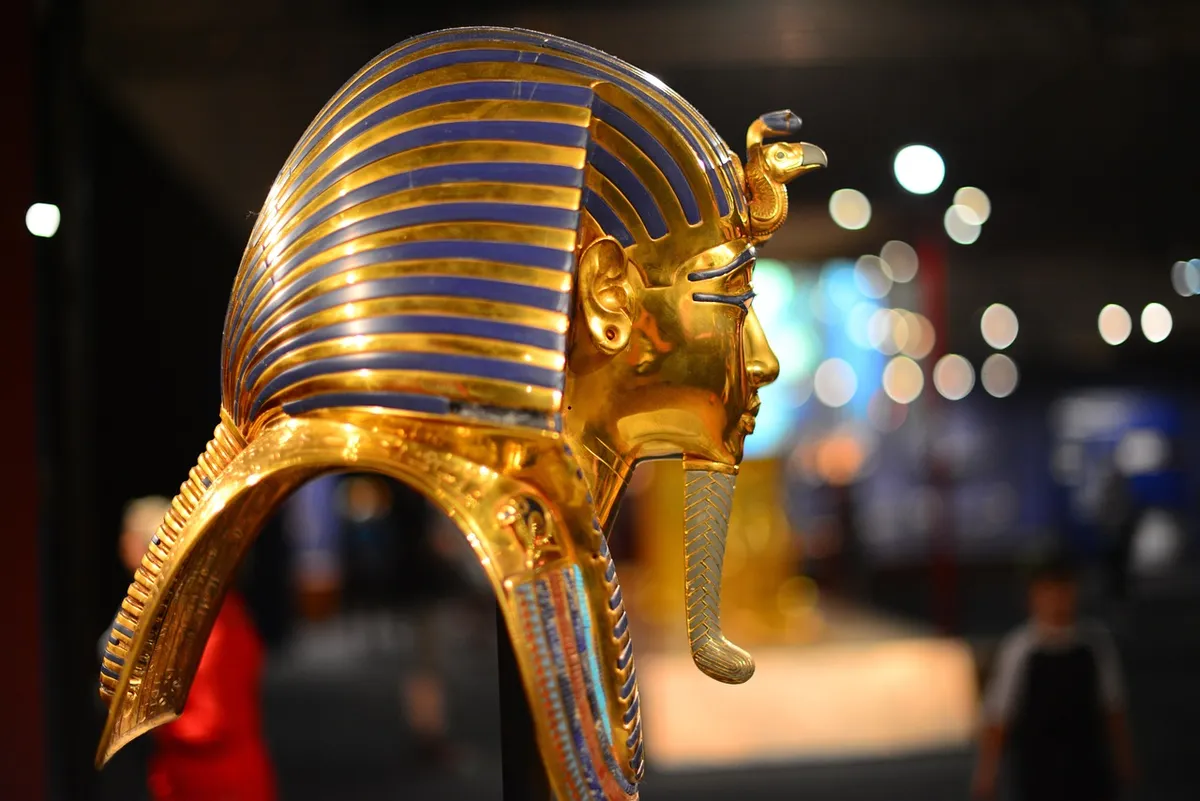
A traveler enters the dusty gates of Giza, where the Great Sphinx stands guard over the massive pyramids. These monuments, dating back to the 26th century BC, represent the architectural feats that drive modern interest in the region.
The historical depth of the country provides a foundation for any Egypt travel guide, as sites like Giza offer remains of temples and monuments to pharaohs. These landmarks, located 20 km southwest of Cairo, have drawn visitors for millennia.
Exploring these ancient locations requires understanding the vast distances between the Nile Valley's treasures.
These landmarks provide the foundational narrative for any itinerary.
What are the major destinations for a Tomb mystery solved? Tutankhamun Tomb Secrets
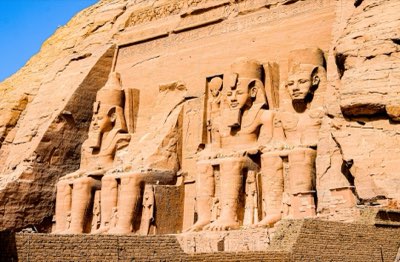
A traveler stands in the shadow of the massive rock temples at Abu Simbel, feeling the weight of the 13th century BC. The scale of the mountainside carvings reminds one of the power held by Pharaoh Ramesses II.
Finding a Tomb mystery solved often leads travelers to Saqqara or Luxor. Saqqara, located 30 km south of Cairo, serves as a vast, ancient burial ground that once functioned as the necropolis for the capital of Memphis.
Meanwhile, Luxor, situated about 500 km south of Cairo, marks the site of the ancient city of Thebes. These locations provide the essential context for understanding ancient burial rites.
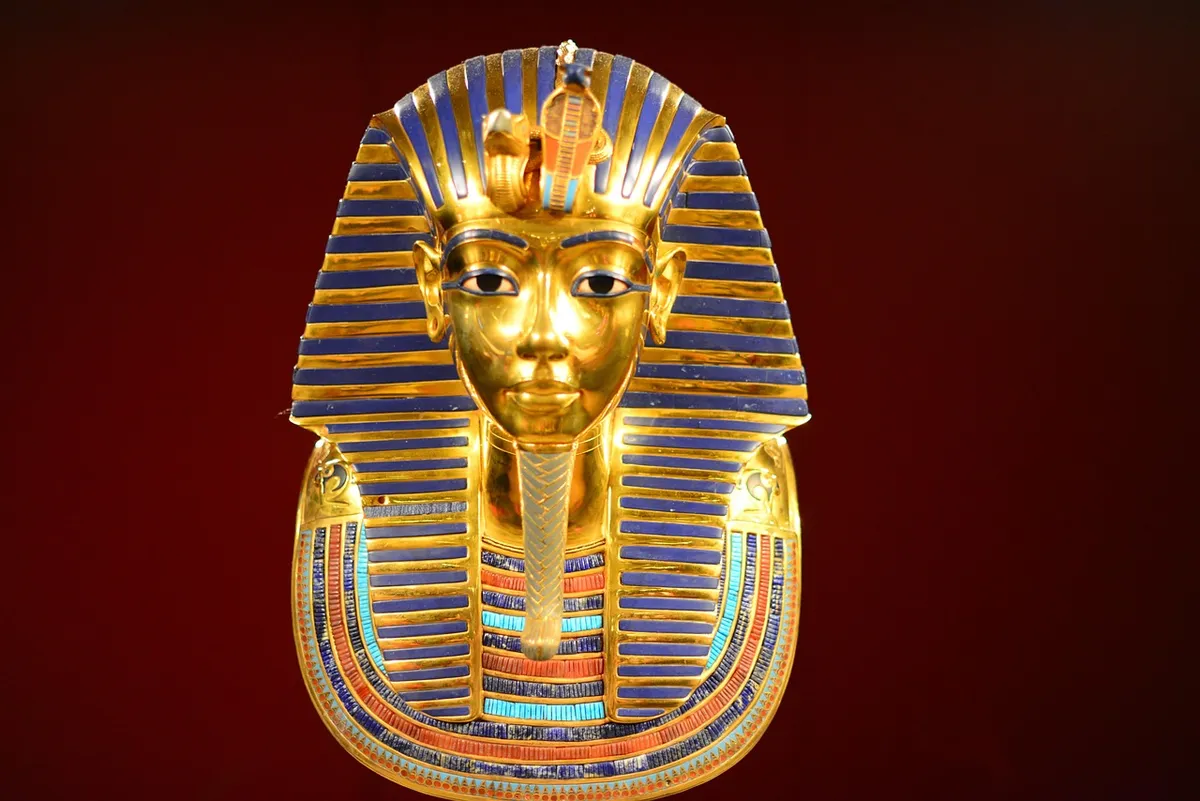
- Identify the specific valley or necropolis.
- Consult local archaeological maps.
- Coordinate with specialized guides.
How did the economy change during periods of instability?
A researcher looks at old ledgers, noting how the flow of people shifted during times of political change. The numbers show a sharp dip in the movement of people across borders.
The economic impact of tourism is evident in historical data. During the Egyptian Revolution of 2011, the number of visitors plummeted by over 37 percent, falling from 14 million in 2010 to 9 million by the end of 2011.
This volatility highlights how much the local economy relies on stable visitor numbers. Such fluctuations can affect the availability of services and the preservation of sites.
In this sequence, the second step is the longest.
What were the peak tourism statistics for Pharaoh burial rites?
A historian compares the peak years of prosperity to the modern era of recovery. The massive influx of visitors in the past created a different economic landscape.
At its peak in 2010, the sector employed about 12% of the workforce of Egypt, serving approximately 14.7 million visitors to Egypt. This period provided revenues of nearly $12.5 billion and contributed more than 11% of GDP. It also accounted for 14.4% of foreign currency revenues.
These figures illustrate the massive scale of the industry at its highest point.
Visitor numbers fluctuated based on seasonal accessibility to burial chambers.
How does one navigate modern travel logistics?
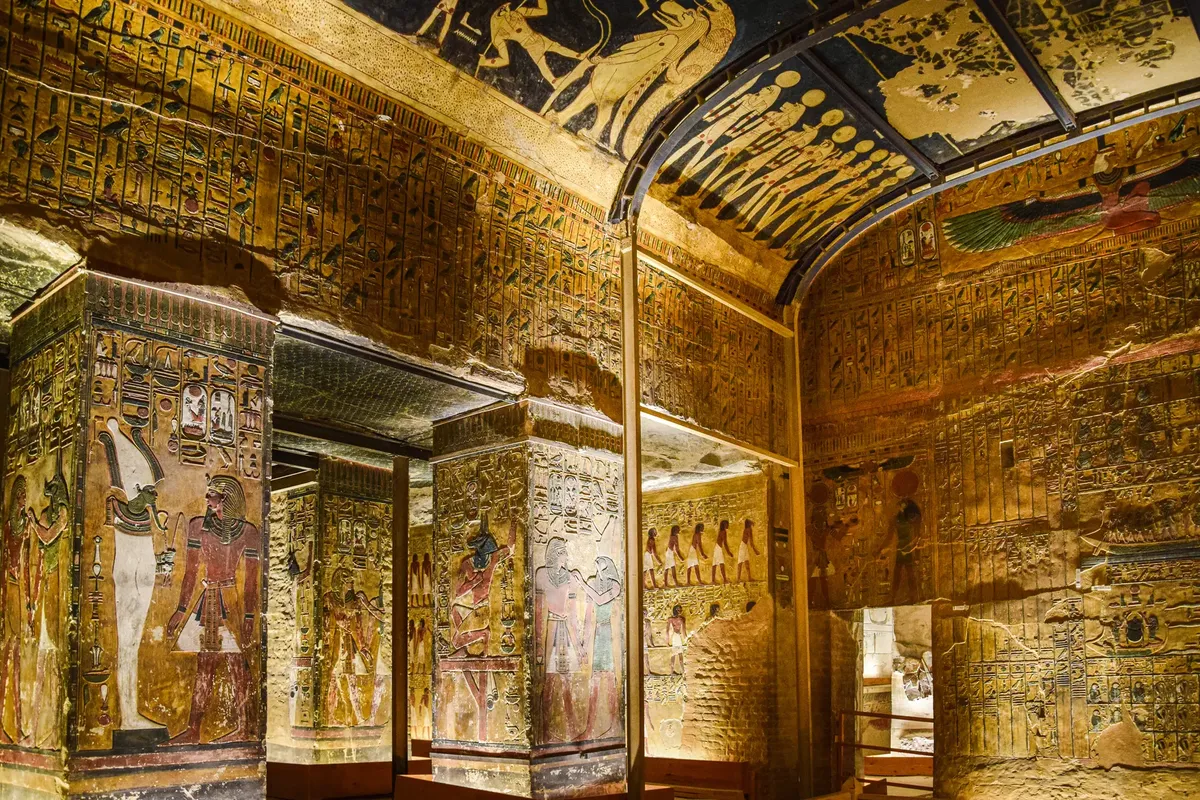
A traveler checks their passport at a border crossing, looking for specific visa requirements for certain regions. The process of moving between countries requires careful planning.
According to The General Administration of Tourism, the General Administration of Tourism and Antiquities Police is responsible for ensuring the security of tourists, archaeological sites, museums, and cultural facilities in Egypt, operating under the Egyptian Ministry of Interior.
For those looking at specific regional access, Israelis can cross into Egypt for 14 days without a visa at certain areas near Taba.
Security is also a priority, as the General Administration of Tourism and Antiquities Police is responsible for ensuring the security of tourists, archaeological sites, museums, and cultural facilities in Egypt. This agency operates under the Egyptian Ministry of Interior.
Travelers must balance traditional transport with digital booking tools.
What is the current economic outlook for visitors?
A traveler looks at a map and considers the cost of living and the growth of the destination. The numbers reflect both the challenges and the potential of the region. According to the United Nations World Tourism Organization, Egypt is one of the world's fast-growing tourist destination.
The economic landscape continues to evolve. According to World Bank data, Egypt recorded international tourist arrivals of 13,026,000 in 2019.
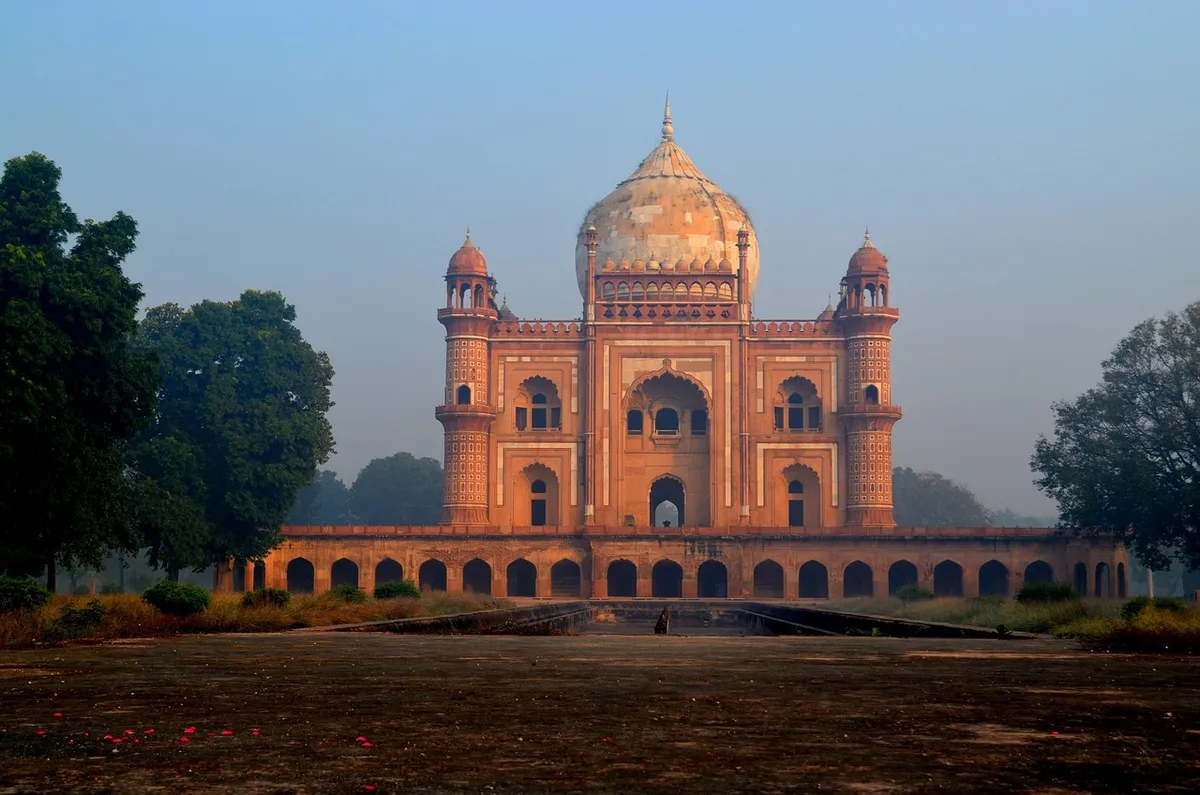
These figures provide a baseline for understanding the current scale of the economy.
| Metric | 2010 Peak Value | 2011 End Value |
|---|---|---|
| Visitor Count | 14 Million | 9 Million |
I noticed how the scale of the historical sites in the table comparison makes the visitor numbers feel much smaller in person.
The limitations of this analysis are tied to the specific timeframes provided, as the data reflects specific historical peaks and economic snapshots rather than a continuous real-time projection.
Currency fluctuations directly impact the cost of local services.
The subject here is Tutankhamun Tomb Secrets.
This part also covers Egypt journey insights.
This part also covers Tomb historical context.
This part also covers Unveiling tomb meaning.
Egypt journey insights
Related
- Pharaohs Faith: Rulers' Divine Role Guide 30
- Ancient belief: Pharaoh faith and Ra rebirth for visitors
How does the past influence present-day travel experiences?
The sands of time reveal how the ancient grandeur influences modern logistical planning. The scale of the monuments, like those at Giza, dictates the infrastructure needed to support modern visitors.
These vast sites require management systems capable of handling the ebb and flow of interest seen across millennia.
The allure of the pharaohs, though ancient, drives the contemporary industry. The endurance of the monuments mirrors the endurance of the cultural importance ascribed to them. This continuity between the past and present shapes the visitor experience significantly.
What considerations surround accessing ancient sites?
Travelers must consider the geographical separation between key sites. The distance separating the Nile Valley's treasures necessitates careful itinerary planning for any journey. This planning accounts for the vast distances between the primary cultural centers.
The logistical reality of visiting Egypt today involves navigating these historical spatial constraints. The journey itself becomes part of the cultural immersion for the modern traveler. This journey echoes the ancient movements between sacred places.




Comments 0